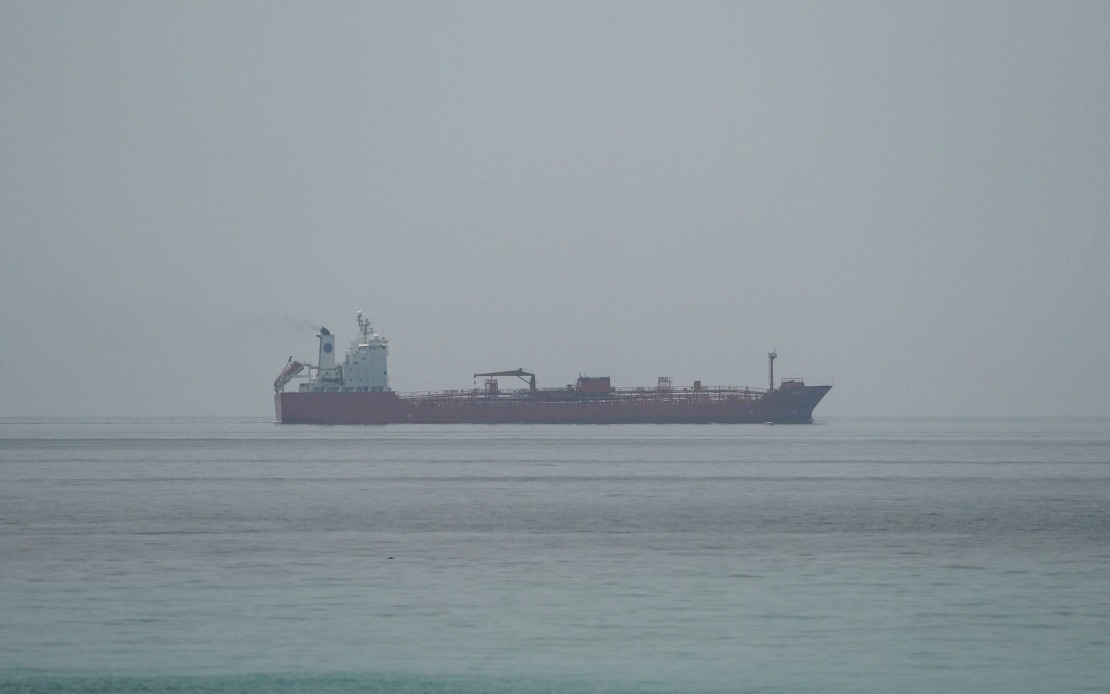
Oman has thrown its backing behind the recently concluded memorandum of understanding between the United States and Iran, with Foreign Minister Badr Albusaidi emphasizing that the agreement's success is vital to restoring regional peace and guaranteeing unobstructed shipping through the Strait of Hormuz. Speaking during a joint ministerial gathering held in Bahrain between the Gulf Cooperation Council and Washington, Albusaidi stressed that Oman's geographical position as a coastal guardian of the strait carries significant responsibility in championing international efforts aimed at securing maritime passage in accordance with established international law and the UN Convention on the Law of the Sea.
Central to Oman's position is an explicit commitment that any future arrangements governing transit through the strategically crucial waterway will not entail the collection of transit levies or fees. This reassurance carries substantial weight for global commerce, as the Strait of Hormuz serves as a bottleneck through which approximately one-fifth of the world's seaborne energy supplies must pass. By unequivocally affirming Muscat's dedication to preserving free passage, Oman has positioned itself as a reliable custodian of maritime stability in a region frequently roiled by geopolitical friction.
The Bahrain meeting forms part of an established pattern whereby the GCC and the United States maintain regular diplomatic channels addressing regional security architecture, political coordination mechanisms, and economic partnership initiatives. These consultations have grown increasingly significant as developments across West Asia continue to shape the strategic landscape affecting Gulf states and their international partners. The timing of this particular gathering reflects broader efforts to consolidate gains from newly concluded diplomatic arrangements and establish frameworks for sustained dialogue.
Context for the ministerial meeting stems from a period of acute regional volatility that escalated dramatically in late February when coordinated American and Israeli military operations targeted Iranian installations. These strikes precipitated Iranian retaliatory action against both Israel and allied nations hosting American military infrastructure, creating a dangerous cycle of escalation that threatened wider regional conflagration. The intensity of this exchange underscored the fragility of security arrangements in the Middle East and the constant risk of miscalculation among powerful actors with competing interests.
The breakthrough came when Iran and the United States negotiated a 14-point memorandum of understanding, with Pakistan playing a crucial mediation role that demonstrated Islamabad's continued relevance in regional diplomacy. The agreement gained formal effect on June 18 following electronic endorsement by Iranian President Masoud Pezeshkian and US President Donald Trump, marking a significant diplomatic achievement in an otherwise turbulent bilateral relationship. For Malaysian and Southeast Asian observers, this development carries implications extending beyond the Gulf, as stability in this region directly influences global energy prices, shipping routes affecting Asian markets, and the broader architecture of international relations.
The substantive components of the agreement address multiple dimensions of the Iran-US confrontation. Provisions encompassing cessation of hostilities across various regional theaters, including the Lebanese context, demonstrate the accord's ambition to address not merely bilateral disputes but the network of proxy conflicts and regional competitions that have sustained tensions. Additionally, the memorandum specifically addresses the reopening of the Strait of Hormuz and the removal of American naval blockade measures against Iran, both concrete steps toward normalizing maritime commerce and reducing the economic stranglehold that had characterized recent policy.
For Malaysia's maritime and energy-dependent economy, restoration of Hormuz stability carries direct significance. Disruptions to shipping through this corridor reverberate through supply chains, affecting manufacturing competitiveness and energy security across Southeast Asia. Oman's explicit guarantee against future transit fees provides reassurance to trading nations that the strait will remain a toll-free passage rather than evolving into a choke point subject to arbitrary levies or politicized restrictions. This commitment aligns with Malaysia's broader interests in maintaining rules-based international maritime order and freedom of navigation principles that underpin regional prosperity.
Oman's diplomatic positioning throughout this episode reflects the sultanate's distinctive role as a bridge-builder in Gulf geopolitics. Unlike certain GCC members whose security arrangements with Washington create structural antagonism toward Iran, Oman has cultivated relationships across the regional divide, avoiding entanglement in proxy conflicts while maintaining credible security partnerships. This balancing act has enabled Muscat to serve as an honest broker in crises, as demonstrated by its mediation efforts and its careful language emphasizing international law rather than bloc solidarity.
The emphasis on adhering to international maritime law and UN conventions in Albusaidi's remarks signals Oman's preference for rules-based approaches to regional challenges rather than unilateral assertions of power. This orientation carries significance for smaller maritime nations, including Malaysia, which depend on predictable international legal frameworks for protection rather than military capabilities. Oman's public commitment to these principles strengthens the normative environment supporting freedom of navigation and undermines arguments for imposing restrictions through technological or legal mechanisms that could disadvantage trading partners.
The agreement's sustainability will depend partly on implementation mechanisms and dispute-resolution procedures, areas where Oman's continued diplomatic engagement may prove valuable. The sultanate's historical experience in mediating between Iran and its Arab neighbors, combined with its trusted relationships across the region, positions Muscat to help manage inevitable tensions arising from any agreement's execution. For Malaysian policymakers monitoring regional developments, Oman's constructive role suggests that regional powers committed to de-escalation can effectively counterbalance actors seeking confrontation.
Looking forward, the stabilization of the Strait of Hormuz holds implications extending far beyond energy markets. Reduced military tensions create space for commercial partnerships, investment flows, and technological cooperation that can benefit all participants. Malaysia, as a significant trader and energy consumer, stands to gain from this trajectory, particularly if reduced regional instability encourages infrastructure investment and shipping efficiency improvements affecting Asian ports and supply chains. Oman's clear messaging on toll-free passage removes an additional variable from risk calculations affecting commercial decisions and investment planning.
The GCC-US ministerial consultation itself reflects efforts to reassure traditional American allies about Washington's security commitments while simultaneously creating diplomatic space for engagement with Iran. This balancing act mirrors challenges Malaysia faces in maintaining equidistant relationships with major powers while pursuing national interests. Oman's visible role in championing the Iran-US agreement while maintaining GCC membership demonstrates that Gulf states need not choose between security partnerships and pragmatic engagement with regional competitors, a lesson potentially relevant to Southeast Asian nations navigating similar pressures.
The coming months will reveal whether the Iran-US understanding translates into sustained de-escalation or becomes another false start in the region's troubled history of failed agreements. Oman's explicit guarantee regarding Hormuz passage serves as a measurable commitment against which progress can be assessed. For Malaysia and other regional trading nations, monitoring Oman's diplomatic initiatives and the actual implementation of maritime freedom assurances will provide crucial indicators of whether this accord represents a genuine inflection point toward stability or merely a tactical pause in ongoing regional competition.

