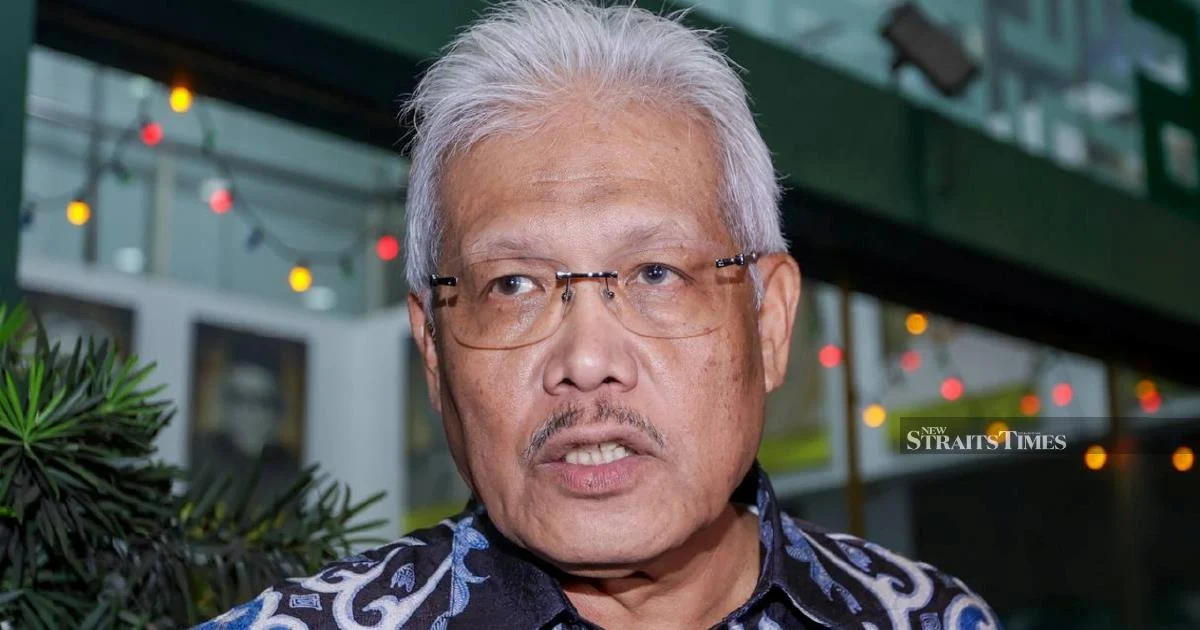
The Malaysian parliament will receive official notification of Datuk Seri Hamzah Zainudin's elevation to opposition leader before lawmakers reconvene for their next sitting. The announcement, made in Kota Baru, indicates that the administrative machinery for formally recognising the leadership change is progressing on schedule. This procedural step represents a key institutional formality required to legitimise the opposition's new directing force within parliament's framework.
The filing of formal notice with the Dewan Rakyat Speaker constitutes a necessary constitutional and parliamentary requirement. Under standing orders, such appointments must be officially communicated to the Speaker's office to ensure the legislative record reflects the current leadership structure of the opposition bloc. This notification serves not merely as administrative housekeeping but as the mechanism through which parliament's institutional systems formally recognise shifts in political authority. Without this formal communication, the Speaker's office cannot accurately reflect opposition representation in parliamentary records and procedures.
Hamzah Zainudin's appointment marks a significant development in Malaysia's opposition political landscape. His role as opposition leader carries substantial responsibilities, including leading opposition speakers during debates, coordinating parliamentary strategy, and representing the non-government coalition's interests during legislative proceedings. The position carries considerable influence over parliamentary dynamics and the framing of critical national issues debated on the Dewan Rakyat floor.
The timing of this notification ahead of the next parliamentary sitting suggests that leadership transition discussions have concluded and that the opposition coalition has formalised its decision. Parliamentary procedures necessitate such advance notice to allow the Speaker's office to prepare administrative arrangements, including seating protocols, speaker allocation for debates, and official communication channels between the opposition leadership and the parliamentary administration. This forward planning ensures that parliamentary operations proceed smoothly when members next convene.
For Malaysian political observers, this development underscores the ongoing reconfiguration within opposition ranks that has characterised recent months. Leadership transitions at this level typically indicate broader strategic assessments within opposition coalitions regarding electoral positioning, policy direction, and parliamentary effectiveness. The selection of Hamzah Zainudin reflects calculated decisions about representation and the qualities deemed necessary to lead the non-government coalition through coming parliamentary sessions.
The opposition leader's role in Malaysia's Westminster-derived parliamentary system carries institutional weight that extends beyond symbolic representation. Opposition leaders typically enjoy enhanced speaking rights, priority in parliamentary questioning, and influence over debate scheduling for non-government business. These practical advantages translate into greater platform for articulating alternative policy positions and challenging government legislative proposals. The formal notification therefore represents not merely administrative procedure but the crystallisation of operational advantages that accompany the position.
Parliamentary observers note that opposition leader appointments often precede periods of intensified legislative activity or upcoming parliamentary confrontations over significant legislative matters. The timing of this notification may signal anticipation of substantive parliamentary business requiring robust opposition scrutiny and organised challenge. Whether addressing government budgetary proposals, constitutional amendments, or policy legislation, a clearly designated and formally recognised opposition leader strengthens institutional oversight mechanisms.
Regionally, Malaysia's opposition dynamics receive attention from neighbouring Southeast Asian democracies monitoring how Westminster-styled parliaments manage power transitions and leadership changes. The procedural certainty with which Malaysian institutions handle such transitions—through formal notification and standardised protocols—reflects institutional maturity. This contrasts sharply with political systems where leadership transitions occur amid institutional ambiguity or procedural uncertainty.
The notification requirement also protects minority rights inherent in parliamentary democracy. By formally recognising opposition leadership, the institution ensures that non-government voices maintain structured access to parliamentary platforms regardless of government majority size. This procedural protection proves particularly important when electoral mathematics grant government coalitions overwhelming parliamentary majorities, as formalised opposition leadership channels ensure meaningful scrutiny mechanisms persist.
Looking forward, Hamzah Zainudin's formal assumption of the opposition leader role will shape parliamentary discourse patterns through successive legislative sessions. His leadership approach, debating strategies, and issue prioritisation will influence which government initiatives face organised challenge and how opposition policy alternatives receive articulation on the parliamentary record. The notification lodged with the Speaker's office therefore initiates a new chapter in opposition parliamentary engagement and institutional influence.

