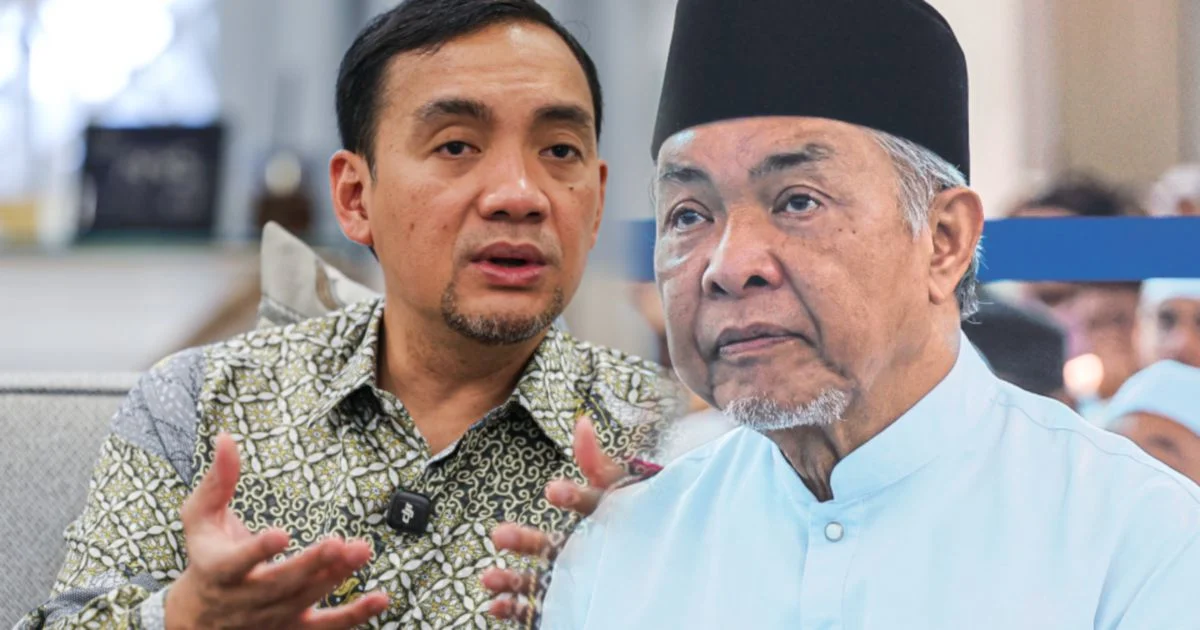
Deputy Prime Minister Datuk Seri Zahid Hamzah has moved to quash mounting speculation surrounding campaign restrictions on caretaker Johor Menteri Besar Datuk Onn Hafiz Ghazi, explicitly denying that any official directive prevents the prominent politician from accessing Felda settlements across the state. The clarification comes as political tensions simmer in Johor ahead of the state election, with various factions within the ruling coalition appearing to maintain separate campaign strategies that have sparked questions about coordination and unity.
Zahid's statement represents an attempt to normalize relations within Umno's leadership hierarchy following weeks of speculation about divisions between different power centres. The caretaker Menteri Besar, who has served as Johor's chief executive since 2022 and represents the royal-backed faction within the party, has maintained a visible presence across the state despite occasional friction with national party leadership. Felda settlements, which encompass substantial populations across Johor and represent important voting blocs during elections, have historically served as battlegrounds where different political narratives compete for grassroots support.
The controversy highlights the intricate dynamics within Malaysia's largest opposition-turned-ruling party as it navigates the complexities of managing multiple power structures simultaneously. Umno has long struggled to reconcile the interests of federal-level leadership with state-level administrations, particularly in prosperous states like Johor where local leaders command independent political capital and support networks. Onn Hafiz's ability to operate independently while maintaining Umno's state administration has periodically attracted scrutiny from federal party structures, though party officials typically emphasize unity during electoral campaigns.
Felda areas represent critical constituencies in Johor's political landscape, with thousands of settler families whose votes can determine marginal seat outcomes. These communities often respond to direct engagement and face-to-face interaction with political leaders, making access to these areas strategically important during campaign periods. The presence or absence of key political figures in Felda settlements consequently generates significant media attention and grassroots gossip, particularly when informal networks begin circulating suggestions that certain leaders have been sidelined or restricted.
Zahid's denial appears designed to forestall further speculation that might undermine campaign cohesion at a critical moment when Umno and its coalition partners require maximum mobilization across all voter categories. By explicitly confirming Onn Hafiz's unobstructed access to Felda settlements, the deputy prime minister signals that no factional disputes have escalated to the point of imposing formal restrictions on political movement. This reassurance holds significance because perceptions of divisions within Umno frequently damage the party's electoral performance, particularly among rural and semi-rural voters who prize party unity as a sign of effective governance.
The timing of Zahid's statement reflects broader concerns within the coalition about maintaining a unified electoral message across Johor. The state election represents a significant test for Umno's governing legitimacy following the 2022 party elections, which resulted in the election of Ahmad Zahid as party president amid internal divisions. Johor remains crucial to Umno's political survival because the state has consistently delivered substantial parliamentary and state assembly representation that anchors the party's presence in parliament. Any perception that Johor's leadership operates under constraints or lacks full party support could signal weakness that opposition parties might exploit during campaigning.
Onn Hafiz's profile as a younger-generation Umno leader who maintains connections with royal institutions has sometimes generated speculation about his political trajectory and potential positioning within party structures. His ability to maintain administrative efficiency in Johor while navigating complex relationships with federal party leadership demonstrates political sophistication, though this juggling act occasionally produces rumors about potential friction. The caretaker Menteri Besar's background and political approach represent a particular faction within Umno that emphasizes good governance and state-level development initiatives, occasionally creating perceptions of distance from federal-level power structures.
Felda's particular significance in Malaysian politics extends beyond simple vote counts. The Federal Land Development Authority represents the government's historical commitment to rural development and settler welfare, embodying post-independence development philosophy that remains symbolically important to rural communities. Politicians who maintain strong relationships with Felda areas often position themselves as advocates for rural interests, while those perceived as neglecting these settlements face criticism as disconnected from ordinary Malaysians' concerns. This symbolic dimension means that questions about a leader's access to Felda areas carry political weight exceeding the practical implications.
The coalition's emphasis on reassuring supporters that no restrictions exist on Onn Hafiz suggests that rumors had gained sufficient traction to warrant an official response. In Malaysian political culture, such denials often become necessary when informal networks begin spreading stories that, if left unaddressed, might calcify into accepted narratives affecting campaign dynamics and voter behavior. Zahid's intervention represents standard crisis communication management aimed at preventing speculation from undermining campaign momentum.
Moving forward, this clarification should facilitate Onn Hafiz's campaign activities across all Johor constituencies without the complication of addressing speculation about restrictions. However, the incident also illuminates the ongoing management challenges that Umno faces in coordinating multiple power centers and maintaining unified electoral messaging. As the Johor state election approaches, the party's ability to present a coherent leadership vision while accommodating different factional interests will significantly influence electoral outcomes and shape the political landscape across peninsular Malaysia's most economically significant state.

