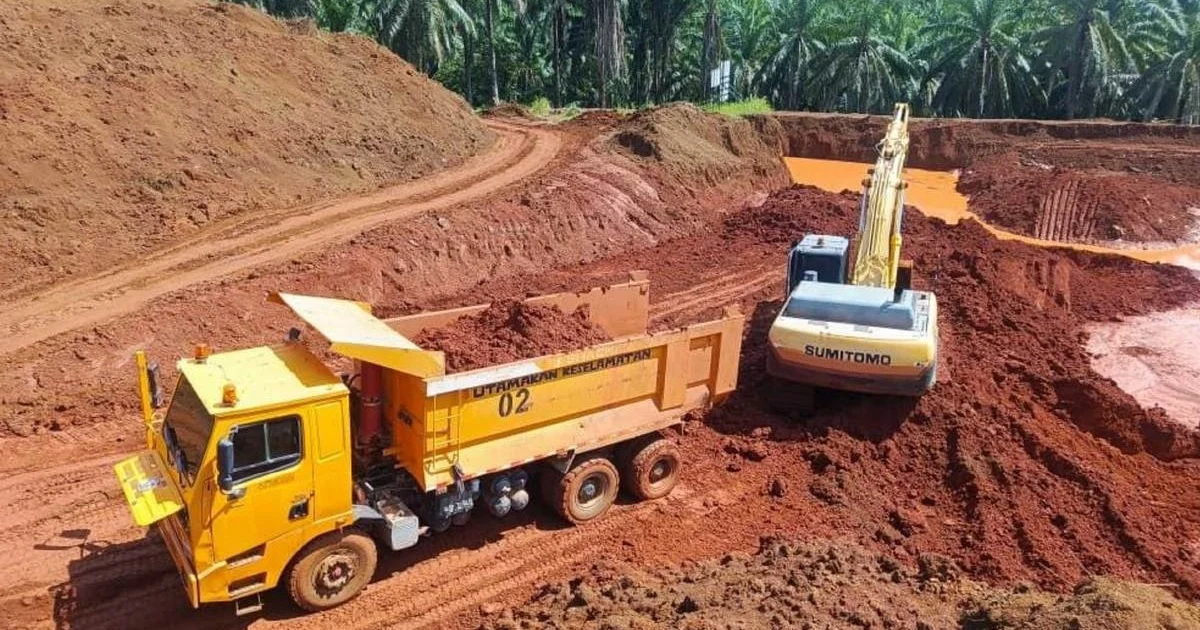
A coordinated enforcement operation in Kuantan has dismantled an illegal bauxite mining operation, resulting in the arrests of nine suspects and the seizure of equipment and extracted material collectively worth RM3.75 million. The raid, conducted at a Felda plantation in Bukit Goh, represents a significant enforcement action against illicit mining activities that have plagued parts of Pahang in recent years.
The operation recovered approximately 10,000 tonnes of bauxite-bearing soil that had been extracted and stockpiled at the site. Authorities also confiscated an array of heavy machinery used in the mining process, along with multiple lorries that would have transported the extracted material to buyers. The combined value of seized assets underscores the scale and commercial nature of the illegal operation, suggesting a sophisticated network rather than opportunistic extraction.
Bauxite mining has emerged as a major concern across several Malaysian states, particularly in Pahang and Perak, where the mineral's strategic importance as a raw material for aluminium production has attracted both legal and illegal operators. The Felda plantation location is particularly significant, as such agricultural land falls under specific regulatory frameworks designed to protect smallholder livelihoods and environmental integrity. Unauthorised mining on Felda land represents a direct breach of these protections and creates complications for legitimate agricultural activities on adjacent parcels.
The scale of the haul recovered—equivalent to dozens of large truck loads—indicates that this operation had been functioning for a considerable period before detection. Enforcement agencies typically discover such operations through tip-offs, ground surveillance, or heightened patrols in known mining hotspots. The sophistication of equipment confiscated suggests operators had invested substantial capital, indicating either a well-funded criminal enterprise or connections to larger smuggling networks that profit from unregulated mineral extraction.
Illegal bauxite mining has become increasingly entangled with broader concerns about environmental degradation, tax evasion, and organised crime in Malaysia. When extracted through unauthorised channels, bauxite mining bypasses environmental impact assessments, tax obligations, and safety regulations. The Felda site's location means that improper mining practices pose risks not only to the landscape but also to the economic viability of smallholder farming operations that depend on soil quality and water resources.
The arrest of nine individuals provides law enforcement with opportunities to trace supply chains and identify buyers of illegally extracted material. Malaysian authorities have repeatedly emphasised that combating illegal mining requires action across the entire value chain—from extraction sites through to processing facilities and export terminals. Understanding who purchased material from this operation could lead to additional investigations and disruptions to broader smuggling networks.
Enforcement efforts against illegal bauxite mining have intensified following international scrutiny and domestic concerns about environmental standards. Malaysia's commitment to transparency and compliance with global standards has translated into more rigorous inspections and tighter coordination between state and federal enforcement agencies. The Kuantan operation reflects this enhanced vigilance and represents one of numerous actions undertaken to clamp down on unlicensed extraction.
For Malaysian consumers and legitimate mining operators, enforcement actions like this one are essential to maintaining market integrity and ensuring that domestic bauxite production adheres to legal and environmental standards. Illegal mining distorts market prices, undercutting legitimate producers and creating unfair competitive conditions. Companies operating within regulatory frameworks face higher compliance costs, making them vulnerable to underpricing by operators who ignore safety and environmental requirements.
The seizure of heavy machinery and lorries represents a significant blow to operational capability. Replacing such equipment requires substantial investment, and the confiscation of these assets directly impairs the ability to restart operations at the same site or relocate to alternative locations. This disruption, combined with criminal prosecution of those arrested, is designed to make illegal mining a costly and risky venture.
The case also highlights the ongoing challenge of monitoring vast tracts of land where mining activity can occur with relative concealment. Felda plantations, while extensively developed, cover large areas and may not have continuous surveillance infrastructure. Balancing agricultural development with effective enforcement remains a persistent tension, particularly when limited resources must be stretched across multiple states and diverse terrain.
Authorities have not yet disclosed details regarding the specific charges that may be filed against the nine arrested individuals, though Malaysian mining and environmental legislation provides several avenues for prosecution. Potential charges could include unlicensed mining operations, theft of state resources, environmental crimes, or offences under the Minerals Development Act and associated state regulations.
As investigations proceed, the focus will shift to determining the destination of previously extracted and sold material. Authorities in neighbouring countries and major aluminium processing hubs will be consulted to identify potential buyers and trace the commercial networks that profited from illegal extraction. Such transnational dimensions are common in Malaysian mineral crime, where porous borders and established smuggling routes facilitate movement of contraband to regional buyers.
The Kuantan operation demonstrates that sustained enforcement, combined with intelligence gathering and inter-agency coordination, can yield substantial results in disrupting illegal mining networks. For Pahang residents and legitimate stakeholders in the mining sector, the message is clear: authorities are committed to protecting both environmental integrity and lawful commercial interests from exploitation by criminal operators seeking quick profits at the expense of public welfare.

