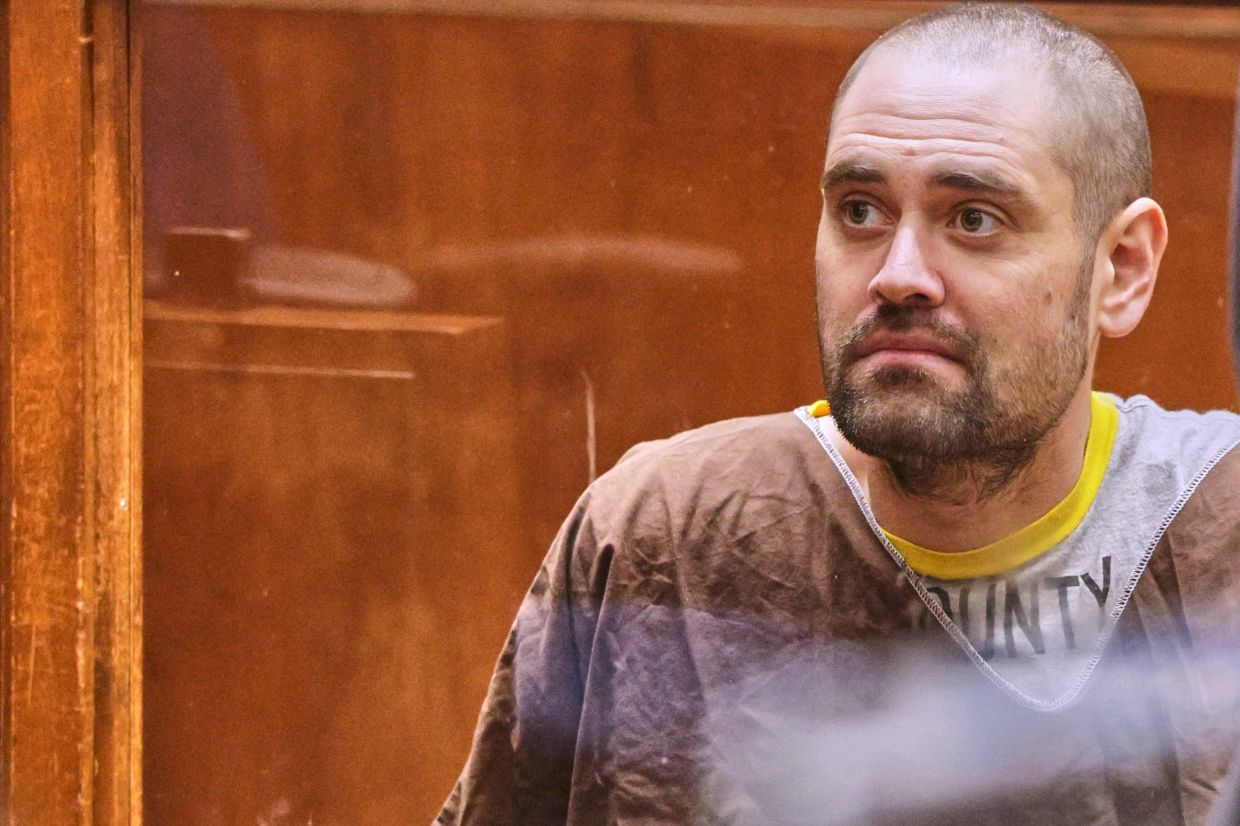
The 32-year-old son of acclaimed Hollywood director Rob Reiner has filed a legal petition to unlock money from a family trust, arguing he needs the funds to mount a proper defence against charges that he murdered his parents. Nick Reiner's civil attorneys submitted the petition to Los Angeles County court this week, contending that trustees have wrongfully withheld the money without legitimate legal cause. The case highlights the collision between family obligations and the presumption of innocence in one of California's most scrutinised criminal proceedings.
Rob Reiner, the legendary filmmaker behind iconic films of the 1980s and 1990s, and his wife Michele Singer Reiner, a photographer and producer, were fatally stabbed in their Brentwood home on December 14. Nick Reiner was apprehended hours after the attack and has since entered a not guilty plea to two counts of murder. He currently faces the possibility of capital punishment, though prosecutors have not yet decided whether to pursue that option.
The petition characterises Nick Reiner's situation as straightforward: he is entitled to money under clear terms established by his parents, and those funds should be released regardless of the criminal accusations he faces. The document states that "Nick loved his parents, and he is devastated by their deaths," while emphasising that the trust dispute is separate from questions about culpability in their deaths. It invokes the fundamental legal principle that the accused deserve access to resources necessary for mounting a credible defence.
Rob and Michele Reiner established individual trusts for each of their three children, distinct from a larger family trust. Nick Reiner's trust was set up in 1993 with explicit instructions that he receive half the funds upon turning 30 and the remainder at 35. According to the petition, he never collected the money due at 30, and the current trustee, attorney Paul R. Kanin, has repeatedly refused to release the funds, offering what the filing describes as "a shifting series of excuses and justifications." The trust contains at least 1.5 million dollars in assets, though Kanin has declined to disclose the precise valuation.
The case has already created deep fissures within the Reiner family. Nick Reiner initially retained prominent defence attorney Alan Jackson, with his siblings Jake and Romy agreeing to fund the representation. However, the siblings reversed their position within weeks, and Jackson departed the case without providing reasons he could publicly discuss. Jackson subsequently declared in a court statement that he stood "ready, willing, and able" to resume representation should the trust funds become available, signalling the financial barrier preventing his continued involvement.
Trustees and family members have cited concerns about Nick Reiner's mental competency as justification for withholding the money, but his legal team argues this reasoning is misplaced when applied to a mandatory distribution schedule established decades ago. The petition contends that regardless of concerns about his current state of mind, the trust's clear language requires immediate payment. Additionally, Nick Reiner's attorneys argue that funds are essential not only for legal defence but also for basic living expenses while he remains incarcerated.
The murder investigation itself has been marked by unusual secrecy. Authorities have disclosed virtually nothing about potential motives, and information leaks from both prosecution and defence teams have been remarkably sparse. A court order has sealed most autopsy details, leaving many fundamental questions about how and why the attack occurred unanswered in the public domain. This information vacuum has intensified media and public interest in every development, including family disputes over financial matters.
At the time Jackson withdrew from the case, he made a striking public statement asserting that "pursuant to the laws of California, Nick Reiner is not guilty of murder." This declaration, made outside the courthouse, underscored the tension between public assumptions and legal presumptions. For Malaysian and Southeast Asian observers, such high-profile cases illustrate how wealthy defendants in common-law jurisdictions can navigate protracted proceedings with significant resources, a stark contrast to systems where resources often determine outcomes more directly.
Jake Reiner, Nick's brother, provided one of the few detailed public accounts of the family's ordeal in April, describing their situation as "a living nightmare" that is "too devastating to comprehend." His words captured the compounded trauma of losing parents to violence while simultaneously having a brother at the centre of murder allegations. The family's fractured state—disagreeing on funding defence costs—reflects the impossible emotional terrain many families navigate when criminal accusations involve immediate relatives.
The court proceedings are advancing at a deliberate pace. A pretrial hearing is scheduled for September, and prosecutors under District Attorney Nathan Hochman have not yet determined whether to seek capital punishment. This extended timeline means the trust dispute could persist for months or years, with each development potentially affecting Nick Reiner's ability to obtain quality legal representation. The case underscores how financial resources, family dynamics, and criminal justice intersect in ways that fundamentally shape outcomes.
For defendants in resource-constrained circumstances—whether in Los Angeles or elsewhere—such disputes would prove decisive. Nick Reiner's petition essentially argues that legal entitlements should not evaporate simply because criminal charges are pending. Whether the court agrees will determine not only his ability to pay for continued defence but also set precedent for how trusts function when beneficiaries face serious criminal allegations. The outcome carries implications beyond one family's tragedy, touching on broader questions about defendants' rights to their own resources.