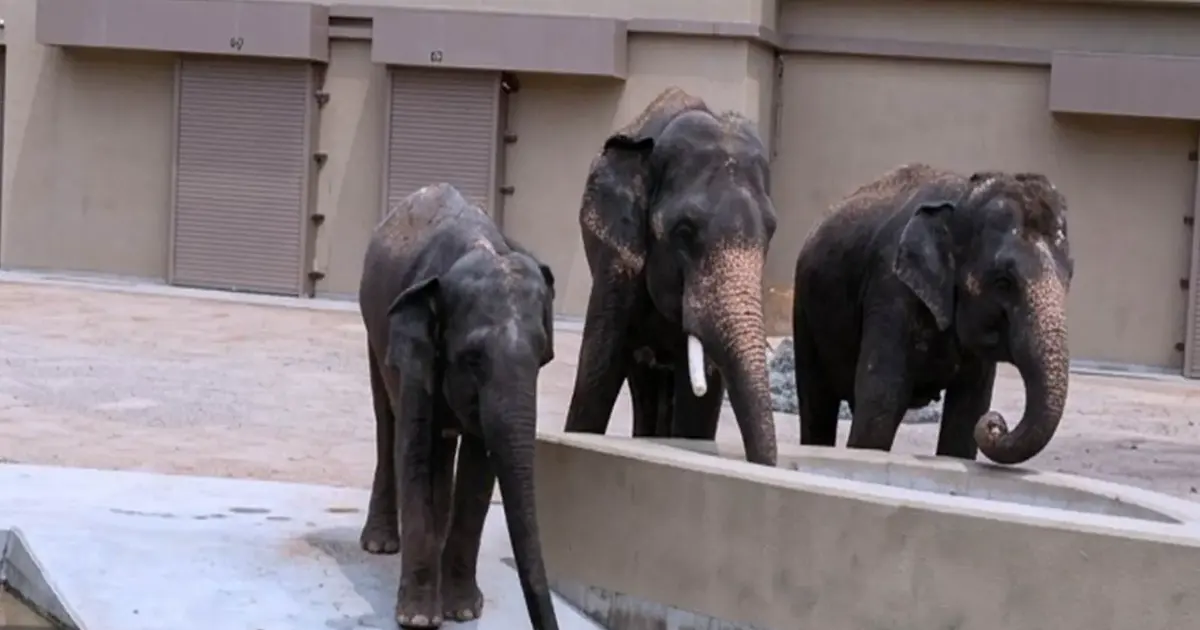
Animal welfare advocates have raised serious concerns over a RM50 million transaction allegedly connected to the export of elephants to Japan, claiming the funds were channelled to private individuals rather than the Malaysian government. Rajesh Nagarajan, an NGO leader and lawyer, has publicly accused unnamed parties of circumventing official channels during what appears to be a wildlife transfer arrangement, and has called upon the Malaysian Anti-Corruption Commission to launch a formal investigation into the matter.
The allegation strikes at the heart of concerns long held by environmental and animal welfare groups regarding transparency in Malaysia's wildlife management and export policies. Critics argue that such significant financial transactions warrant the highest level of scrutiny, particularly when involving protected species that fall under international conservation agreements. The claim that government treasuries were not credited with the full value of such a transaction—if substantiated—would represent a serious breach of fiscal accountability and raise questions about how state assets are managed.
Japan has become an increasingly popular destination for wildlife from Southeast Asia, driven by demand from entertainment venues, private collections, and research institutions. The movement of large animals like elephants typically involves considerable logistical costs, veterinary care, transportation infrastructure, and regulatory compliance across multiple jurisdictions. However, such legitimate expenses do not account for the full RM50 million figure cited, suggesting additional layers of financial arrangements that remain unexplained.
For Malaysia, elephant conservation remains a politically sensitive issue. The country is home to the Asian elephant, classified as endangered, and maintains populations primarily in Peninsular Malaysia and Sabah. Any export of these animals generates intense debate within conservation circles and among concerned citizens who question whether wildlife populations can sustain removals. The financial arrangements underpinning such exports therefore become crucial indicators of whether decisions are being made in the national interest or driven by private commercial interests.
Rajesh Nagarajan's emphasis on the non-receipt of funds by the government is particularly significant. In principle, if Malaysia were legitimately exporting wildlife, the financial returns should flow into state coffers where they could theoretically support conservation efforts or public services. The diversion of such substantial sums to private channels would suggest that official permits and approvals may have been exploited for personal gain rather than national benefit. This distinction is crucial for assessing whether regulatory frameworks have functioned as intended.
The MACC, as Malaysia's primary anti-corruption authority, holds broad investigative powers and has demonstrated capacity to examine complex financial flows in recent years. An investigation would likely trace the origins and destinations of the RM50 million, identify the individuals and entities involved, and determine whether any regulations governing wildlife exports or foreign exchange transactions were breached. The commission's involvement would provide independent scrutiny absent from internal government reviews.
The situation also raises questions about institutional coordination and oversight. Malaysia maintains multiple agencies responsible for wildlife management, including the Department of Wildlife and National Parks, state wildlife departments, and the Ministry of Natural Resources. Allegations of large-scale financial irregularities suggest potential gaps in inter-agency communication or competing interests that may have compromised unified governance of wildlife assets. Strengthening coordination mechanisms could prevent similar situations in the future.
From a regional perspective, Malaysia's handling of this matter will influence how other Southeast Asian nations assess their own wildlife export frameworks. Indonesia, Thailand, and other countries managing valuable wildlife populations are watching how transparency and accountability standards are applied. A credible investigation that addresses substantive concerns would reinforce confidence in Malaysia's stewardship of protected species; conversely, a dismissive response could deepen skepticism about wildlife governance across the region.
The broader implications extend to Malaysia's international standing on conservation commitments. The country is signatory to the Convention on International Trade in Endangered Species of Wild Fauna and Flora (CITES), which establishes protocols for wildlife trade. Public allegations of financial impropriety in wildlife exports risk undermining Malaysia's credibility with international conservation bodies and trade partners who rely upon assurances that Malaysian authorities exercise proper oversight.
Animal welfare organisations have increasingly documented concerns about stress and mortality rates among animals shipped internationally, making the financial arrangements surrounding such exports matter not only for fiscal accountability but also for animal welfare standards. Transparency in costs and payments can serve as an indicator of whether adequate provisions were made for veterinary care, humane transport, and species-appropriate quarantine procedures throughout the export process.
The path forward requires the MACC to act with appropriate urgency and thoroughness. A credible investigation should examine documentation of the transaction, identify all parties involved, trace fund flows, and determine whether any legal violations occurred. Simultaneously, the relevant wildlife agencies should conduct internal reviews of their approval processes to identify whether controls failed and implement corrective measures. Public reporting of findings would demonstrate commitment to accountability and help restore public confidence in wildlife governance.
Ultimately, the allegations underscore why wildlife management in Malaysia must operate under robust transparency standards. These animals represent irreplaceable national natural heritage with global conservation significance. Financial arrangements surrounding their movement warrant the same rigorous oversight applied to other valuable state assets, with clear traceability of funds and documented justification for all transactions.