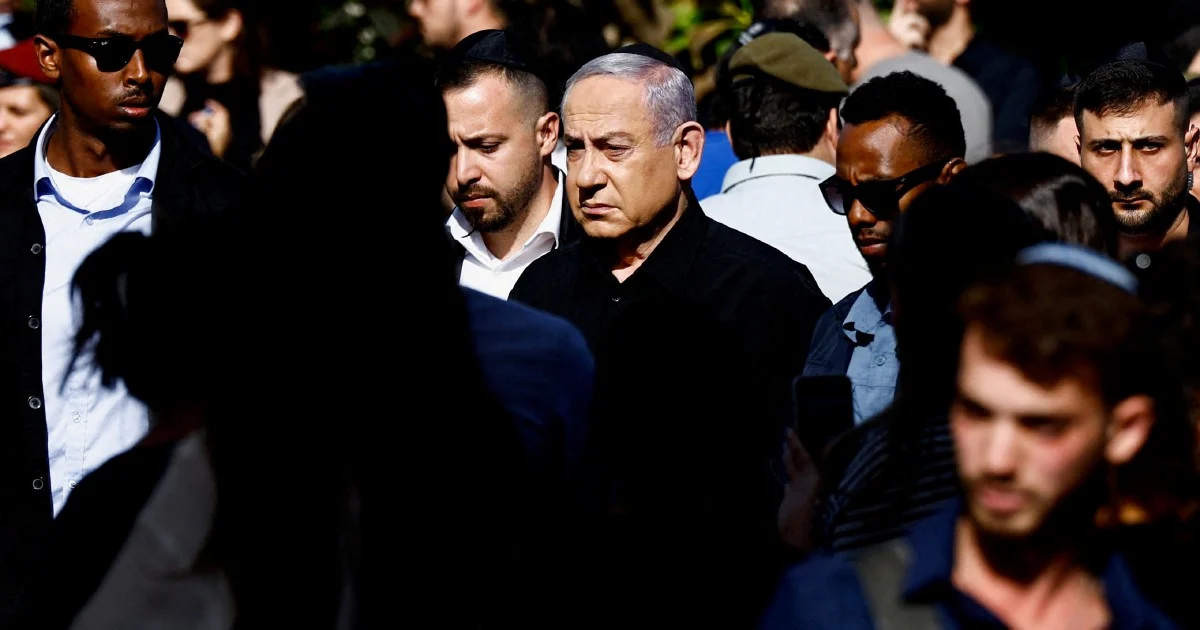
Israeli Prime Minister Benjamin Netanyahu has completed his testimony in his graft trials, according to a statement from the justice ministry spokeswoman on Wednesday. The conclusion of his judicial deposition represents a substantial milestone in a legal battle that has shadowed his tenure as leader of Israel, keeping the country's political establishment in a state of prolonged uncertainty.
Netanyahu faces allegations spanning multiple corruption charges, including bribery, fraud, and breach of trust stemming from investigations that began years before his current term. The testimony process has been protracted and contentious, with the prime minister consistently denying wrongdoing and characterising the proceedings as a politically motivated witch-hunt designed to undermine his authority. His completion of courtroom testimony now allows the judicial process to advance toward its next phase, though observers expect the trials to continue consuming significant government attention and political bandwidth.
The timing of this legal conclusion comes amid intensifying international diplomatic developments that have direct implications for Israel's security architecture. Concurrent negotiations between the United States and Iran regarding nuclear diplomacy have generated considerable concern within Israeli policy circles, with government officials interpreting the trajectory of these talks as fundamentally disadvantageous to their nation's long-term strategic interests in the region. Netanyahu has been vocal in his opposition to what he perceives as an inadequate framework for constraining Iran's nuclear ambitions.
For Malaysian readers attuned to regional geopolitics, Netanyahu's completion of testimony carries significance beyond Israeli domestic politics. The Middle East remains a critical focal point for global energy markets, trade routes essential to Southeast Asian commerce, and broader international stability. Any distraction of Israeli leadership capacity—whether through legal proceedings or diplomatic preoccupations—affects the balance of power calculations that shape Middle Eastern affairs and, by extension, regional security dynamics that touch Southeast Asian interests.
The corruption trials themselves have become increasingly significant to Israeli political life. The charges represent the most serious legal jeopardy faced by any serving Israeli prime minister, setting unprecedented constitutional and democratic precedents. The manner in which these trials unfold and conclude will potentially reshape Israeli governance norms and executive accountability standards for future administrations, establishing either stronger or weaker standards for prosecutorial independence.
Netanyahu's political coalition remains fragile, with various smaller parties maintaining their parliamentary support while simultaneously watching the judicial proceedings with keen interest. The completion of his testimony may provide some relief to his political position, as it removes the ongoing spectacle of a sitting prime minister in the witness box. However, the judicial process will continue through verdict preparation and potential conviction or acquittal phases, meaning legal uncertainty will likely persist throughout any remaining government tenure.
The geopolitical context complicates Netanyahu's position further. As he manages corruption trials domestically, he simultaneously confronts what his administration views as an adversarial international environment regarding Iranian nuclear policy. This dual challenge—defending his government's policy positions internationally while defending his personal reputation in court—creates competing demands on his political energy and public visibility that few leaders in established democracies have navigated simultaneously.
The US-Iran diplomatic trajectory that troubles Israeli officials has profound implications for regional arms balances, proxy conflicts across Syria, Lebanon, Iraq, and Yemen, and the broader strategic architecture that has defined Middle Eastern affairs for the past two decades. Israeli assessments of these negotiations focus on concerns that oversight mechanisms proving insufficient and sunset clauses inadequate to maintain lasting constraints on Iranian nuclear development once diplomatic agreements expire.
For Southeast Asian policymakers and analysts, the intersection of Netanyahu's legal challenges and Israel's security concerns illustrates how domestic governance crises can complicate a nation's ability to project influence internationally and negotiate effectively on matters of vital national security. The case study demonstrates how judicial accountability processes, however necessary for democratic health, can create vulnerabilities in a nation's strategic positioning during periods of regional instability.
The conclusion of Netanyahu's testimony essentially closes one chapter while opening another, with the courts now responsible for assessing the testimony's implications for potential conviction. Meanwhile, his government must continue managing regional tensions, diplomatic negotiations, and domestic governance despite the ongoing legal jeopardy—a balancing act that will command scrutiny from international observers and regional actors alike seeking to understand how Israeli policy will evolve as these dual pressures intensify.

