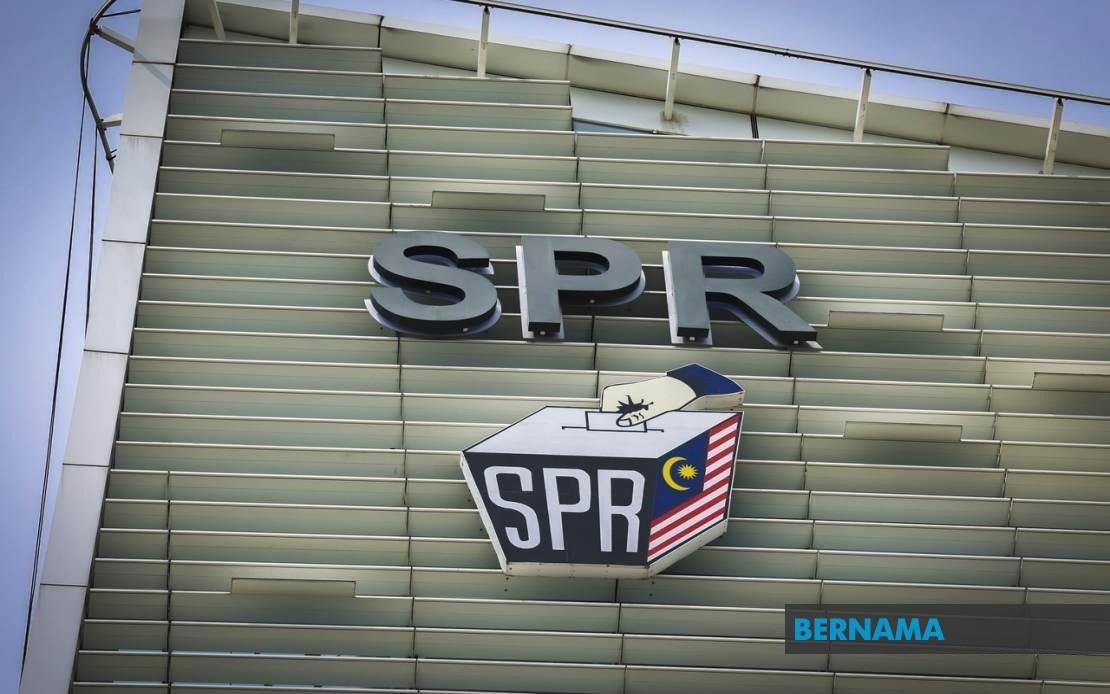
The race to control Negeri Sembilan's state legislature enters its critical opening phase tomorrow when nomination day marks the formal start of a fortnight-long campaign for the 36 assembly seats. With the state's political boundaries now clearly defined following weeks of strategic positioning by rival camps, the electoral machinery will swing into motion across eight nomination centres, where candidates must lodge their papers between 9 am and 10 am to secure their place on the ballot.
The Election Commission has orchestrated the election timetable with military precision, designating August 1 as polling day and July 28 for early voting. This compressed schedule compresses all campaign activity into just two weeks, creating an intense window for political parties to mobilise voters and differentiate themselves from competitors. The brevity of the campaign period will likely benefit established parties with stronger ground networks and campaign infrastructure already in place across the state.
Negeri Sembilan's electoral roll encompasses 889,490 registered voters spread across the 36 constituencies, a figure that includes 867,151 ordinary voters alongside 16,884 military personnel and their spouses and 5,455 police personnel and spouses. This composition reflects the state's demographic mix and underscores the military and security sector's electoral weight in determining outcomes. The participating agencies' willingness to facilitate their members' voting through early voting arrangements demonstrates institutional commitment to democratic participation, though such arrangements typically benefit incumbent or established parties with prior relationships to these constituencies.
Pakatan Harapan enters the contest as the governing coalition, having secured 17 of the 36 seats in 2023 and seeking to consolidate or expand that advantage. The coalition's unified ticket across all 36 seats projects strength, with PKR fielding 16 candidates, DAP contributing 11 and Amanah providing nine. This balanced distribution reflects internal power-sharing agreements and suggests the coalition views the election as a genuine contest where gains remain possible, rather than a defensive holding action.
Barisan Nasional's decision to contest 25 seats signals a strategic calculation that the bloc can reclaim ground lost in recent years while acknowledging certain constituencies where victory appears unlikely. UMNO dominates the BN slate with 16 candidates, while MCA and MIC contribute seven and two respectively. The coalition's narrower footprint compared to PH's full-court press suggests either pragmatism about winnable seats or internal disagreements about electoral viability in particular areas. Historically, MCA's performance in peninsular Chinese-majority constituencies has declined, potentially explaining its modest allocation.
Perikatan Nasional's fragmentation during this election reveals internal tensions within the bloc. The coalition's official lineup comprises 11 seats—with PAS providing five candidates, Gerakan and MIPP each contributing one, and Wawasan furnishing four in its maiden electoral outing. However, this apparent unity masks fundamental discord: Bersatu, nominally a PN member, has announced it will contest independently using its own party machinery and logo. This split suggests leadership disputes or resource competition within the bloc and potentially signals Bersatu's pivot toward positioning itself as a kingmaker rather than coalition subordinate in post-election negotiations.
Wawasan's debut as an electoral contestant warrants attention as a potential spoiler or alternative vehicle for PN supporters disillusioned with existing parties. As the newest component within PN, Wawasan's performance will test whether PN can attract new political constituencies or whether its four-seat allocation simply redistributes existing PN voters without expanding the coalition's overall vote share. Such internal shuffling without corresponding external gains typically indicates a coalition struggling to maintain cohesion or generate electoral momentum.
Smaller parties and independent actors will compete across the margins. Parti Orang Asli Malaysia and Parti Sosialis Malaysia will each field a single candidate, placing bets on localised constituency dynamics or using the election as a platform for raising political profile. Berjasa, the Islamist splinter movement, will contest seven seats, suggesting an attempt to challenge PAS's grip on Malaysia's Islamic political space. This multi-party fragmentation, while diluting opposition voting strength potentially, also reflects deepening ideological and strategic divisions within Malaysian politics that transcend the traditional three-bloc framework.
Meanwhile, the decision by MUDA, Pejuang and Bersama to sit out the contest deserves scrutiny. These parties' absence removes potential complicating factors in a state-level contest but also raises questions about their organisational capacity or strategic focus. MUDA's non-participation is particularly notable given its emergence as a significant force in national politics; the party's calculation that Negeri Sembilan offers insufficient upside to justify campaign expenditure suggests limited grassroots consolidation in the state.
The Election Commission's preparatory reminders to candidates—to pre-check nomination documents and submit deposit payments in advance—reflect administrative efforts to streamline the nomination process and minimise technical rejections. Such measures reduce controversy but also advantage professional, well-resourced parties familiar with electoral procedures over debut contestants who might stumble on procedural requirements. The weather forecast predicting afternoon thunderstorms across the state constitutes a minor logistical consideration unlikely to significantly impact the nomination process itself, though it may affect afternoon campaign kickoff events or voter engagement activities.
Negeri Sembilan's dissolution on June 5 with the Yang Dipertuan Besar's consent followed predictable constitutional procedures. The two-month interval between dissolution and polling day provides adequate time for campaigning while remaining compressed enough to maintain urgency. Compared to federal elections that can stretch campaigns across several months, state contests in Malaysia typically compress the electoral calendar, potentially disadvantaging challengers with weaker campaign machinery.
The electoral contest unfolds against Malaysia's broader political trajectory of coalition fragmentation and shifting voter preferences. Negeri Sembilan's 2023 results demonstrated PH's capacity to dominate in peninsular states while PN retains a foothold and BN attempts reconstruction. Tomorrow's nomination day will reveal whether these patterns persist or whether new alignments, spoiler candidates, or independent campaigns reshape the competitive landscape. The intensive two-week campaign that follows will test whether incumbency, coalition discipline and campaign resources matter more than voter dissatisfaction or alternative visions offered by challengers.

