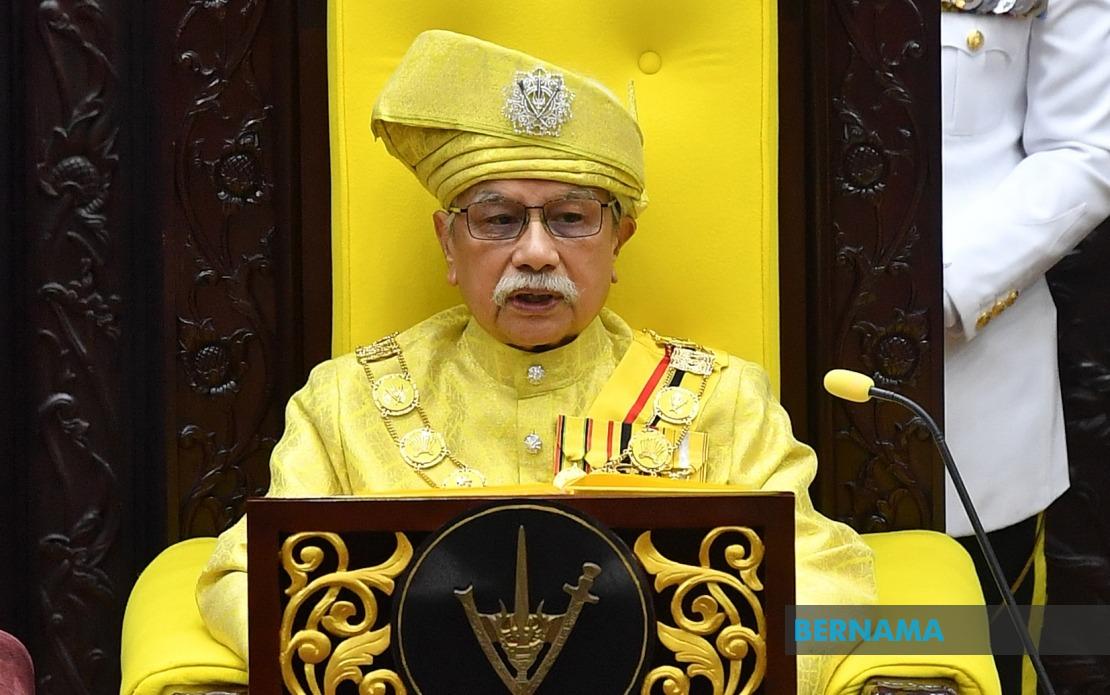
The Yang Dipertuan Besar of Negeri Sembilan, Tuanku Muhriz Tuanku Munawir, has given his consent for a formal royal ceremony recognising the installation of the new Undang of Luak Rembau at Istana Besar Seri Menanti this Saturday. The decision was formally announced by Tunku Besar Seri Menanti, Tunku Ali Redhauddin Tuanku Muhriz, during a meeting with the Datuk-Datuk Adat of Rembau at the palace in Kuala Pilah, marking an important moment in the continuation of hereditary leadership within Negeri Sembilan's customary governance structure.
Hassan Ab Hamid, aged 67, has been selected to assume the position through traditional procedures upheld in the Rembau luak, or territorial division. His selection represents the conclusion of a succession process that followed the passing of the previous Undang, Datuk Lela Maharaja Datuk Muhamad Sharip Othman, who died on May 15, 2024, at the age of 83. The choice of Hassan Ab Hamid reflects the community's adherence to time-honoured customs that have governed leadership transitions in this region for centuries.
Tunku Ali Redhauddin conveyed his father's blessing for the ceremony, known as Istiadat Menghadap Menjunjung Duli Bagi Menyempurnakan Kejadian Undang Luak Rembau, emphasising that all necessary arrangements should proceed through consultation between the adat leaders and the Orang Empat Istana, the traditional council responsible for administrative coordination within the palace structure. This protocol underscores the collaborative relationship between royal authority and customary governance that characterises Negeri Sembilan's unique political system.
Central to understanding this appointment is the distinction between royal recognition and customary selection—a principle that Datuk Juan Datuk Zulkipli Shamsudin, chairman of the Kerapatan Buapak Delapan ceremony for the Biduanda Nan Dua Carak customary clan, sought to clarify. Under the Adat Perpatih system, which operates distinctly from the sultanate systems found elsewhere in Malaysia, the Yang Dipertuan Besar does not actively appoint an Undang. Rather, the sovereign's role is to receive representatives of the luak when they formally present their customary decision and, where tradition dictates, to grant official recognition and consent to the community's choice.
This constitutional arrangement reflects the Adat Perpatih's unique democratic elements, wherein leadership positions emerge from community consensus rather than top-down appointment. Zulkipli emphasised that the Yang Dipertuan Besar operates within the constraints of customary law and does not possess discretionary powers to summon, select, or appoint individuals according to personal preference. Any interpretation suggesting otherwise would misrepresent centuries of adat governance that have shaped Negeri Sembilan's identity as Malaysia's sole matrilineal state.
The significance of this clarification extends beyond ceremonial semantics. In recent years, the relationship between traditional governance and contemporary state administration has required careful navigation in various Malaysian contexts. Negeri Sembilan's model offers a distinctive example of how adat institutions maintain operational independence whilst remaining integrated within the broader framework of constitutional monarchy. The formality of Saturday's audience serves as both a recognition of the customary process and an affirmation of its legitimacy within state structures.
For Malaysian readers, particularly those in Negeri Sembilan and neighbouring states with similar adat heritage, this installation ceremony represents continuity in a governance system that predates modern Malaysia. The Adat Perpatih has survived colonial administration and post-independence centralisation by maintaining its distinctive character. Hassan Ab Hamid's assumption of the Undang position therefore carries weight beyond his luak, as it demonstrates the resilience of traditional institutions in contemporary Malaysia.
The ceremony scheduled for this Saturday will involve formal protocols that blend customary elements with royal pageantry. These occasions typically include the presentation of customary regalia, the recitation of traditional pledges, and the formal recognition of the new Undang's position within the hierarchy of adat leadership. The event at Istana Besar Seri Menanti will likely draw participation from adat leaders across the state's various luaks, reinforcing the interconnected nature of Negeri Sembilan's customary governance structure.
From a broader regional perspective, Negeri Sembilan's continued commitment to adat governance offers insights into Southeast Asian approaches to balancing modernity with cultural preservation. While some traditional systems have receded in significance, the Adat Perpatih remains actively practised and legally recognised. This Saturday's ceremony exemplifies how such systems adapt while maintaining their essential character, neither fossilising nor abandoning the principles that define them.
The transition of leadership through customary succession also carries practical implications for the Rembau luak's community. The Undang serves as custodian of adat knowledge, mediator in customary disputes, and representative of the luak's interests within the broader state framework. Hassan Ab Hamid's selection therefore affects property rights, inheritance practices, and community decision-making processes specific to Rembau, making the formal recognition ceremony more than a ceremonial formality.
Tunku Ali Redhauddin's role as messenger of his father's consent underscores the multi-layered nature of Negeri Sembilan's governance. The Yang Dipertuan Besar, though constitutionally sovereign, operates within carefully defined parameters when dealing with adat matters. This arrangement reflects the state's founding principles, wherein royal authority is exercised in collaboration with customary institutions rather than in dominion over them. The upcoming ceremony will visibly demonstrate this constitutional partnership.
As Negeri Sembilan prepares for Saturday's installation, the event stands as testimony to the vitality of Malaysia's diverse governance traditions. While the state has modernised considerably since the adat system's establishment, the continued practice of customary succession attests to the enduring relevance of these institutions. For observers of Malaysian constitutional practice, this moment illuminates how tradition and contemporary statecraft can coexist, providing a model that extends relevance beyond Negeri Sembilan's borders to Southeast Asia's broader community of nations navigating similar challenges of cultural continuity.

