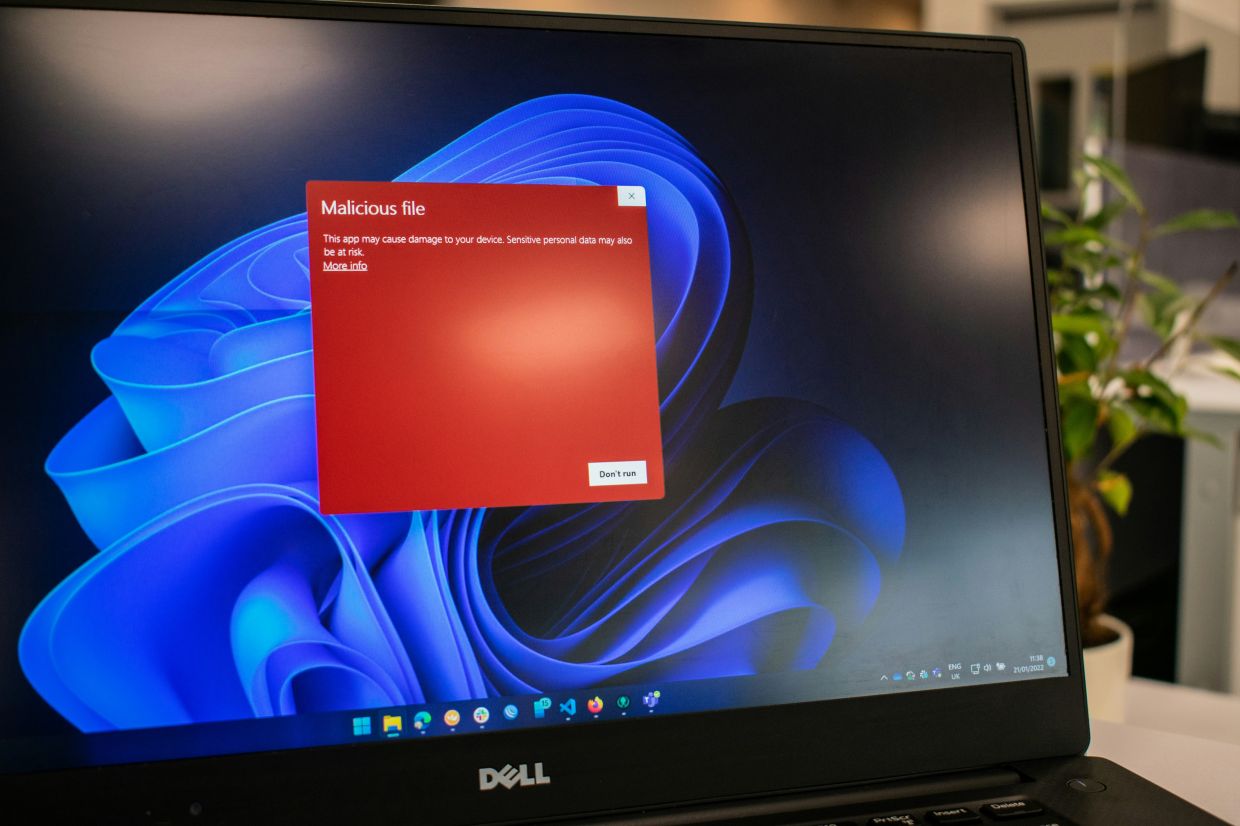
Malaysia's cybersecurity agency MyCert has sounded the alarm over an active malware distribution campaign leveraging WhatsApp Web and Desktop platforms to target Windows-based computers. The threat uses deceptive social engineering tactics, with attackers impersonating legitimate entities and sending messages containing malicious attachments masquerading as routine financial and legal documents. This coordinated effort highlights the vulnerability of messaging platforms as vectors for cybercrime and underscores the growing sophistication of attackers operating within Southeast Asia.
The malicious files circulating in this campaign bear deceptively innocuous names designed to lower users' guard. Common variants include "Acknowledgment of Debt.vbs", "Sila semak bil anda.vbs", "December statement of account.vbs", and "Reconciliation.vbs". The naming convention deliberately suggests these are standard PDF documents relating to invoices, account statements, or legal acknowledgements—documents that Malaysian business professionals and individuals routinely receive in their daily operations. This psychological manipulation exploits workplace familiarity with financial documentation, making recipients less likely to scrutinise the files before opening them.
Despite their filename extensions suggesting legitimacy, these are actually Visual Basic Script files with the .vbs extension. When an unsuspecting user opens or executes one of these files, the script automatically runs without requiring additional user confirmation or displaying obvious warning signs. This execution launches a chain reaction within the infected system, initiating the deployment of malicious code designed to compromise the device's security and establish persistent access for the attacker.
The payload installed by these scripts represents a particularly dangerous threat vector. Remote Access Trojans, known as RATs, grant attackers the ability to assume control of the infected computer remotely, as though they were physically operating the keyboard and mouse. This level of access permits cybercriminals to monitor all user activities, intercept sensitive data as it is entered or displayed, and maintain their foothold in the system even if the user reboots the device. For Malaysian users who conduct banking, investment, or business transactions online, this represents an existential threat to their financial security.
The malware's sophistication extends beyond simple remote access capabilities. Once installed, the RAT systematically disables security notifications and system warnings that would normally alert users to suspicious activity. This stealth capability means that antivirus software operating on the infected machine may fail to detect the intrusion, and users operating the computer remain blissfully unaware that their system has been compromised. The attacker operates in the shadows, continuously monitoring for opportunities to capture credentials, banking PINs, and one-time passwords—the very authentication factors designed to protect users' most sensitive digital assets.
MyCert's guidance emphasises preventive measures as the first line of defence. Users should exercise extreme caution when receiving unexpected file attachments via WhatsApp, particularly those claiming to be financial statements, debt acknowledgements, or account reconciliations. The agency explicitly advises against opening or executing suspicious files and warns against forwarding such attachments to others, which could inadvertently spread the infection through social networks. Replying to the sender should be avoided entirely, as responding confirms to the attacker that the phone number is active and monitored, potentially leading to escalated targeting.
For those who suspect they may have already opened a malicious file, the situation demands immediate and decisive action. The fundamental priority is isolating the infected device from the internet entirely, severing the attacker's ability to maintain remote access or exfiltrate additional data. This containment step must occur before any other remediation efforts. Users operating corporate devices face an additional responsibility to notify their organisation's IT security team immediately, allowing enterprise-level response protocols to be activated and preventing potential lateral movement of the malware across company networks.
Credential compromise must be treated as virtually certain for systems that have executed the malware. Users should assume that any password, personal identification number, or sensitive information typed into the infected computer has been captured by the attacker's monitoring tools. This necessitates changing all passwords—for email, banking services, social media platforms, and any other accounts—using a completely separate, clean device that has never been exposed to the malware. This proactive credential rotation prevents attackers from leveraging captured credentials to access and compromise the user's digital ecosystem beyond the initially infected machine.
Professional remediation represents a critical component of the recovery process that many users overlook. Standard antivirus scans, while essential, frequently prove insufficient against sophisticated RATs that are deliberately designed to evade consumer-grade security software. Engaging cybersecurity professionals who specialise in malware removal ensures thorough identification and elimination of all malicious components, including hidden persistence mechanisms that enable the RAT to reinstall itself after superficial cleaning attempts. For Malaysian users seeking assistance, MyCert can be contacted through the Cyber999 email address ([email protected]) with supporting documentation including screenshots of the original message, precise timestamps, and the sender's phone number.
This campaign underscores a broader trend in cybercrime affecting Southeast Asia. Attackers increasingly target regions with growing digital banking adoption and wealth concentration, using culturally contextualised social engineering to increase success rates. Malaysian internet users, particularly those engaged in business, commerce, and finance, represent attractive targets for such campaigns. The exploitation of WhatsApp—a platform trusted by millions for personal and professional communication—demonstrates how criminals weaponise the very tools that have become essential to modern Malaysian society.

