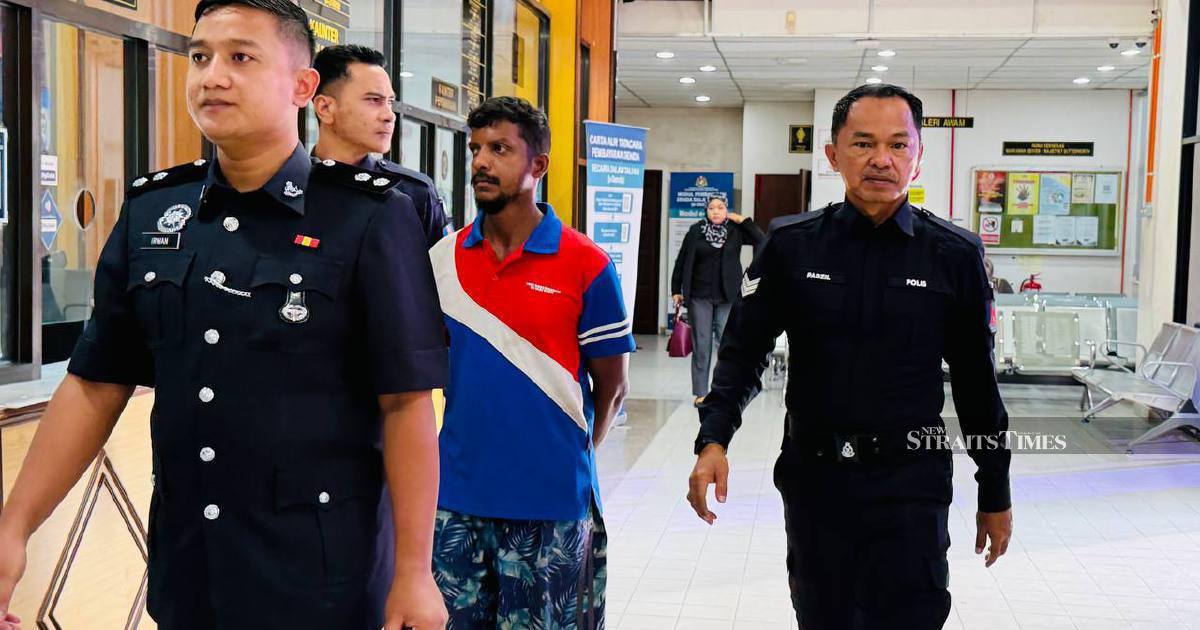
A Myanmar national appeared before the Sessions Court in Butterworth today facing charges of inflicting grievous hurt on a fellow countryman during an incident last week. The accused's bail application was rejected, with the court determining that the absence of proper identification documentation warranted detention pending further verification procedures.
The development reflects ongoing challenges in the Malaysian criminal justice system when handling cases involving foreign nationals, particularly those without readily available identification credentials. Courts across Peninsular Malaysia have increasingly encountered complications in processing cases where accused persons lack valid travel documents or passport verification, necessitating additional administrative steps before proceeding with bail hearings.
Under Malaysian law, grievous hurt constitutes a serious category of assault, distinct from simple hurt by virtue of the injury's nature or severity. The charge carries potentially substantial consequences, including imprisonment and fines, depending on the circumstances and evidence presented during trial. The fact that both the accused and complainant share the same nationality may influence how investigative authorities approach witness statements and gather corroborating evidence.
The decision to deny bail pending identification document verification underscores the court's concern about the accused's status in Malaysia and ability to comply with bail conditions. Without confirmed identity documents, judicial officers cannot reliably verify residential status, family ties, or employment within the country—all factors typically considered when determining flight risk and likelihood of court appearance.
Migrant worker communities from Myanmar constitute a significant demographic across Malaysia, particularly in Penang's industrial and service sectors. Butterworth, located in Seberang Perai, hosts substantial numbers of Myanmar nationals employed in manufacturing, construction, and domestic work. Incidents involving members of this community occasionally surface in local courts, though many disputes are resolved through informal community channels or informal restitution arrangements.
The Myanmar consulate in Kuala Lumpur and regional diplomatic offices sometimes facilitate emergency travel document issuance for nationals facing legal proceedings, though bureaucratic delays frequently occur. Authorities investigating the assault will need to establish a clear chronology of events from the previous week, secure medical evidence documenting the victim's injuries, and gather witness accounts from any bystanders.
The Sessions Court's approach of withholding bail reflects established jurisprudence requiring identification confirmation before granting temporary release, particularly where foreign nationals are involved. This procedural safeguard protects court integrity and ensures accused persons can be readily located for trial continuance. Extensions of remand periods are common in such circumstances, allowing investigating officers additional time to process identity verification through diplomatic channels.
For Myanmar workers in Malaysia navigating the legal system, the experience can prove daunting. Limited familiarity with Malaysian criminal procedure, language barriers in understanding courtroom proceedings, and difficulty obtaining legal representation complicate their interaction with authorities. Many depend on informal networks or community associations for guidance, though professional legal assistance remains financially inaccessible for many accused persons.
The case highlights broader questions about migrant worker protection and access to justice in Malaysia's multi-ethnic society. While Malaysian courts treat all persons before them equally regardless of nationality, practical obstacles—particularly documentation issues—can disadvantage foreign nationals. Rights groups have periodically raised concerns about detention conditions during extended remand periods and the need for expedited identity verification processes that respect humanitarian considerations.
Authorities investigating the grievous hurt incident will eventually present their findings to the Deputy Public Prosecutor's office, which determines whether sufficient evidence exists to proceed with prosecution. The victim's medical condition, whether serious or relatively minor, will significantly influence the case's trajectory and potential sentencing outcomes if conviction results.
The coming weeks will be crucial as investigative agencies work with immigration authorities to verify the accused's identity and legal status in Malaysia. During this interval, the Sessions Court will likely hear periodic remand applications as the investigation progresses. The accused's ability to communicate with family members in Myanmar, arrange legal representation, and prepare a defence may be constrained by detention circumstances and documentation complications.

