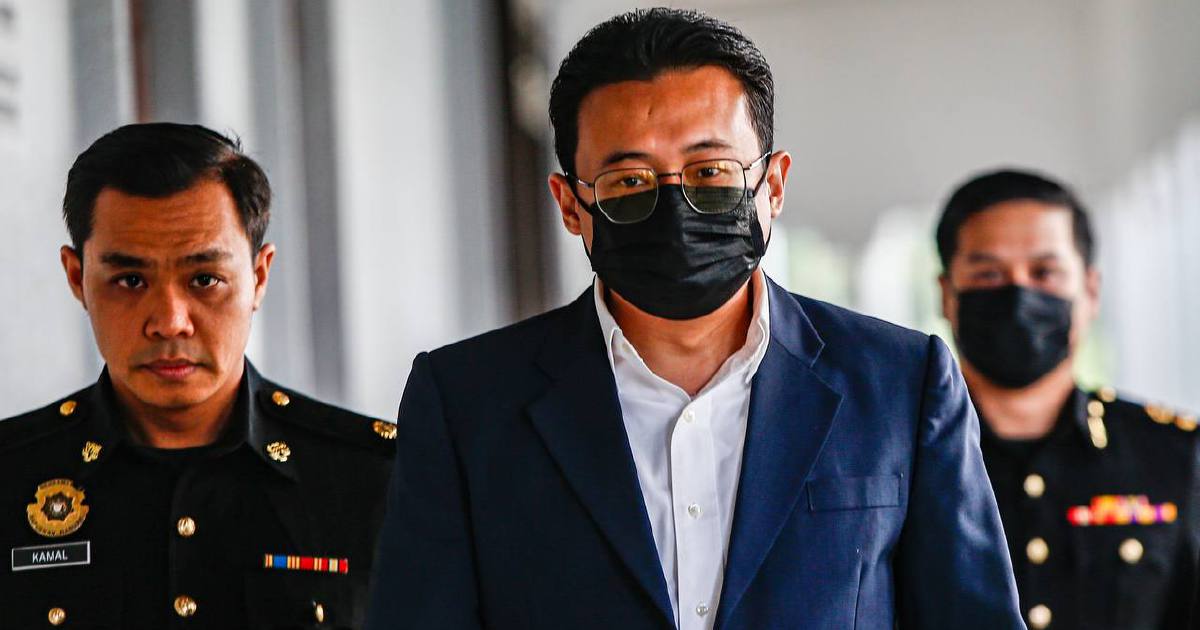
The chief executive officer of the Malaysia Stadium Corporation appeared in the Sessions Court in Kuala Lumpur today to deny allegations that he requested and received bribes totalling RM1.45 million. The MSC executive faces seven separate charges relating to the procurement process for a major upgrade project at the National Squash Centre, one of the country's premier sports facilities. The denial comes as part of ongoing efforts by Malaysian authorities to address corruption within government-linked corporations and public procurement processes.
The specific allegations centre on the awarding of a tender contract for the upgrading and renovation work at the National Squash Centre. According to court documents, the executive is accused of soliciting bribes as a condition for steering the lucrative contract towards a particular company. This type of corruption in government tenders undermines fair competition and inflates project costs, ultimately affecting the quality of public sporting infrastructure available to Malaysian athletes and the general public.
Public procurement processes in Malaysia have come under intensified scrutiny in recent years. Sports facilities, in particular, require significant capital expenditure and ongoing maintenance investment. The National Squash Centre, which has hosted numerous international tournaments and serves as a training ground for Malaysia's squash talent, represents the kind of asset whose upkeep is critical to maintaining the nation's competitive edge in the sport. Allegations of corruption in such projects erode public confidence in institutional management and raise questions about resource allocation in the sports sector.
The Malaysia Stadium Corporation operates several major sporting venues across the country and manages billions in annual budgets. As a government-linked company, it plays a pivotal role in Malaysia's sporting infrastructure ecosystem. Leadership integrity within such organizations is essential for ensuring that projects proceed transparently and deliver value for money to taxpayers. The court case underscores the ongoing challenge authorities face in rooting out corrupt practices among senior management in government entities.
Bribery charges of this magnitude typically carry substantial penalties if proven, including imprisonment and financial restitution. The structure of the charges—seven separate counts—suggests that prosecutors believe multiple acts of solicitation and acceptance occurred, possibly involving multiple payments or separate instances of inducement. This approach allows prosecutors to present a pattern of behaviour rather than isolating a single transaction.
The tender process for sporting facilities often attracts considerable commercial interest given the substantial contract values involved. Competition among construction and engineering firms can be intense, creating circumstances in which unscrupulous actors might attempt to gain unfair advantage through corrupt means. The investigation into this matter likely emerged following complaints from competing bidders or routine financial audits that flagged suspicious transactions.
For the Malaysian public, cases involving sports administrators carry particular weight. The National Squash Centre is not merely a facility but represents national sporting aspirations and pride. The integrity of processes governing its maintenance directly impacts Malaysia's capacity to host international events and develop world-class athletes. Corruption in such contexts sends a concerning message about institutional accountability.
The Sessions Court will now oversee proceedings to determine the validity of the charges and hear evidence from both prosecution and defence. The accused executive has exercised his legal right to plead not guilty, placing the burden on prosecutors to prove beyond reasonable doubt that the alleged acts occurred. Court hearings in coming months will likely involve testimony from former employees, contractors, financial specialists, and officials involved in the tender process.
This case reflects broader governance challenges facing Malaysia's sports administration sector. Previous years have witnessed similar allegations across various government-linked entities responsible for managing public assets. Each prosecution sends a signal about official commitment to accountability, though observers note that conviction rates for white-collar corruption cases remain modest, partly due to evidentiary complexity and resource constraints in investigation and prosecution.
The outcome will carry implications beyond the individual defendant. A conviction would reinforce anti-corruption efforts and potentially deter similar conduct among other executives managing public funds. Conversely, an acquittal might raise questions about investigative rigor or prosecution strategy. Either way, the case serves as a reminder of the persistent challenge corruption poses to institutional credibility in Malaysia.
For the sports sector specifically, the trial highlights the importance of robust internal controls and independent oversight mechanisms within government-linked corporations. Strengthening procurement transparency, implementing competitive bidding processes, and establishing whistleblower protections could help prevent similar situations. International best practices in sports facility management increasingly emphasize governance standards precisely to avoid such complications.
The proceedings will continue as the court assesses evidence and arguments presented by both sides. Stakeholders across Malaysia's sporting community will watch the case closely, hoping for an outcome that reinforces the principle that public resources must be managed with integrity and that those entrusted with such responsibility face meaningful consequences for breach of that trust.

