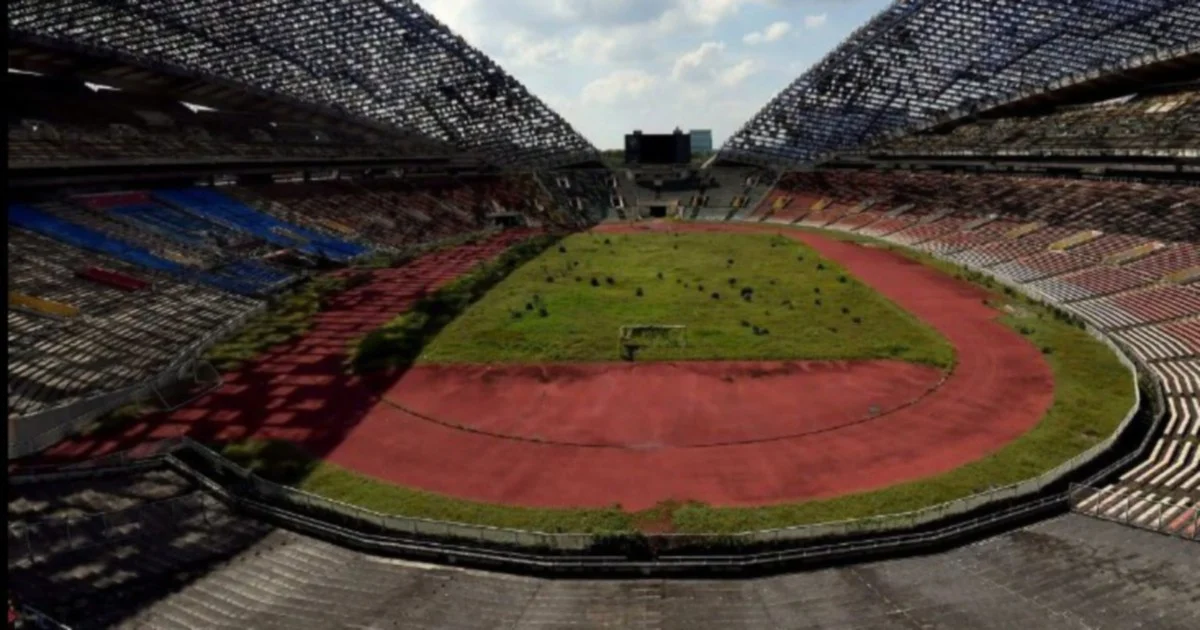
Malaysian Resources Corporation Bhd (MRCB) has successfully obtained a consent order at the Shah Alam High Court in proceedings against activist Abdul Razak Ismail concerning social media content related to the demolition and redevelopment of Shah Alam Stadium. The company argued that publications made by the activist across online platforms had inflicted significant economic damage to the corporation, prompting legal action to address the allegations and statements that had circulated.
The consent judgment represents a legal resolution between the two parties without proceeding to a full trial. Such orders typically indicate that both sides have reached an agreement on the terms and conditions to be imposed by the court, though specific details of the settlement remain subject to judicial confidentiality. The case highlights growing tensions between corporate entities undertaking major infrastructure projects and activist groups who scrutinise development decisions through public advocacy and digital platforms.
The Shah Alam Stadium redevelopment has been a contentious project within Selangor, drawing criticism from various quarters over heritage preservation concerns, public asset management, and the decision to award the development contract to MRCB. The stadium, originally constructed to host major sporting events, became the focus of debate when plans emerged to demolish and reconstruct the venue. Activists and civil society groups questioned whether the redevelopment represented value for money and whether alternative approaches had been adequately considered before proceeding with demolition.
Abdul Razak Ismail has been known for documenting concerns about major development projects across the Klang Valley region through social media platforms. His posts typically raised questions about project justification, financial implications, and potential alternatives. The specific publications that prompted MRCB's legal action would have centred on statements about the stadium redevelopment, with the corporation contending that these online posts contained material that damaged its business interests and reputation.
From a corporate litigation perspective, MRCB's decision to pursue legal remedies through the court system reflects a strategy increasingly adopted by major corporations facing activist criticism in Malaysia. The consent order approach offers several advantages: it avoids prolonged litigation costs, generates a court-backed resolution, and establishes legal parameters for future public discourse about the company's projects. For the activist and public interest advocates, such court orders can present challenges in continuing to raise concerns about development decisions, particularly when orders restrict certain forms of commentary.
The broader context involves Malaysia's evolving landscape regarding corporate accountability and public participation in development decisions. As major infrastructure projects continue across the country—from Klang Valley expansion to regional developments—the tension between corporate prerogatives and public scrutiny remains unresolved. Courts increasingly serve as forums where corporations seek protection from reputational damage caused by activist campaigns, raising questions about the balance between commercial interests and freedom of expression.
For Malaysian readers and the Southeast Asian business community, the case underscores the real financial stakes involved when activist campaigns gain digital traction. Companies view viral social media campaigns and sustained criticism as threats requiring legal intervention, particularly when projects represent significant investments or when public controversy affects business operations. The consent judgment provides MRCB with a court-endorsed framework for managing future discourse about its stadium project and potentially its other developments across the region.
The implications for activist spaces and civil society in Malaysia warrant careful consideration. While consent orders represent negotiated settlements rather than restrictive injunctions, they establish precedent for legal consequences arising from online activism. Activists and advocacy groups must increasingly navigate the terrain between exercising freedom of expression and avoiding legal liability when commenting on corporate-led development projects. This dynamic has prompted debate about whether Malaysian courts should carefully scrutinise the balance between protecting legitimate business interests and preserving space for public interest advocacy.
Looking forward, the MRCB case may influence how other activist groups approach criticism of major development projects in Malaysia and regionally. Some advocacy organisations have begun documenting and archiving their public positions on infrastructure developments, whilst others have adjusted their communication strategies to focus on fact-based reporting rather than broader commentary. The consent order thus serves not merely as a resolution to this specific dispute but as a signal to others engaged in development scrutiny about the potential legal ramifications of public campaigns conducted through digital channels.
The Shah Alam Stadium redevelopment itself remains subject to public interest because of its scale, cost implications, and status as formerly public sporting infrastructure. Whether the consent order effectively closes discussion about the project's merits or merely constrains particular forms of commentary will become apparent as the redevelopment progresses. For stakeholders across Malaysia and Southeast Asia following corporate accountability issues, the case represents a microcosm of larger tensions shaping how development decisions are made and challenged in increasingly digital, interconnected societies.

