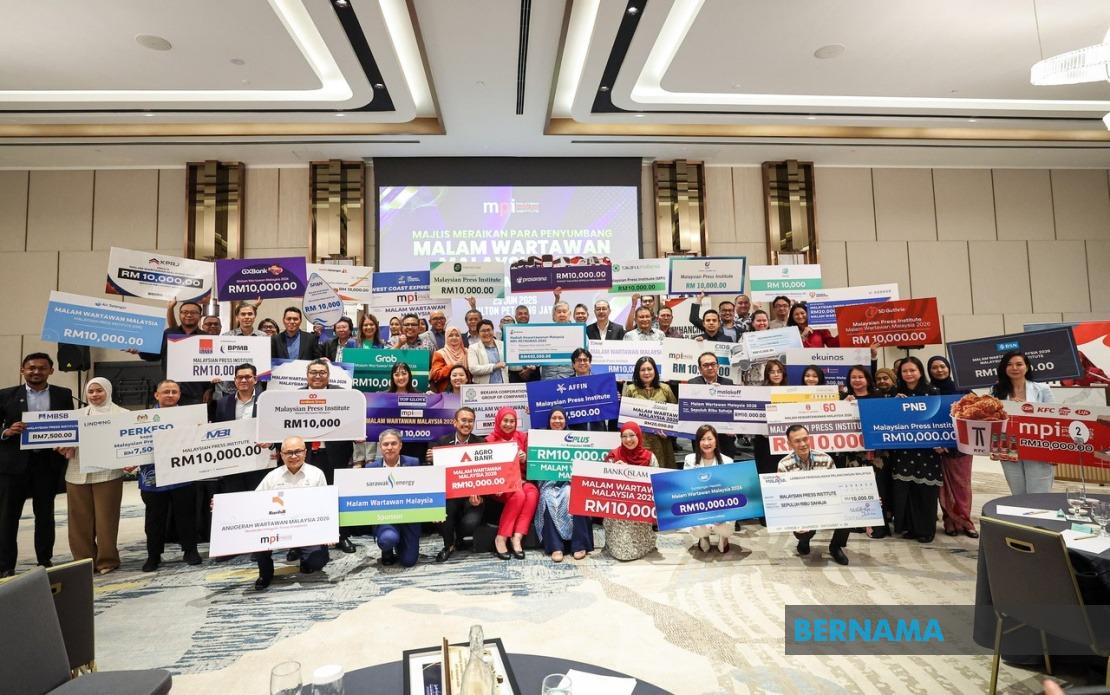
The Malaysian Press Institute has successfully mobilised over RM1 million in financial backing for the Malaysia Press Night 2026, demonstrating robust industry support for the country's flagship media recognition event. The RM1.037 million fundraising effort, announced at a Contributors' Appreciation Ceremony in Kuala Lumpur, represents a combination of direct corporate contributions totalling RM587,000 from 60 organisations and a substantial RM450,000 sponsorship commitment from PETRONAS, the national oil and gas corporation that has been a longstanding patron of Malaysian journalism excellence.
MPI chief executive officer Dr Ainol Amriz Ismail characterised the financial backing as evidence of stakeholder dedication to upholding professional standards within the media industry. In his remarks at the appreciation event, he emphasised that corporate participation in the Malaysia Press Night transcends mere event sponsorship, instead reflecting a deeper alignment among business leaders, media practitioners and government institutions around the importance of maintaining integrity, accuracy and accountability in news reporting. The framing places the event within a broader narrative about journalism's role in national development and public trust.
The upcoming Malaysia Press Night 2026, scheduled for July 17, will carry particular significance this year with confirmation that Prime Minister Datuk Seri Anwar Ibrahim plans to attend. The prime ministerial presence underscores the political importance attached to recognising journalistic achievement and reinforces messaging about the government's commitment to press freedom and professional media standards. For industry observers, such high-level attendance signals that journalism remains a priority concern within the administration's policy agenda.
PETRONAS's continued sponsorship represents a 30-year institutional commitment to Malaysian journalism, having supported the MPI-PETRONAS Malaysian Journalism Awards since 1994. This long-term partnership indicates how major corporations view investment in media credibility as aligned with their own operational interests and stakeholder relations. The stability of such sponsorship relationships provides institutional backbone for events designed to celebrate and elevate professional standards across newsrooms, from large metropolitan publications to regional and digital outlets.
The fundraising achievement comes during a period when Malaysian media outlets face mounting pressures from declining advertising revenues, digital disruption and audience fragmentation. Corporate sponsorship of professional development initiatives and recognition events thus becomes increasingly vital for sustaining industry infrastructure and morale. The RM1 million threshold represents meaningful financial commitment in an environment where media organisations themselves often struggle with resource allocation for staff training and advancement opportunities.
MPI leadership attending the ceremony included president Datuk Yong Soo Heong and deputy president Farrah Naz Abd Karim, alongside Bernama chief executive officer Datin Paduka Nur-ul Afida Kamaludin. The presence of Bernama's leadership emphasises the state news agency's continued engagement with industry-wide professional standards discussions, even as Bernama itself operates within distinct institutional constraints as a government news service. PETRONAS's representation through strategic communications general manager Jalina Joheng underscored the corporation's direct investment in shaping media landscape narratives.
Dr Ainol Amriz articulated how sponsorship and contributions enable MPI to sustain an ecosystem of professional development programmes, industry training initiatives and networking activities that benefit the wider media community. These programmes hold particular importance for journalists working across regional publications, smaller digital outlets and provincial news organisations that may lack resources for in-house training. By concentrating fundraising efforts on institutional capacity-building rather than solely on event logistics, MPI positions itself as a steward of professional standards across Malaysia's heterogeneous media landscape.
The ceremony also featured a panel discussion as part of the third edition of what appears to be an established forums series, bringing together significant industry figures for substantive conversation about journalism's contemporary challenges and opportunities. The panel included Malaysian Journalism Icon Datuk A. Kadir Jasin, whose long career spans decades of reporting and commentary, alongside chief executives from major media organisations including Karangkraf Group, TV AlHijrah and the Tamil-language publication Vanakkam Malaysia. This sectoral representation across print, broadcast and linguistic-community media suggests awareness that professional standards discussions must encompass Malaysia's diverse media ecosystem rather than focusing exclusively on mainstream English-language outlets.
For Malaysian readers and media professionals, the successful fundraising and planned Malaysia Press Night event carry implications extending beyond ceremonial recognition. In a regional context where press freedom rankings have become increasingly scrutinised, visible institutional investment in journalistic excellence serves as counterbalance to concerns about editorial independence and government pressure. The participation of corporate sponsors alongside government officials at such events necessarily involves complex negotiations around editorial autonomy and institutional relationships, dynamics that merit ongoing attention from journalism scholars and press freedom advocates.
The RM587,000 in contributions from 60 separate organisations indicates broad-based business community engagement with press standards initiatives, suggesting that corporate Malaysia recognises stakeholder value in maintaining professional journalism. Whether this translates into greater advertiser support for quality journalism, support for investigative reporting on contentious topics, or meaningful engagement with editorial independence questions remains a separate matter requiring sustained observation of industry behaviour patterns beyond ceremonial participation.
Moving forward, the confirmed attendance of Prime Minister Datuk Seri Anwar Ibrahim at the July 17 Malaysia Press Night event positions the occasion as platform for messaging about government-press relations and national media policy priorities. The event will likely attract significant coverage from Malaysian news organisations, with media practitioners themselves becoming the subject and audience for professional recognition narratives. How print, broadcast and digital outlets characterise the evening's themes around journalistic excellence and professional standards will itself become data point for assessing prevailing industry attitudes toward press freedom and editorial independence.

