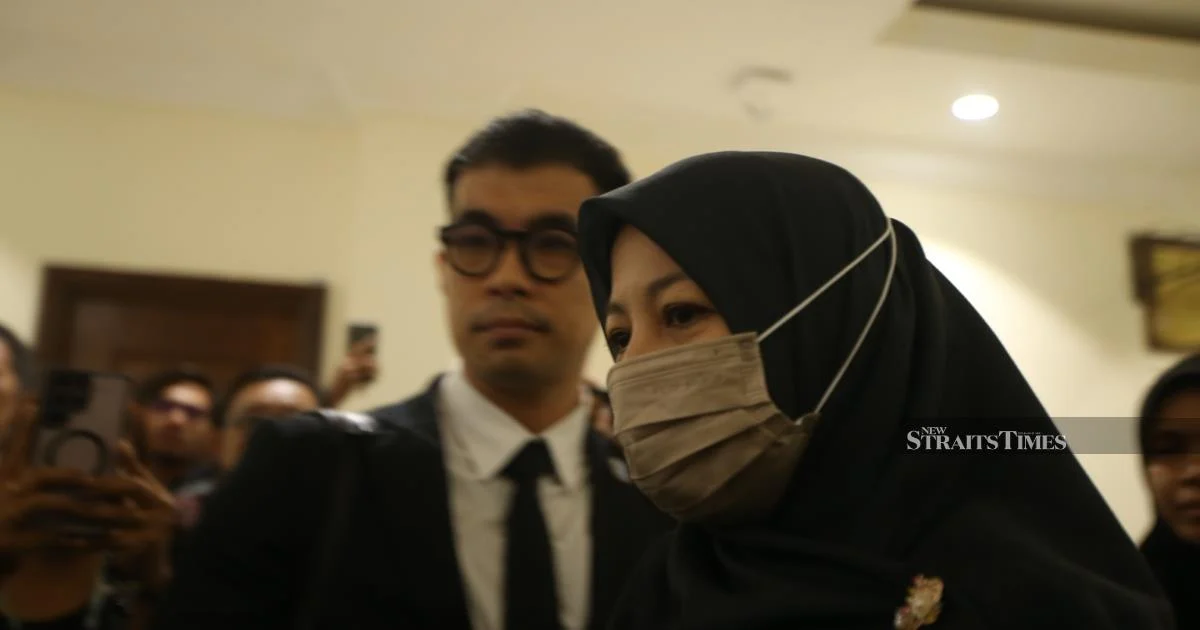
In a poignant moment during coroner's court proceedings held in Kota Kinabalu, Noraidah Lamat disclosed that she harboured deep reservations about the educational choice she had made for her daughter. The mother of the late Zara Qairinah Mahathir indicated to the court that she wished she had pursued an alternative schooling arrangement for her child, suggesting that her decision to enrol Zara at SMKA Tun Datu Mustapha had been a matter of considerable concern to her in retrospect.
The testimony emerged as the coroner's inquiry examined circumstances surrounding Zara Qairinah Mahathir's death, with the mother's statement providing significant insight into family concerns that may have preceded the incident. Noraidah Lamat's expression of regret before the court underscores the emotional weight of parental decision-making, particularly when placed in the context of a legal investigation into a student's death.
SMKA Tun Datu Mustapha, a prominent Islamic secondary school located in Sabah's capital, serves as an educational institution for students across the state. The school's name honours a significant historical figure in Sabah's development, and the institution has maintained a reputation as a centre for religious and secular education combined.
The coroner's court, tasked with establishing the circumstances, cause, and particulars of death, provides a formal mechanism through which family members can present evidence and testimony relevant to understanding what transpired. In this instance, Noraidah Lamat's regret statement appears to have been entered as part of the factual record being examined by the court.
Parental regret expressed in such formal legal settings often reflects broader concerns about institutional safety, pastoral care, or student welfare that may have surfaced either before or after an incident. The court's documentation of the mother's feelings forms part of the comprehensive examination required in coroner's inquiries, where every relevant detail contributes to the overall understanding of events.
The case reflects the profound responsibility parents shoulder when selecting educational institutions for their children. School choice decisions involve weighing numerous factors including academic reputation, facilities, discipline policies, and the overall environment they believe will best serve their child's development and wellbeing.
In Malaysia's educational context, where options range from national schools to religious schools to private institutions, parents often make decisions based on available information, recommendations, and their own priorities. When outcomes prove tragic or unexpected, the question of whether alternative choices might have altered circumstances naturally becomes a source of anguish for families.
The coroner's court serves as an important mechanism for public accountability and factual determination when deaths occur in institutional settings. Through systematic examination of evidence and testimony, these inquiries establish an official record that helps families and the wider community understand what happened and potentially what safeguards or improvements might be warranted.
Noraidah Lamat's testimony, while undoubtedly painful to deliver, contributes to the court's comprehensive understanding of Zara Qairinah Mahathir's circumstances. The formal recognition of the mother's regret in legal proceedings validates the emotional dimensions of loss while the inquiry continues to pursue factual clarity.
For Malaysian families considering school options, particularly in Sabah and throughout the country, such court cases serve as reminders of the importance of institutional oversight and the need for schools to maintain environments where students' physical and psychological safety receives paramount attention. Educational institutions bear responsibility for pastoral care that extends beyond academic instruction.

