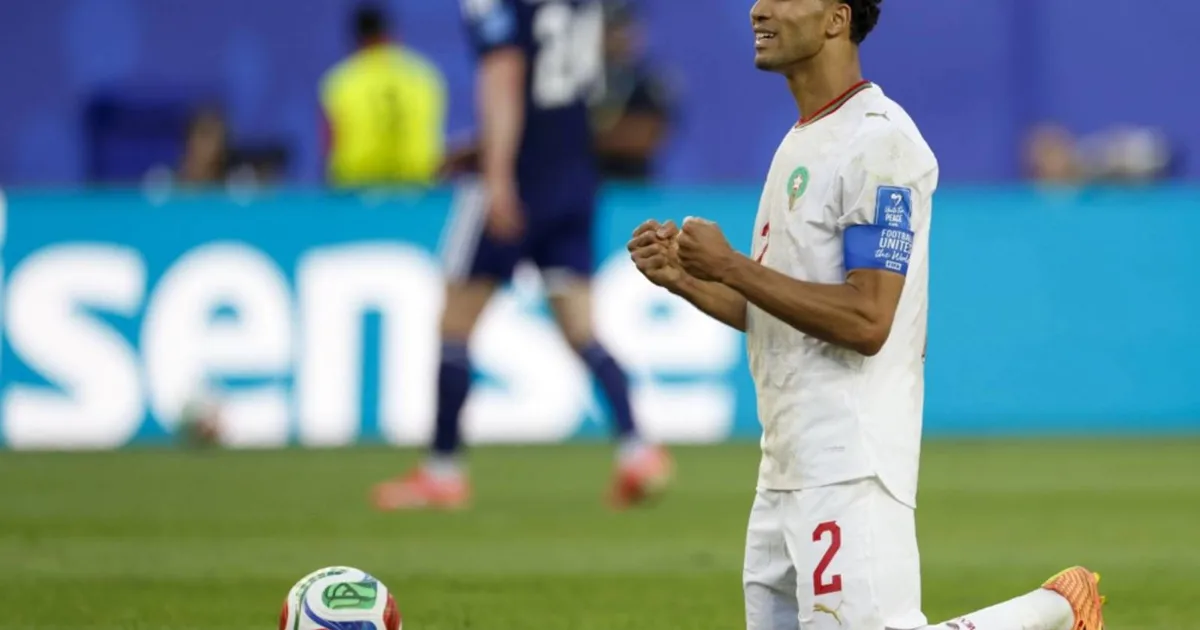
Achraf Hakimi is maintaining his composure as he prepares to face a rape trial, according to Morocco's World Cup coach, who has publicly backed the Paris Saint-Germain defender during an extraordinarily challenging period both on and off the pitch. The PSG player is contending with allegations connected to an encounter with a 24-year-old woman in the Paris region in 2023—accusations he has steadfastly rejected.
The situation represents a significant test for one of Africa's most accomplished footballers at a critical juncture in his career. Hakimi, who has established himself as a cornerstone defender for PSG and a vital player in Morocco's squad, now faces the prospect of navigating a complex legal process whilst maintaining professional focus. The timing compounds the challenge, as athletes typically require singular dedication to their sport when competing at the highest level.
Morocco's coaching staff has demonstrated organizational and personal solidarity with the player, signalling confidence that his temperament and mental fortitude remain intact. This support from the national team framework is particularly significant in the context of ongoing competition schedules and the psychological pressures inherent in elite international football. Hakimi's ability to separate his personal circumstances from his professional responsibilities will likely determine his trajectory over the coming months.
The allegations themselves relate to an incident in the Paris metropolitan area approximately two years prior, placing the matter firmly within French legal jurisdiction. The Parisian incident gave rise to formal charges, setting in motion a legal procedure that will require Hakimi's active participation. His absolute denial of the allegations establishes the fundamental basis from which his defence will proceed, and his legal team is preparing accordingly for courtroom proceedings.
PSG's handling of the situation reflects broader challenges facing elite European football clubs when players face criminal allegations. The French capital's premier club must balance its institutional reputation with principles of presumption of innocence, a balancing act that requires careful navigation. The club's position and Hakimi's continued participation in squad activities demonstrate that internal processes have allowed for his continued involvement, pending judicial determination.
For Malaysian and Southeast Asian observers, this situation underscores the intense scrutiny that operates around players performing at Europe's highest echelon. African talent, increasingly dominant in European professional football, faces particular attention when personal crises intersect with professional standing. Hakimi's prominence makes his circumstances matter beyond Morocco or France—his case will resonate across global football communities where young African athletes pursue continent-spanning careers.
The defender's psychological resilience becomes central to this unfolding narrative. Morocco's coach has effectively endorsed Hakimi's mental readiness to manage simultaneous pressures: defending his reputation, participating in legal proceedings, and maintaining athletic performance. This assessment carries weight coming from someone with daily access to the player's behaviour and demeanour. Professional athletes frequently demonstrate remarkable compartmentalization when confronting personal adversity, and the coaching staff's confidence suggests Hakimi has summoned such reserves.
The broader implications extend to how modern sport accommodates athletes facing serious allegations. Unlike previous eras when such matters remained largely privatized, contemporary transparency creates constant external examination. Every match becomes scrutinized not merely for tactical performance but as potential commentary on the player's state of mind. This fishbowl existence adds psychological dimensionality to an already complex situation.
Hakimi's situation also raises questions about the intersection of due process and professional opportunity. Presumption of innocence remains fundamental to justice systems, yet public perception often moves faster than legal proceedings. His ability to perform at elite levels whilst contesting serious allegations will test contemporary sport's capacity to maintain fairness and perspective. The footballer must essentially prove his worth on the pitch whilst simultaneously confronting challenges in courtrooms.
Looking forward, the trial's outcome will fundamentally reshape Hakimi's career trajectory regardless of the verdict's direction. Acquittal would permit professional rehabilitation and renewed focus on football; conviction would precipitate career-ending consequences. This binary outcome framework intensifies pressure on both his legal defence and his psychological equilibrium. Morocco's coaching staff's public expression of confidence thus assumes heightened significance as an endorsement of his capacity to withstand extended uncertainty.
The player's experience also contributes broader conversation within football regarding player welfare during crisis periods. Support mechanisms, mental health resources, and institutional backing become increasingly important when athletes navigate extraordinary challenges. Hakimi's status as an elite international player provides certain protections and resources unavailable to lesser-known competitors facing similar circumstances, highlighting structural inequities within professional sport.
Ultimately, Hakimi's journey through these proceedings will serve as a significant case study in how modern football accommodates serious allegations whilst maintaining both due process and professional continuity. His composure, his team's backing, and his continued performance metrics will collectively determine whether athletes can effectively compartmentalize crisis and competition. The coming months will test whether his psychological resilience matches the technical excellence that established his sporting reputation.

