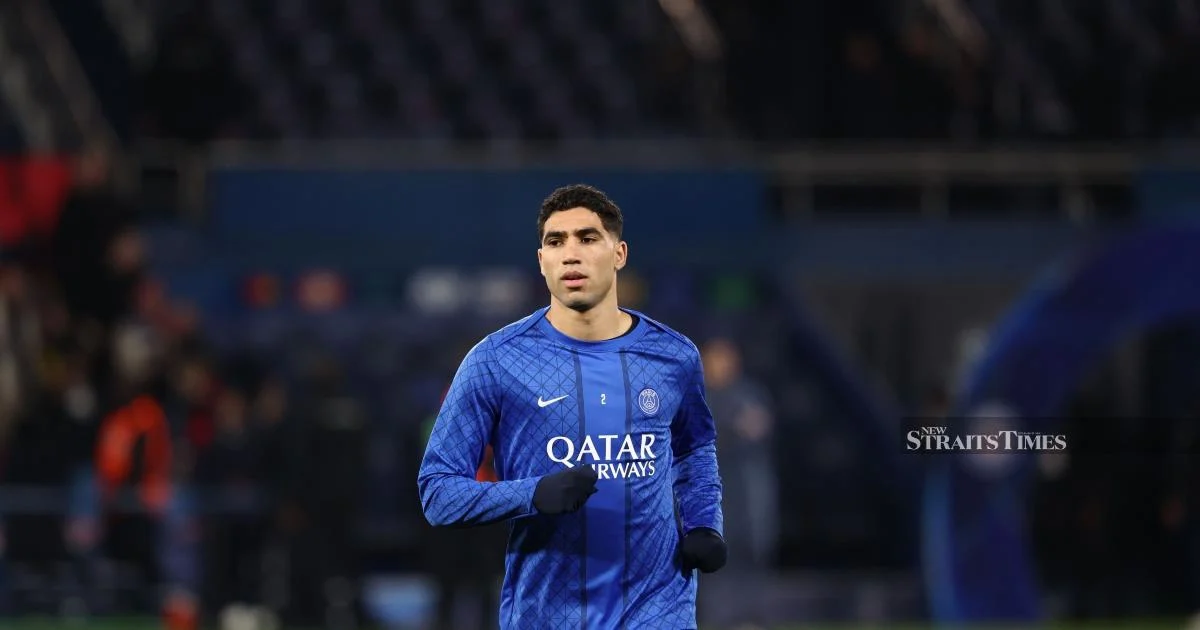
A Versailles appeals court has formally validated proceedings against Paris Saint-Germain defender Achraf Hakimi, ruling that the Moroccan international must face trial on allegations of sexual assault. The decision, delivered on Friday, represents a decisive moment in the closely-watched case and signals that French judicial authorities have concluded sufficient evidence exists to proceed toward a courtroom hearing.
The confirmation by the appeals court underscores the seriousness with which French prosecutors have treated the allegations. This type of ruling typically indicates that investigating magistrates have reviewed substantial material and determined there is a credible basis to bring the matter before a court. The specific nature of the charges—rape—is among the most grave in the French legal system, and such determinations do not come lightly in the French judicial process.
Hakimi's situation carries particular weight given his prominence in global football circles. The 25-year-old has established himself as one of the world's elite fullbacks, having played at the highest levels of European club football and represented Morocco on the international stage. His commercial value, public profile, and the platform his career provides make this case the subject of intense scrutiny both within sporting circles and among the broader French media landscape.
For Malaysian and Southeast Asian sports audiences, the case illustrates how elite athletes, regardless of nationality or cultural background, can face the full weight of law enforcement and judicial systems when serious allegations emerge. The decision also highlights the willingness of European justice systems to pursue cases involving prominent figures without special consideration for their celebrity status or sporting accomplishments.
The trial's progression will likely unfold over the coming months, involving detailed examination of evidence, witness testimony, and legal arguments. French trials of this nature typically proceed methodically through various procedural stages before reaching courtroom hearings. The appeals court's confirmation signals that preliminary investigative phases have concluded and that the case now moves into its next formal stage.
The development carries implications for PSG as an institution. The club faces questions about how to manage squad dynamics, public relations, and contractual matters while the legal situation remains unresolved. Major European football clubs have increasingly faced scrutiny regarding their handling of player misconduct allegations, making how PSG manages this period a matter of broader institutional concern.
In the wider context of professional football, this case adds to a pattern of high-profile allegations involving elite players across European leagues in recent years. The sport's governing bodies and major clubs have faced growing pressure to demonstrate robust processes for addressing allegations of misconduct, and cases such as Hakimi's remain subject to intense public examination.
The French legal system operates differently from those in most Commonwealth nations, which may be relevant context for Malaysian readers. French procedure emphasizes investigative phases conducted by magistrates before public trials occur. The confirmation by the appeals court essentially validates that investigation and determines the case has sufficient grounds to warrant trial. This represents a genuine legal threshold being crossed, not merely procedural machinery advancing automatically.
Morocco's perspective on the case also merits consideration. The nation has produced remarkable football talent in recent years, with the national team's 2022 World Cup campaign in Qatar capturing global attention. Hakimi was central to that achievement, and his legal troubles reflect complexities that arise when athletes from smaller footballing nations achieve prominence on the European club stage.
For the accused himself, the legal process ahead represents a substantial personal and professional ordeal. Trials involving serious allegations are inherently intense experiences that play out under intense media scrutiny. Regardless of eventual outcomes, the proceeding will consume considerable time and emotional energy while existing in the public record indefinitely.
The Versailles appeals court's decision now ensures that the matter will not be quietly resolved through pre-trial procedures or administrative dismissals. Instead, the case will proceed to a formal trial setting where evidence will be presented publicly and judicial determination will occur through established legal processes. This outcome, while not predetermined, commits the French legal system to adjudicating the matter through its standard trial mechanisms rather than allowing the allegations to remain in investigative limbo.
Fans of Moroccan football and those following PSG's competitive fortunes will monitor how the legal proceedings affect his availability and fitness. Professional athletes facing such circumstances often experience disruptions to their training regimens, mental focus, and overall performance capacity. The sporting implications of this case thus extend beyond the individual to affect team performance and competitive outcomes in one of Europe's most prominent football competitions.

