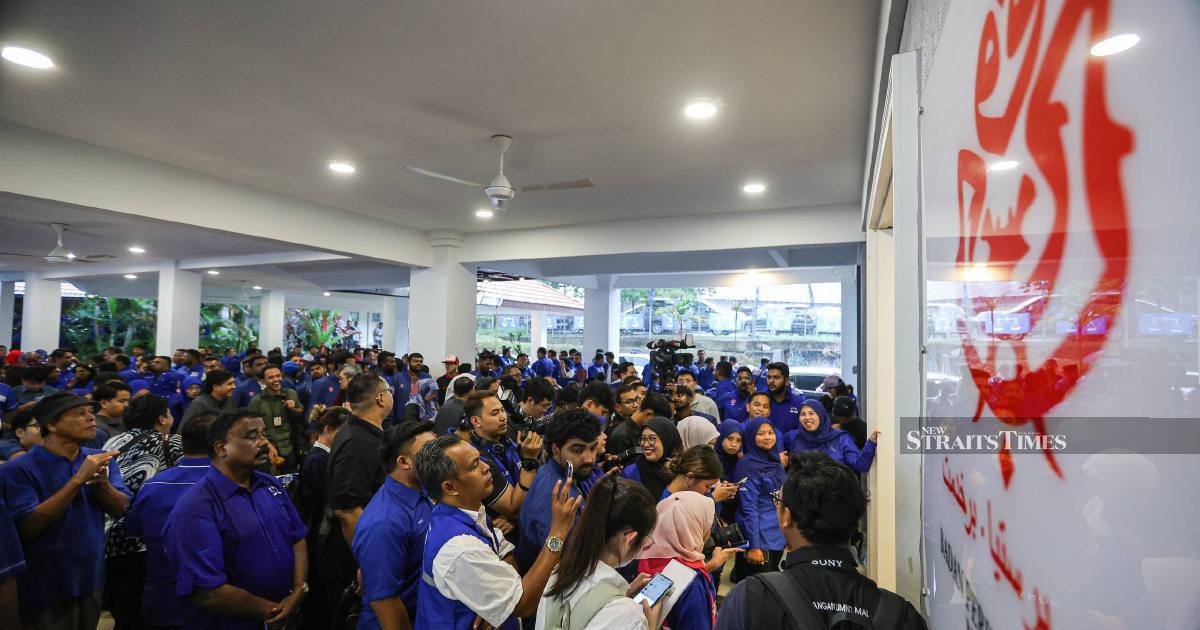
The Johor Umno headquarters in Johor Baru has transformed into a hub of political activity as Barisan Nasional readies itself for a critical phase of the state election cycle. Senior party figures and rank-and-file members have converged on the venue ahead of the formal candidate announcement for the 16th state election, generating palpable anticipation within Malaysia's longest-ruling coalition. The gathering reflects the coalition's determination to consolidate its position in Johor, a state that remains strategically vital to the broader political landscape in Malaysia.
The assembly of party luminaries, grassroots activists and ordinary supporters underscores the significance Barisan Nasional attaches to the forthcoming electoral contest. Johor has long served as a political powerhouse for the coalition, and maintaining dominance in the state remains essential to its national standing. The candidate announcement itself represents a critical juncture in the election timeline, as it will signal the coalition's strategic priorities and the balance of power within its constituent parties.
For Johor, state elections carry particular weight in the context of Malaysian politics. As the second-largest state by population and a major contributor to federal revenue, Johor's electoral outcome carries implications that reverberate throughout the political establishment. The state has consistently delivered strong support to Barisan Nasional in past contests, though recent election cycles have demonstrated that no outcome can be taken for granted in contemporary Malaysia.
The visible turnout of party supporters at the headquarters demonstrates the ground-level engagement that Barisan Nasional is attempting to cultivate ahead of polling day. In an era where political sentiment can shift rapidly, particularly among younger voters and urban constituencies, the coalition recognises the need to maintain robust party machinery and visible demonstrations of support. The gathering serves both a practical function—allowing the party to coordinate messaging around the candidate slate—and a symbolic one, reinforcing the coalition's narrative of broad-based support across Johor communities.
The selection of candidates itself carries profound implications for the direction of Johor politics over the next electoral cycle. These announcements will reveal which incumbent representatives the coalition plans to retain, which seats it considers competitive, and how it seeks to appeal to constituencies that have drifted away from traditional Barisan support. The candidate slate often reflects internal negotiations between Umno, which remains the dominant partner in Johor, and its coalition partners including MCA and MIC, as well as deliberations about generational renewal within the party.
Barisan Nasional's approach to the Johor election occurs against a backdrop of significant recent political turbulence in Malaysia. The coalition's ability to retain control of state governments and secure federal-level majorities has been tested repeatedly since 2018, prompting internal reforms and strategic reassessments. In Johor specifically, the party leadership will be acutely aware that electoral complacency—a factor that contributed to surprising results in other states—cannot be afforded.
The regional context adds another dimension to Johor's electoral significance. As a border state with Singapore and a major economic engine for the country, Johor attracts scrutiny from investors, civil society groups and international observers attentive to Malaysia's political stability. Election results in the state are often interpreted as barometers of the federal government's performance and public confidence, making the stakes genuinely high for all political contestants.
For supporters and party activists gathered at the headquarters, the candidate announcement represents a moment of formal commitment and public endorsement. The enthusiasm displayed at such gatherings is meant to energise party machinery for the campaign proper, though observers of Malaysian politics understand that initial excitement at party events does not always translate into sustained momentum on the ground. The quality of campaigning, the effectiveness of party messaging, and the ability to mobilise voters during the actual election period will ultimately determine outcomes.
As Barisan Nasional moves forward with its candidate announcements, it faces the challenge of appealing across Johor's diverse electoral landscape while maintaining party unity and managing expectations among different constituencies. The coming weeks will test whether the coalition can sustain the positive momentum evident at this gathering and convert it into electoral success. For Malaysian observers and political analysts, the Johor election will provide crucial data about the durability of Barisan Nasional's dominance and the state of political competition in the country.

