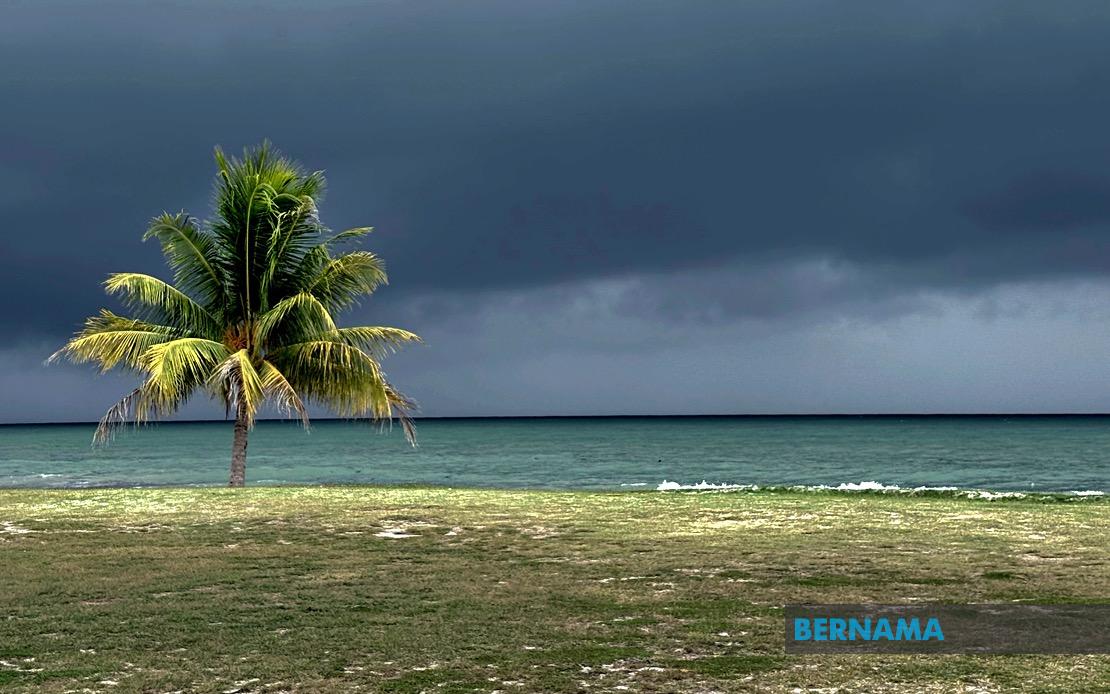
The Malaysian Meteorological Department has activated severe weather warnings across five states as thunderstorms and heavy rainfall sweep through key population centres and inland regions. The alert, issued on Tuesday afternoon, remains in effect until 11 pm, with meteorologists cautioning residents and motorists to prepare for sudden deterioration in conditions and hazardous road situations.
On the peninsula's east coast, the warning extends across significant portions of Kelantan and Terengganu, two states historically vulnerable to flash flooding and water surge events. MetMalaysia has specifically identified Kota Bharu, Bachok, Machang and Pasir Puteh in Kelantan as zones where intense electrical activity and downpours will likely manifest, potentially disrupting transportation networks and outdoor activities. In Terengganu, the Kemaman district has been singled out as a particular concern area.
Central Peninsular Malaysia faces equally serious threats, with Pahang's interior and coastal districts on high alert. The warning encompasses Jerantut, Temerloh, Maran and Kuantan, collectively representing substantial urban, industrial and agricultural zones where adverse weather poses operational and safety risks. These areas serve as vital transport corridors and commercial hubs, meaning any weather-related disruptions could affect wider regional connectivity.
On Borneo, Sarawak's Limbang division, specifically Lawas, has been flagged for similar severe weather impacts. This rural region in the state's northeast corner, whilst less densely populated than peninsula counterparts, remains strategically important for agricultural activities and cross-border movement with Brunei. The isolated geography of such areas can amplify the consequences of severe weather, potentially isolating communities temporarily.
Sabah's warning encompasses three distinct geographic zones reflecting the state's varied topography. The Interior division, encompassing Nabawan and Keningau, represents elevated and forested terrain where heavy rainfall can trigger landslides and forest runoff complications. The West Coast region around Ranau, positioned near Mount Kinabalu, experiences weather patterns influenced by mountainous geography, making precipitation particularly intense. Simultaneously, the Sandakan district on the northeast coast, including Tongod, Telupid, Beluran and Sandakan proper, represents coastal lowlands vulnerable to both heavy rain and wind-driven complications.
The concurrent activation of warnings across such geographically dispersed regions indicates a weather system of considerable scale and intensity. Rather than isolated thunderstorm cells, MetMalaysia's approach suggests a broader atmospheric disturbance affecting multiple weather zones simultaneously, potentially linked to monsoon patterns or inter-monsoon transition phenomena characteristic of Malaysia's tropical climate during this period.
Thunderstorms themselves present multifaceted hazards beyond rainfall alone. Associated phenomena—intense wind gusts, lightning strikes, hail in some instances, and sudden microbursts—create compound dangers for exposed populations, aviation operations, and maritime activities. Strong winds particularly threaten structures with inadequate securing mechanisms, vegetation, and outdoor infrastructure. For maritime operators, the combination of rough seas generated by wind and reduced visibility from heavy rain necessitates heightened caution or route postponement.
The evening timeframe of the warning extends through typical dinner and night-time hours, when many Malaysians are en route between workplaces and homes or engaging in evening activities. Commuters should anticipate congestion and exercise patience as heavy rainfall reduces visibility and traction, whilst simultaneous emergency response to weather-related incidents may temporarily occupy road authorities' attention. Workplace closures or early dismissals may be considered in affected regions.
Agriculturally, the timing carries mixed implications. Whilst substantial rainfall benefits drought-stressed crops and replenishes reservoirs, the intensity and associated wind can damage standing crops, particularly fruit-bearing species vulnerable to physical damage. Smallholder farmers in Pahang, Kelantan and Terengganu should consider protective measures for horticultural operations if time permits before conditions deteriorate.
Residents in low-lying areas throughout the five states should remain cognisant of flash-flood possibilities, particularly in urban zones where drainage infrastructure capacity may be exceeded during extreme rainfall events. Streams and rivers in forested catchments can swell rapidly, creating dangerous conditions for anyone near waterways. Authorities in Peninsular Malaysia have historically documented surge events affecting settlements in these very districts during similar weather episodes.
MetMalaysia's public alert system represents a critical early-warning mechanism allowing individuals and organisations to implement protective measures. Residents are advised to secure loose outdoor items, avoid unnecessary travel during peak conditions, refrain from swimming or water-based recreation, and monitor official weather updates for possible extension or relaxation of warnings. The 11 pm demarcation suggests meteorologists anticipate gradual system movement or dissipation through evening hours, though such forecasts remain subject to revision if conditions evolve unexpectedly.
For businesses and public services operating across these regions, contingency planning becomes essential. Supply chains may experience delays, whilst healthcare and emergency services should brace for increased call volumes. Educational institutions should assess whether attendance arrangements require adjustment to prioritise student and staff safety.

