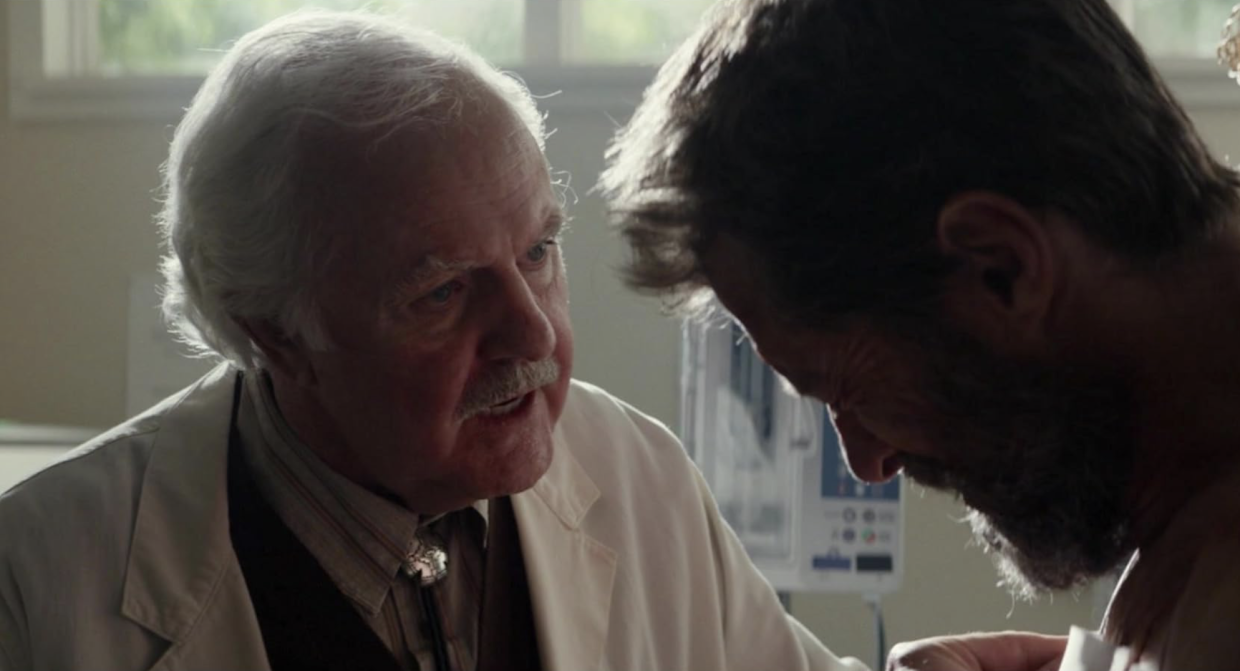
A Los Angeles Superior Court has ruled that Michael Gledhill, the 44-year-old man accused of fatally stabbing veteran character actor James Handy, lacks the mental competency required to face criminal prosecution. Judge Maria Cavalluzzi's determination on Monday effectively halts the immediate progression of the case toward trial, placing Gledhill into the mental health evaluation stream of the California court system instead.
The judge found that Gledhill cannot comprehend the nature and gravity of the charges he faces in connection with the death of the 81-year-old actor, whose long career encompassed numerous television and film roles spanning several decades. Beyond mere understanding of the allegations, Cavalluzzi also determined that Gledhill is incapable of rationally assisting his defence team or engaging meaningfully in his own legal strategy—a critical legal standard established to protect defendants' constitutional rights during prosecution.
The case had been initially halted during Gledhill's scheduled arraignment on June 5, when a judge transferred it to a specialized mental health court for psychiatric evaluation. That court completed its assessment and issued findings of incompetency, which Cavalluzzi's Monday hearing formalized. The ruling reflects concerns about whether Gledhill's mental state would prevent him from receiving a fair trial or even understanding the proceedings occurring around him.
Beyond competency questions, the judge addressed Gledhill's capacity to make informed medical decisions. Cavalluzzi signed an order authorizing involuntary medication for a period of one year, acting on psychiatric testimony that appropriate pharmaceutical intervention could substantially improve his mental health condition. This authorization represents a significant legal intervention, as involuntary medication remains a contested practice requiring judicial approval and specific findings about necessity.
Gledhill's involvement in the case began when police responded to a call from his mother's home. The 911 caller, identified as Gledhill himself, made cryptic statements to emergency services: "I am the son of man, I just killed the man of sin." Gledhill subsequently confirmed his identity to responding officers and indicated his desire to be apprehended. He has not yet entered a formal plea to the charges.
Judge Cavalluzzi scheduled a further court appearance for July 14, at which the hearing will focus on determining appropriate long-term placement for Gledhill. This placement decision could involve psychiatric hospitalization, residential mental health facilities, or other forms of supervised care. The trajectory of his criminal case remains conditional: should psychiatric treatment and evaluation later determine that Gledhill has regained or achieved sufficient mental competency, the case would resume and proceed toward trial.
Insights into Gledhill's background have emerged through statements from those close to the situation. Brian Delate, a longtime colleague and friend of Handy's who worked alongside him in the entertainment industry, told media outlets that Gledhill's mother had converted her garage into living quarters for her son. Though Handy maintained his own residence, he spent considerable time at the mother's home, suggesting the two households were closely connected. Delate recounted that Handy had mentioned in conversation that his girlfriend's son—evidently referring to Gledhill—had experienced mental health difficulties.
The tragic circumstances highlight the intersection of mental illness, family relationships, and sudden violence that periodically emerges in high-profile cases. Gledhill's apparent acknowledgment of the act during the emergency call, combined with swift psychiatric evaluation findings, suggests a case where questions of culpability become inseparable from fundamental questions about mental fitness. The mental health court process in California is designed specifically to address such situations, attempting to balance public safety, protection of defendants' rights, and appropriate treatment interventions.
James Handy's death represents the loss of an actor who maintained a sustained presence in American television and cinema for decades. Character actors like Handy, though often overshadowed by leading roles, form the backbone of narrative storytelling across film and television, lending credibility and depth to countless productions. His presence in the entertainment industry spanned an era when television was expanding as a medium, and he accumulated credits reflecting the breadth of American dramatic output.
The legal proceedings now center on whether Gledhill can ever be made competent to stand trial, a threshold that varies depending on judicial and psychiatric assessment. The July 14 hearing will provide additional information about whether long-term residential or hospital-based treatment is deemed necessary. For the criminal justice system, such cases pose persistent challenges about the appropriate response when severe mental illness appears to precipitate violent acts.
Attorneys for both the prosecution and defence have not yet publicly commented on the ruling or the anticipated course of the case. Their responses at subsequent hearings may provide additional clarity about how the prosecution intends to proceed, whether through continued fitness evaluation efforts or other legal mechanisms available under California law. The coming months will likely see further psychiatric assessments and judicial determinations about whether Gledhill's mental state might eventually improve to the point where criminal proceedings could resume.

