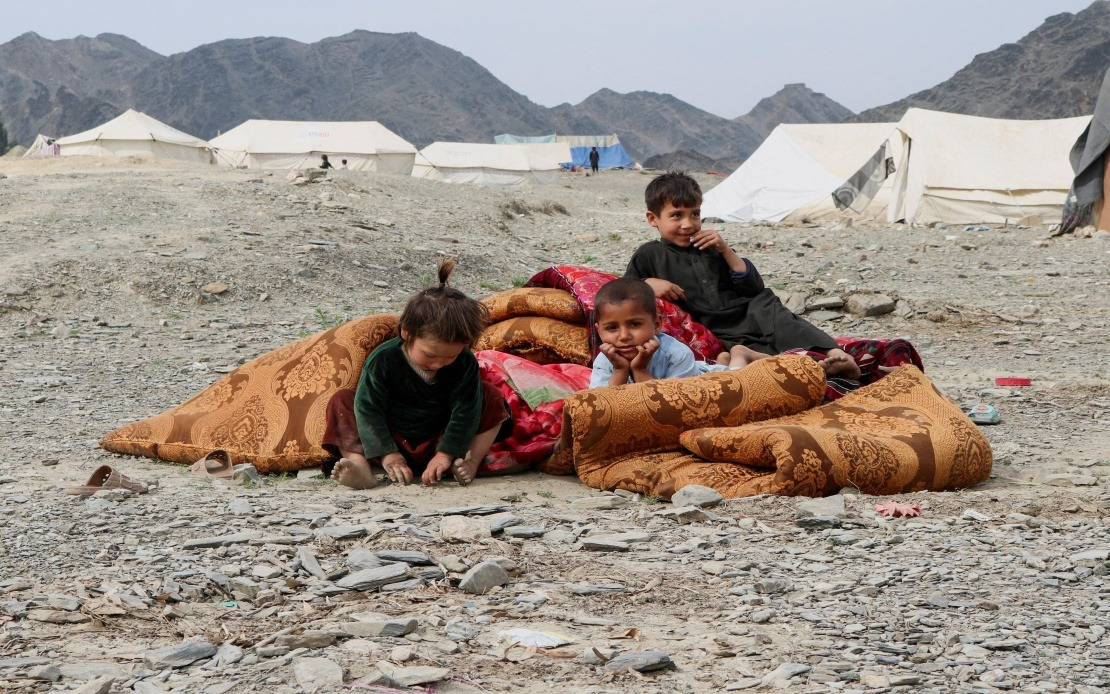
The humanitarian situation for children in southern Afghanistan has deteriorated markedly, with Doctors Without Borders reporting a concerning 30 per cent jump in malnutrition cases during the opening three months of 2024 compared to the same timeframe in 2023. The spike, documented across nutrition support facilities operated by the international charity in the region, underscores the deepening vulnerability of Afghanistan's youngest and most defenceless population amid a cascade of economic and political crises.
Most alarming is the profile of affected children: the overwhelming majority are infants under twelve months old, entering MSF facilities in severe distress and already suffering from preventable complications that could have been avoided through early detection and intervention. Ana Lilia Banda, who coordinates medical operations for MSF in southern Afghanistan, expressed grave concern about the timing of interventions, noting that children frequently arrive at treatment centres when their conditions have progressed beyond manageable stages. This pattern suggests that families are either unable to recognise warning signs or lack access to basic healthcare facilities capable of identifying malnutrition during its earlier, more treatable phases.
The deterioration of Afghanistan's healthcare infrastructure represents a critical factor in the crisis. Since international donor nations substantially withdrew funding commitments following the Taliban's return to power in August 2021, the closure of clinics and health posts across the country has created substantial gaps in preventive care networks. Where mothers and caregivers once had local access to growth monitoring, vaccination programmes, and nutritional counselling, many communities now lack any formal health services. This fragmentation of the healthcare system means that malnutrition often progresses undetected until children reach life-threatening stages, forcing desperate families to seek emergency care at the few remaining functional facilities.
Environmental pressures compound the medical emergency. Afghanistan's cycle of droughts has intensified food insecurity across vulnerable populations, particularly in the agricultural south where families depend heavily on seasonal harvests. Recurring water scarcity and failed crops have reduced household food production and depleted what modest savings many families possessed. For households already struggling with poverty exacerbated by economic collapse, drought transforms adequate nutrition from a realistic goal into an unattainable luxury. Young children, whose developmental needs require consistent caloric and micronutrient intake, suffer disproportionately when household food becomes scarce.
The withdrawal of international humanitarian support has reshaped the landscape of aid delivery throughout Afghanistan. Major donor countries that previously channelled substantial resources toward healthcare, nutrition programmes, and food assistance have drastically scaled back commitments, reflecting political reluctance to provide substantial aid to Taliban-administered government structures. This funding collapse has forced the closure of nutrition centres, mobile clinics, and health education initiatives that had previously formed the foundation of early detection and prevention efforts. MSF and similar organisations now operate with severely constrained resources, unable to expand services to meet the surging demand they are witnessing.
The Taliban administration has publicly committed itself to protecting children's rights and addressing the humanitarian emergency, with Hamdullah Fitrat, deputy spokesman for the Taliban government in Kabul, reiterating these pledges through Afghan media outlets. However, the capacity of the Taliban-led government to implement substantive improvements remains severely limited by its international isolation and the persistent flight of qualified personnel from Afghanistan's public institutions. The disconnect between stated commitments and operational capacity reflects the structural challenges facing any administration operating under intense international sanctions and diplomatic pressure.
International diplomatic engagement on Afghanistan remains tentative and conditional. The first official technical-level discussions between Taliban representatives and the European Commission, conducted in Brussels earlier this week, focused primarily on migration management and the deportation of Afghans rather than humanitarian assistance or reconstruction support. This emphasis signals that international governments continue to prioritise border control and population movement over addressing the medical catastrophe unfolding within Afghanistan's borders. Such prioritisation raises uncomfortable questions about international responsibility toward civilian populations affected by geopolitical decisions and sanctions regimes.
For Southeast Asian nations, the Afghan malnutrition crisis carries implications beyond immediate humanitarian concern. The region hosts significant Afghan refugee and migrant communities, and the deteriorating conditions at home intensify pressure on migration routes through Central Asia and toward Pakistan and Iran. Thailand, Malaysia, and Indonesia have all encountered Afghan asylum seekers and irregular migrants in recent years, and the worsening humanitarian situation will likely increase irregular movement attempts. Additionally, the collapse of healthcare and nutrition systems in Afghanistan serves as a cautionary example of how rapid geopolitical shifts and aid withdrawal can devastate public health infrastructure, a lesson particularly relevant to developing nations throughout Asia concerned about similar scenarios.
The malnutrition crisis also reflects broader questions about the effectiveness of international sanctions and isolation policies. While intended to pressure the Taliban toward democratic governance and human rights compliance, these measures have severely constrained the Taliban government's ability to provide basic services to civilians. The suffering of Afghan children represents a human cost of international pressure that extends far beyond political actors. This tension between diplomatic objectives and humanitarian consequences remains largely unresolved, with vulnerable populations bearing the heaviest burdens while negotiations proceed slowly.
The medical evidence gathered by MSF and other humanitarian organisations provides concrete documentation of a deepening crisis that transcends political messaging and diplomatic statements. A 30 per cent increase in child malnutrition cases, concentrated among the most vulnerable age group, suggests that conditions have crossed thresholds that demand urgent international response. The pattern of late-stage presentations indicates systemic failure in basic healthcare delivery and family-level food security simultaneously. Without substantial restoration of humanitarian funding, expansion of nutrition and healthcare services, and improvement in household food availability, the trajectory suggests further deterioration in coming months.

