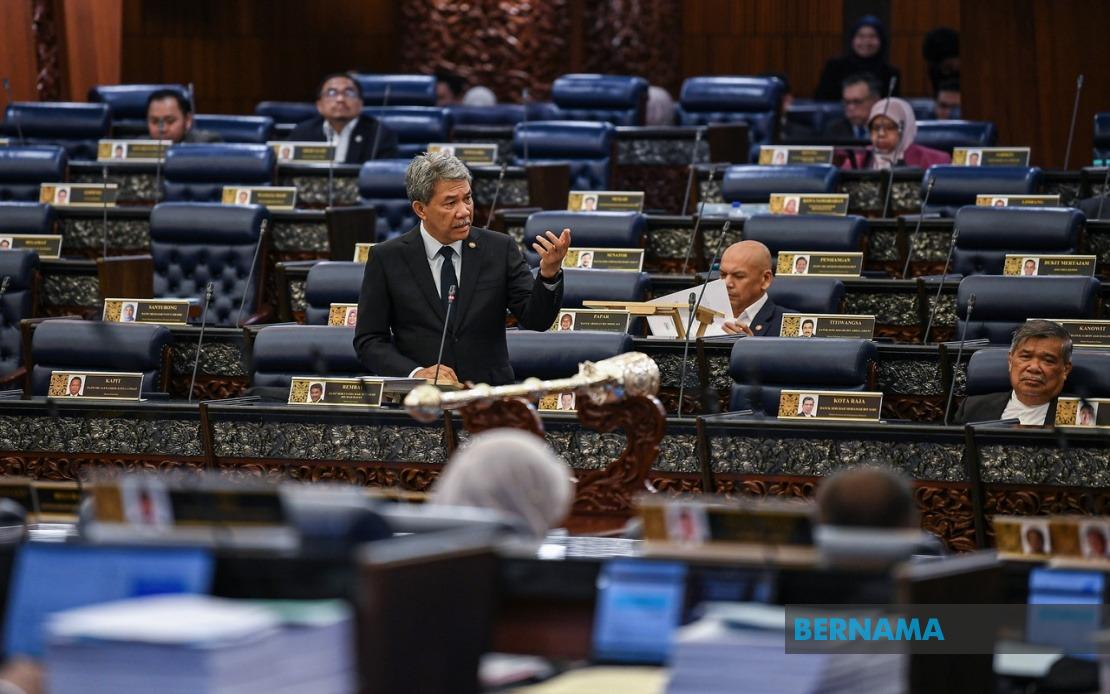
Foreign Minister Datuk Seri Mohamad Hasan has firmly dismissed concerns about the handling of Malaysia's Humanitarian Trust Fund for the People of Palestine (AAKRP), assuring Parliament that the mechanism operates under full government control with comprehensive safeguards in place. Speaking during Question Time in the Dewan Rakyat on June 23, Mohamad emphasised that the fund is not an independently operated account but rather a government-managed trust arrangement subject to multiple layers of oversight and regular scrutiny. The clarification came in response to queries about the delivery mechanism for humanitarian assistance destined for Palestinians, reflecting growing public interest in how Malaysia's aid commitments are administered.
The Foreign Ministry's oversight framework incorporates several accountability mechanisms designed to ensure donor confidence and recipient trust. Audits conducted by Malaysia's Auditor-General represent a cornerstone of this oversight architecture, providing independent verification of fund management practices. Additionally, the ministry maintains a reporting structure that keeps the Cabinet regularly informed of fund status and disbursement activities. This multi-tiered approach reflects international best practices for humanitarian aid administration, particularly relevant given the sensitivity surrounding assistance to conflict-affected populations. The emphasis on government control rather than delegation to external organisations underscores Malaysia's commitment to maintaining full responsibility for the aid channel.
Mohamad stressed that the distribution network for Malaysian humanitarian assistance involves established international and regional organisations with proven track records in delivering aid effectively. The United Nations Relief and Works Agency for Palestine Refugees in the Near East (UNRWA) serves as a primary conduit, leveraging its extensive operational infrastructure and field presence throughout Palestinian territories. Complementing this arrangement, Malaysia channels assistance through the Jordan Hashemite Charity Organisation (JHCO), the Palestine Red Crescent Society, and King Hussein Hospital, creating a diversified delivery system that reduces dependency on any single channel and enhances redundancy. These partner organisations bring institutional credibility and established relationships with recipient communities, facilitating more efficient and targeted assistance provision.
Beyond financial transfers, Malaysia has demonstrated its commitment through tangible shipments of humanitarian goods directly addressing acute Palestinian needs. Food supplies and medical aid represent priority items given the deteriorating conditions in Gaza, where civilian populations face severe shortages of essential commodities. Health equipment donations assume particular significance given widespread reports of damaged medical facilities and overwhelmed healthcare infrastructure. The Foreign Minister disclosed that several earlier consignments had experienced delays but have now successfully reached their destinations following reopening of overland humanitarian routes. This logistical achievement required coordination with the Egyptian government, highlighting the importance of regional cooperation in sustaining aid flows to Gaza during ongoing conflict.
The humanitarian landscape in Gaza has deteriorated dramatically, with civilian infrastructure bearing the brunt of prolonged military operations. Hospitals, educational institutions, and religious facilities have suffered extensive damage, constraining the basic services that civilian populations depend upon for survival and dignity. This infrastructure destruction compounds the challenges faced by humanitarian organisations attempting to deliver assistance, as damage to health facilities directly impacts the efficacy of medical aid programmes. Schools damaged or destroyed restrict educational continuity for Palestinian children, while destroyed places of worship affect community cohesion and psychological resilience. The cumulative effect of this infrastructure damage means that humanitarian assistance must increasingly focus not only on immediate relief but also on supporting restoration efforts.
The Foreign Minister's parliamentary statement appears designed to counter misinformation circulating on social media platforms regarding AAKRP management. Mohamad cautioned the public against accepting unverified claims about fund misappropriation or mismanagement distributed through online channels. He stressed that professional and responsible administration characterises the fund's operation, with established protocols ensuring that resources reach intended beneficiaries rather than being diverted or lost to inefficiency. This emphasis on countering false narratives reflects a broader challenge confronting humanitarian organisations globally, where social media amplifies unsubstantiated allegations and erodes public confidence in aid mechanisms. The government's proactive approach to addressing such claims demonstrates awareness of reputational risks and commitment to maintaining public trust in Malaysia's humanitarian commitments.
For Malaysian taxpayers and citizens concerned about charitable contributions, the assurances provided by the Foreign Ministry offer concrete mechanisms for verifying fund integrity. The combination of Auditor-General oversight and Cabinet reporting creates a governmental accountability structure accessible to parliamentary scrutiny and public information requests. This transparency framework distinguishes government-managed trust accounts from private charitable arrangements, offering legal protection and institutional guarantees that funds are utilised for stated purposes. The reliance on established international and regional humanitarian organisations further provides external validation of aid delivery effectiveness, as these organisations themselves face scrutiny from their parent agencies and international donors.
The timing of the Foreign Minister's clarification reflects Malaysia's ongoing diplomatic engagement with Palestinian issues and humanitarian crises affecting Muslim-majority populations. Malaysia has historically positioned itself as a vocal advocate for Palestinian rights and has consistently allocated resources to support Palestinian communities. This commitment transcends temporary political cycles and reflects deep institutional and societal consensus regarding Malaysia's responsibility to assist vulnerable populations facing humanitarian crises. The AAKRP represents one formal mechanism through which this commitment manifests, embedded within Malaysia's foreign policy architecture and budgetary allocations.
For regional observers, Malaysia's approach to Palestinian aid administration offers insights into how Southeast Asian nations balance humanitarian impulses with fiscal responsibility and institutional accountability. The emphasis on transparent management and independent auditing demonstrates that commitment to humanitarian causes need not conflict with sound financial governance. Other ASEAN nations facing similar pressures to demonstrate aid effectiveness while maintaining public support for humanitarian initiatives may find Malaysia's multi-layered oversight model instructive. The involvement of established international organisations alongside regional partners also reflects a pragmatic recognition that effective humanitarian response requires leveraging existing institutional capacity rather than creating parallel mechanisms.

