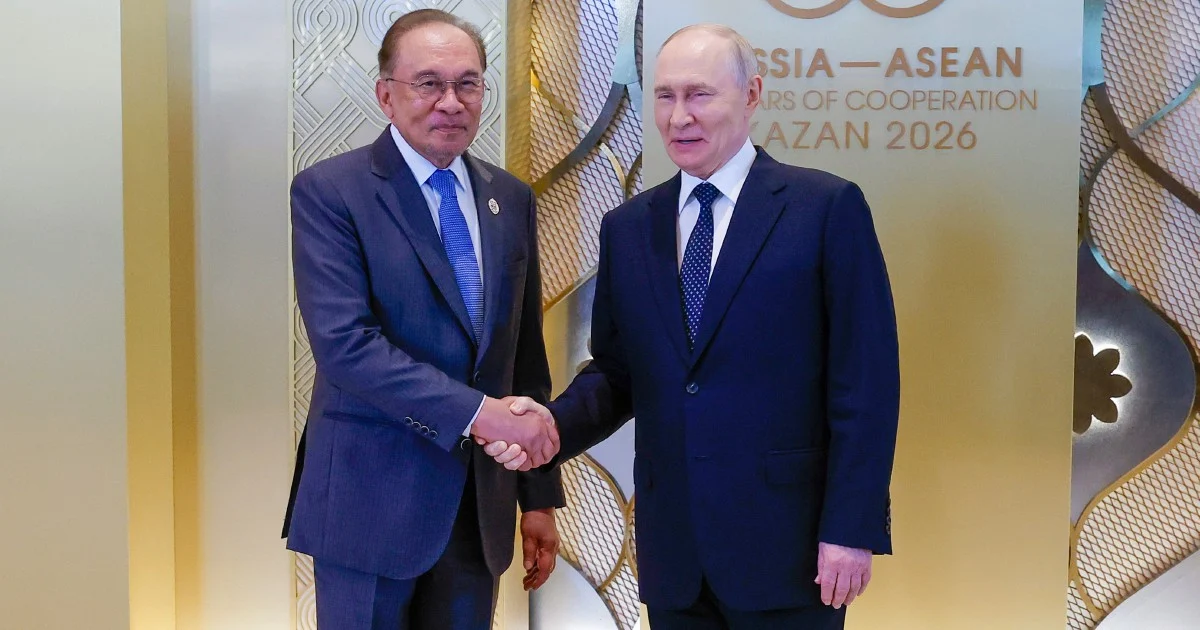
Prime Minister Datuk Seri Anwar Ibrahim's recent diplomatic missions to Russia and Turkmenistan represent a calculated pivot toward diversifying Malaysia's energy suppliers and reducing vulnerability to market volatility in traditional sourcing regions. The visits, welcomed by BRICS International Malaysia, underscore Kuala Lumpur's strategic recognition that energy security remains foundational to sustained economic development and regional stability.
Malaysia's energy landscape has traditionally centred on regional sources and Middle Eastern suppliers, creating inherent exposure to geopolitical disruptions and price shocks that can destabilise domestic industries and household finances. By cultivating closer ties with Russia and Turkmenistan—both significant hydrocarbon exporters with substantial reserves—the Malaysian government is pursuing a pragmatic hedging strategy that extends the nation's procurement options across multiple continents and reduces structural dependency on any single supplier or region.
Russia possesses the world's largest natural gas reserves and ranks among the top oil producers globally, while Turkmenistan commands Central Asia's third-largest proven gas reserves and sits astride crucial transit corridors linking the Caucasus to Asian markets. Both nations have faced international sanctions and market pressures that have motivated them to seek reliable customers outside traditional Western markets, creating mutual incentive for long-term commercial partnerships with Asian economies like Malaysia.
The timing of Anwar's visits carries particular significance given recent volatility in global energy markets. Elevated oil prices, supply chain fragmentation following geopolitical tensions, and the transition toward renewable energy have compelled energy-importing nations to secure stable, competitively priced supplies through bilateral arrangements. Malaysia, as a developing economy heavily reliant on petroleum revenues and energy-intensive manufacturing, faces acute pressure to maintain affordable fuel access while managing inflationary pressures on consumers and businesses.
Energy security considerations have historically ranked alongside trade and investment as pillars of Malaysia's foreign policy. The nation imports significant quantities of liquefied natural gas and crude oil to meet industrial and consumer demand, making strategic supply diversification integral to long-term economic planning. Enhanced cooperation with Russia and Turkmenistan potentially unlocks alternative procurement channels, reduces logistics costs through varied transportation routes, and strengthens Malaysia's negotiating position with incumbent suppliers.
The oil and gas sector underpins Malaysia's revenue base and fuels petrochemical industries that generate employment and export earnings. State-owned Petronas, the national petroleum corporation, has previously explored partnerships across diverse geographies to sustain production volumes and maintain technological competitiveness. Bilateral engagement at the prime ministerial level signals institutional commitment to facilitating commercial negotiations between Petronas and counterpart entities in Moscow and Ashgabat, potentially resulting in exploration contracts, joint ventures, or long-term purchase agreements.
Beyond immediate energy transactions, the diplomatic outreach builds broader economic architecture linking Malaysia to Central Asian and Eastern European markets. Trade relationships forged through energy cooperation frequently expand into manufacturing partnerships, technology transfer, and investment flows. Russian and Turkmen enterprises may find Malaysia's manufacturing base and regional market access attractive, while Malaysian businesses gain entry to Central Asian supply chains and investment opportunities.
For Southeast Asia more broadly, Malaysia's energy diplomacy carries regional implications. The Association of Southeast Asian Nations collectively consumes substantial petroleum and gas volumes, yet individual members possess limited reserves relative to demand. Malaysia's efforts to establish reliable international supply chains create potential spillover benefits—neighbouring countries may negotiate parallel agreements or benefit from increased regional supply availability. This diversification strengthens ASEAN's collective energy resilience against future supply disruptions.
The visits also reflect Malaysia's balancing act within geopolitical competition between Western powers and alternative blocs. Malaysia maintains formal non-alignment principles whilst pragmatically engaging all major powers to advance national interests. Strengthening ties with Russia and Turkmenistan does not diminish relationships with traditional partners but rather positions Malaysia as genuinely non-aligned and capable of maintaining independent foreign policy. This approach enhances Malaysia's diplomatic leverage and attracts investment from nations seeking partnerships with countries perceived as genuine neutrals.
Energy transition dynamics shape the long-term calculus underlying these partnerships. Whilst global decarbonisation trends accelerate renewable energy adoption, fossil fuel demand in Asia remains robust, particularly in industrial and transportation sectors. Russia and Turkmenistan face declining demand in traditional European markets, intensifying their interest in Asian buyers. Malaysia's engagement reflects realistic assessment that hydrocarbon consumption will remain significant for decades whilst clean energy infrastructure develops—a pragmatic acknowledgment that energy security requires both conventional and renewable sources throughout transitional periods.
The strategic partnerships forged through Anwar's visits require institutional follow-up and commercial execution. Success depends on Petronas negotiating commercially viable contracts, securing competitive pricing, and establishing reliable supply logistics. Governmental diplomatic achievement translates into tangible benefits only when private sector entities consummate agreements reflecting mutual economic advantage.
Looking forward, Malaysia's deepened engagement with Russia and Turkmenistan exemplifies how developing economies navigate contemporary energy challenges through creative diplomacy and strategic partnership diversification. Rather than passive reliance on established suppliers, active engagement across multiple supplier nations enhances autonomy and reduces vulnerability. The outcomes of Anwar's visits position Malaysia favourably to address energy requirements whilst maintaining geopolitical flexibility and advancing broader economic partnerships across diverse regions.

