%22%2F%3E%3C%2Fpattern%3E%3C%2Fdefs%3E%3Crect%20width%3D%22100%25%22%20height%3D%22100%25%22%20fill%3D%22url(%23ph1epf4g)%22%2F%3E%3Crect%20width%3D%22100%25%22%20height%3D%22100%25%22%20fill%3D%22url(%23ph1epf4p)%22%2F%3E%3Ctext%20x%3D%2250%25%22%20y%3D%2250%25%22%20text-anchor%3D%22middle%22%20dominant-baseline%3D%22central%22%20fill%3D%22rgba(255%2C255%2C255%2C0.95)%22%20font-family%3D%22Georgia%2C%20'Times%20New%20Roman'%2C%20serif%22%20font-weight%3D%22700%22%20font-size%3D%22170%22%20letter-spacing%3D%22-0.02em%22%3EMalaysia%3C%2Ftext%3E%3C%2Fsvg%3E)
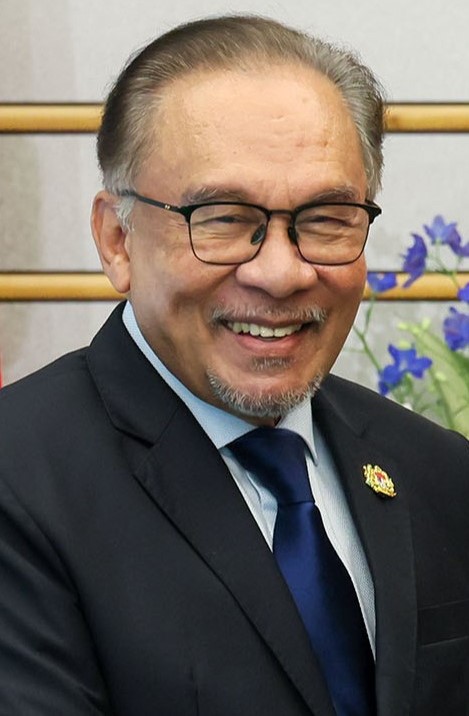
Prime Minister Datuk Seri Anwar Ibrahim delivered a pointed message to European powers on June 19, cautioning that developing nations will not tolerate asymmetrical trade relationships and will look beyond traditional Western partnerships if treated inequitably. The warning underscores Malaysia's growing assertiveness in international trade negotiations and reflects broader frustrations within the Global South over economic arrangements that many view as perpetuating colonial-era power imbalances.
Anwar's remarks signal a strategic shift in Malaysia's diplomatic posture, particularly as Kuala Lumpur strengthens ties with Asian economies and emerging markets. The statement arrives amid ongoing tensions between developed and developing nations over climate financing, technology transfer, and market access—issues that have become flashpoints at multilateral forums. By publicly articulating this position, Anwar is both reasserting Malaysia's agency in shaping its economic future and positioning the country as a voice for developing-world interests in global trade discussions.
The Prime Minister's intervention reflects mounting frustration among Southeast Asian leaders over what they perceive as inconsistent application of free trade principles by wealthy nations. While developed economies preach the virtues of open markets, developing countries argue they face protectionist barriers in agriculture, manufactured goods, and services sectors. Malaysia, as a significant exporter of palm oil, electronics, semiconductors, and energy products, has particular interest in transparent, non-discriminatory trade regimes that do not subject developing-nation exporters to disproportionate regulatory burdens or tariff structures.
For Malaysia specifically, this message carries particular resonance. The country has long balanced relationships between Western partners and Asian trading blocs, and Anwar's warning suggests patience for this balancing act is wearing thin. Kuala Lumpur has invested heavily in regional frameworks such as the Regional Comprehensive Economic Partnership (RCEP) and deepened economic ties with China, India, and other Asian powers. If European nations impose conditions Malaysia views as unfair, the implicit threat is that Kuala Lumpur will redirect its trade and investment priorities toward these alternative partnerships where terms are perceived as more equitable.
The timing of Anwar's statement is significant. Global economic conditions remain fragile, with developed nations facing inflation and slower growth, while many developing countries struggle with debt burdens and currency volatility. In this environment, developing nations possess greater leverage than in previous decades, given their collective market size, resource endowments, and manufacturing capacity. Anwar's warning appears calculated to remind European policymakers that complacency about maintaining preferential access to Asian markets is misplaced.
European nations have sought to strengthen economic ties with Asian partners through various mechanisms, including trade agreements and investment initiatives, often framed around shared values and democratic governance. However, developing-world leaders increasingly question whether these arrangements genuinely benefit both parties or primarily serve to extend Western economic influence. Anwar's comments suggest Malaysia will not accept frameworks that impose developmental constraints or appear designed to limit the country's industrial upgrading and economic sovereignty.
The broader context for Anwar's remarks includes ongoing disputes over environmental standards, labour practices, and corporate governance that wealthy nations increasingly attach to trade agreements. While these concerns merit serious engagement, developing countries contend that imposing stringent requirements as trade conditions effectively locks poorer nations into lower-value production roles. Malaysia has experienced this dynamic repeatedly, facing pressure to implement regulations that, while legitimate on their merits, would increase production costs and potentially transfer manufacturing to other jurisdictions without resolving underlying environmental or social issues.
Regionally, Anwar's position resonates with sentiments expressed by other Southeast Asian leaders who increasingly view China and India not merely as strategic competitors but as legitimate economic partners offering terms comparable to, or occasionally more favourable than, those available from Western nations. This rebalancing of economic relationships reflects genuine shifts in global power distribution and capital flows, not merely political posturing. European leaders dismissing Anwar's warning as rhetorical would be imprudent, given the tangible policy decisions Malaysia has already made in favour of Asian-focused economic engagement.
For Malaysia's economy, the implications are substantial. The country could benefit from diversifying export markets and investment sources, reducing dependence on any single bloc while maintaining pragmatic relationships across multiple economic partnerships. However, this strategy requires clarity from European counterparts about what terms they are willing to offer. If Europe's vision of engagement with Asia involves structural inequality or conditions Kuala Lumpur deems unacceptable, Malaysia retains the option of prioritising partnerships that align better with national interests.
Anwar's warning should also be understood as part of Malaysia's broader diplomatic agenda under his leadership—reasserting the country's centrality within Southeast Asia and positioning it as an articulate advocate for developing-world perspectives in global forums. By framing Malaysia's position in terms of universal principles of fairness and mutual respect rather than narrow national interest, Anwar appeals both to domestic constituencies and to the broader coalition of developing nations increasingly questioning post-Cold War economic arrangements.
Moving forward, European policymakers would be wise to engage seriously with Anwar's message. The window for reinforcing partnerships based on historical relationships or assumed Western superiority is closing. Southeast Asian nations, led by voices like Anwar's, are signalling that future engagement must be premised on genuine equality, transparency, and mutual benefit. How Europe responds to this recalibration of expectations will substantially influence its economic footprint in Asia's rapidly expanding markets over the coming decade.