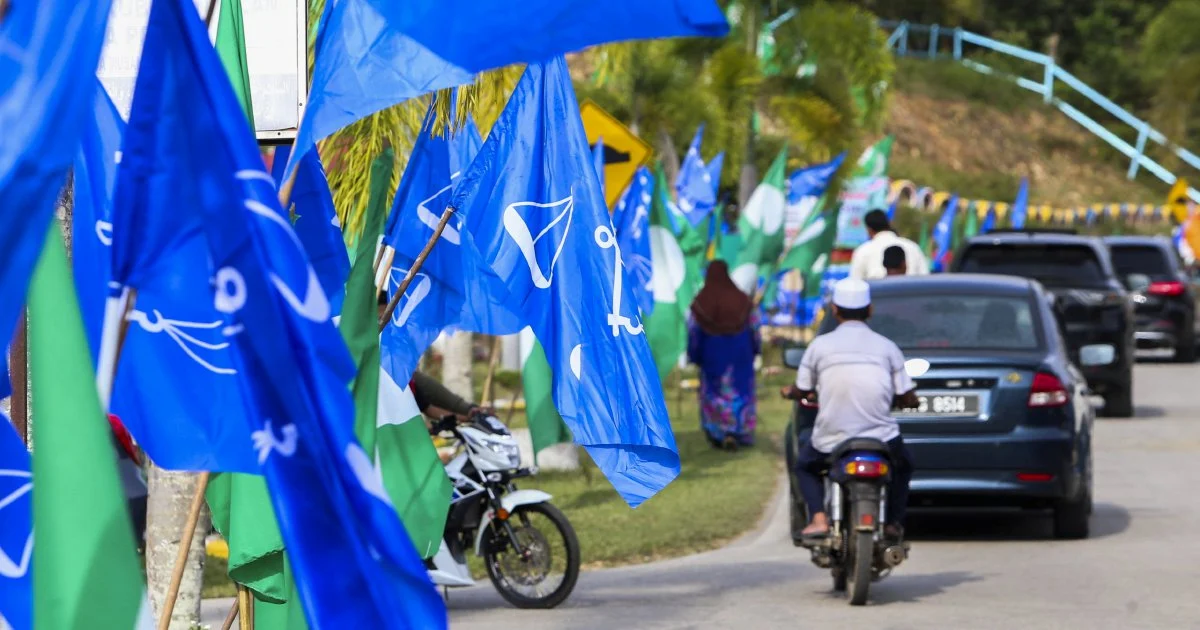
Malaysia's political landscape is moving closer to another electoral test, with the Islamic party PAS signalling through its vice-president that the nation's 16th general election could materialise within the final quarter of this year. Datuk Mohd Amar Nik Abdullah, speaking from PAS headquarters in Kota Baru, expressed confidence that voters will head to the polls sometime between late October and November, a timeframe that would provide the current administration with roughly six months to consolidate its position before facing the electorate.
The timing suggested by the PAS leader carries significance for Malaysia's political trajectory, as the nation has experienced a period of relative stability since the previous general election in November 2022. Should the predicted window materialise, it would represent a typical five-year interval between electoral cycles, allowing the government adequate opportunity to implement policy initiatives and demonstrate its legislative agenda to voters. The October to November timeframe also aligns with historical patterns observed in Malaysian electoral practice, when the weather conditions are generally favourable and administrative arrangements can proceed without seasonal complications.
PAS, which has become a cornerstone of the current governing coalition through its partnership with UMNO and other Barisan Nasional components, has strategic motivation in offering this electoral timeline. The party has substantially expanded its parliamentary and state assembly presence since 2022, particularly through its dominance in the northern states, and may view an imminent election as an opportunity to consolidate these gains before potential political shifts alter the landscape. The party's public position on election timing often reflects internal calculations regarding optimal political conditions for its candidates.
The prospect of elections in the October-November window comes amid ongoing parliamentary operations and government initiatives designed to address inflation, economic growth, and public service reforms. A campaign period during these months would compress the government's legislative agenda into the earlier part of 2024, potentially creating pressure to advance key bills and policy announcements before the electoral pause. This timing consideration influences how the current administration sequences its legislative priorities and public communications.
Regional observers have noted that Malaysia's electoral calendar operates independently of state and local elections in neighbouring countries, though the regional geopolitical context—including economic performance, inflation concerns, and development competition with other Southeast Asian nations—inevitably shapes voter sentiment. The potential timing suggested by PAS would position Malaysia's electoral process within a year when several other regional economies are also undergoing electoral or political transition, creating a broader context of Southeast Asian political realignment.
For opposition coalitions, the suggested timeframe presents strategic challenges and opportunities for mobilisation. The Democratic Action Party (DAP), Amanah, PKR, and other non-government coalition members would require comparable periods to conduct internal party processes, select candidates, and launch campaigns. An October-November election would necessitate finalisation of candidate selections by late summer, creating pressure points within opposition structures as various factions compete for nomination to winnable seats.
The state-level implications of GE16 remain complex, particularly in states where coalition arrangements differ from federal partnerships. In Selangor, Penang, and Johor, where opposition coalitions or UMNO-based administrations govern, the federal election would interact with existing state political dynamics and the timeline for potential state elections. Some state governments might contemplate simultaneous elections with the federal ballot, or alternatively, might delay state elections to avoid the costs and disruption of concurrent campaigns.
PAS's public commentary on election timing reflects broader discussions within government circles regarding optimal conditions for seeking electoral renewal. Economic performance, public services delivery metrics, and anti-corruption narratives all influence governmental calculations about when to request dissolution of Parliament. The current administration, having navigated inflationary pressures and global economic uncertainty, may judge that late 2024 presents a reasonable moment to seek fresh mandates from voters, particularly if economic indicators show improvement through mid-year.
The electoral commission's operational readiness also factors into practical scheduling considerations. Conducting general elections requires substantial institutional preparation, including boundary delineation reviews, polling centre arrangements, voter registration verification, and security deployments. An October-November window provides the Electoral Commission with adequate lead time for completing these arrangements while avoiding the year-end holiday disruptions that could complicate administrative processes.
International observers and diaspora Malaysian communities planning return travel for voting would also benefit from clarity on election timing, as the October-November period allows sufficient advance notice for arrangements. Historically, election dates announced several months ahead permit more orderly transitions and clearer political communication than campaigns launched on shortened timelines.
While PAS's statement represents an informed projection rather than official confirmation, the party's proximity to government decision-making suggests the timeframe reflects serious internal discussions about election scheduling. The political cycle is thus gradually tightening, with various stakeholders—from political parties to civil society organisations to international observers—beginning preparations for what could be the nation's most significant electoral event since 2022, with implications extending across Malaysia's federal system and regional standing.