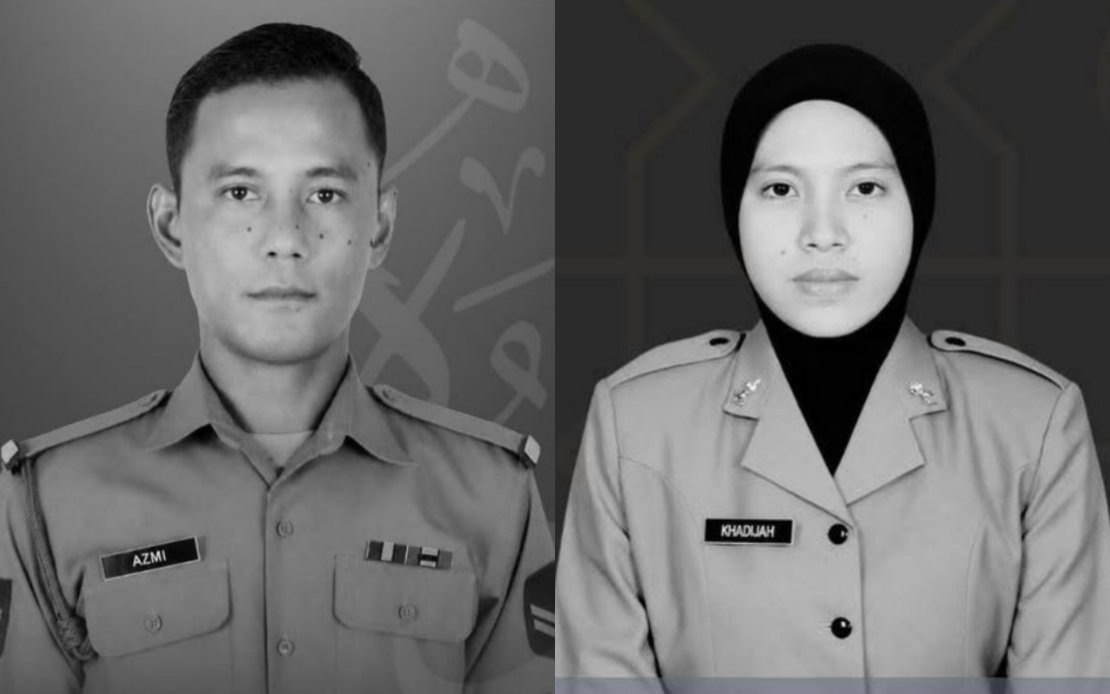
The Malaysian Army has publicly identified two of its personnel who lost their lives in an explosion at a military training facility in Kedah on June 16. Corporal Norazmi Abu Bakar, serving with the 6th Battalion of the Royal Malay Regiment, and Private Siti Khadijah Sungip from the 1st Squadron of the Royal Army Engineers Regiment, were pronounced dead whilst being rushed to medical care. Both soldiers sustained catastrophic injuries in the blast that occurred at 10:57 am during a grenade-throwing exercise at the Hobart Camp shooting range in Gurun.
The explosion happened while the two personnel were participating in the RAJD Combat Enhancement Training programme, a specialised course run under the supervision of the Army's 2nd Infantry Division. This type of training is a standard component of military preparation, designed to ensure soldiers can safely handle explosive devices in controlled environments. The incident underscores the inherent risks present even in structured training scenarios where strict safety protocols are intended to protect participants. The fact that fatalities occurred during what should be a carefully managed exercise raises significant questions about the circumstances surrounding the blast and the measures in place to prevent such tragedies.
After sustaining injuries in the explosion, both soldiers were immediately transported to Sultan Abdul Halim Hospital in Sungai Petani, the nearest major medical facility to the training base. However, the severity of their injuries proved unsurvivable, and they were declared dead before arriving at the hospital. Their remains were subsequently transferred to Sultanah Bahiyah Hospital in Alor Setar, where post-mortem examinations would be conducted to establish the precise nature and extent of injuries sustained during the incident. This procedural step is standard in Malaysian military deaths and contributes important medical and investigative information to understanding what occurred.
General Tan Sri Azhan Md Othman, the Chief of the Malaysian Army, has initiated a comprehensive and immediate investigation into the explosion. The scope of this inquiry will encompass all aspects of the incident, from the specific actions and conditions that led to the blast to the broader training protocols and safety measures in place at the facility. Such investigations are critical not only for establishing accountability but also for identifying systemic weaknesses that might have contributed to the tragedy. The Army's commitment to a thorough examination suggests recognition of the serious implications this incident carries for military training operations across the country.
The general has also issued a statement expressing profound sorrow over the loss of the two soldiers and extending heartfelt condolences to their families during this period of acute grief. Military deaths, particularly those occurring during training rather than in combat operations, carry particular weight within armed forces cultures, as they represent a breach of the implicit contract between the institution and those who serve. The Army's leadership has called upon the bereaved families to find strength in the face of devastating loss, acknowledging the immense burden they now carry.
Military training accidents, though relatively rare in Malaysia's well-disciplined armed forces, have occasionally occurred over the years. Grenade training specifically presents inherent hazards, as the devices are designed to detonate with considerable force. Even minor deviations from proper procedure—whether in handling, placement, or deployment—can result in catastrophic outcomes. The Hobart Camp facility in Kedah is recognised as a significant military training venue, and the fact that an incident of this severity occurred there will inevitably prompt broader scrutiny of training practices across all Malaysian military installations.
The investigation's findings will likely inform revisions to existing safety protocols and training methodologies. The Army has indicated that all aspects of training safety will be subject to continuous review and improvement based on what the investigation reveals. This commitment to learning from tragedy is essential for preventing similar incidents in the future and maintaining public confidence in the military's ability to safeguard its personnel. Training accidents can have ripple effects on military morale and public perception of institutional competence, making transparent investigation and concrete remedial action particularly important.
For Malaysia's military community more broadly, this incident serves as a sobering reminder of the genuine dangers inherent in armed service, even during peacetime training. The loss of two soldiers during what should be a controlled exercise highlights the need for constant vigilance regarding safety standards. The presence of a female soldier among the deceased—Private Siti Khadijah Sungip—also reflects the increasing integration of women into the Malaysian military across various operational roles and specialisations, including combat-support functions.
The immediate aftermath of such incidents typically involves grief counselling and psychological support services being made available to affected military units and families. The colleagues and unit members of the two deceased soldiers will likely require significant emotional and institutional support as they process the loss of their comrades. Military organisations worldwide recognise that deaths of this nature can affect unit cohesion and individual psychological wellbeing, necessitating comprehensive post-incident support frameworks.
As the investigation proceeds, it will establish whether the explosion resulted from equipment malfunction, procedural error, individual mistake, or some combination of factors. The findings will be crucial for the defence establishment and for the broader conversation about military training safety in Southeast Asia, where several nations conduct similar combat enhancement programmes. Malaysia's handling of this incident, including the transparency of its investigation and the robustness of any resulting reforms, will influence how other regional militaries approach their own training safety protocols and risk management frameworks.

