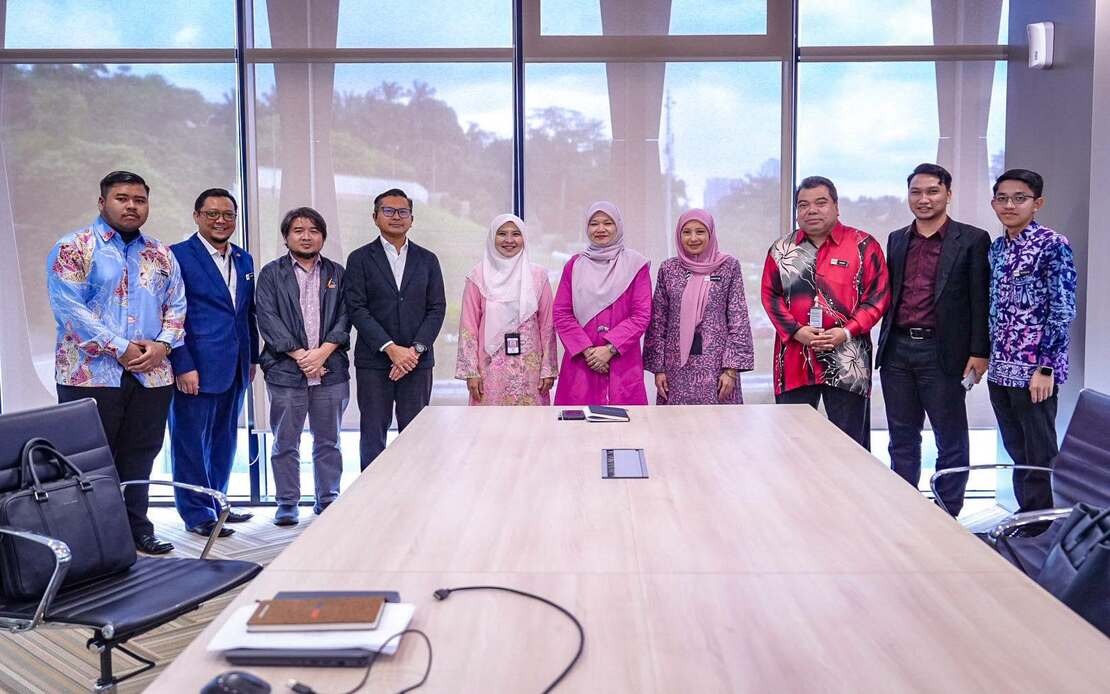
The Malaysian Education Ministry has committed to implementing nationwide advocacy initiatives focused on three critical child protection frameworks: the Child Act 2001, the Anti-Bullying Act 2026, and the Sexual Offences Against Children Act 2017. Education Minister Fadhlina Sidek announced the decision following discussions with Malaysia's Human Rights Commission (SUHAKAM), signalling a significant institutional push to embed legal awareness and protective mechanisms within the country's education system.
The agreement emerged from a meeting between Fadhlina and a SUHAKAM delegation led by Children's Commissioner Dr Farah Nini Dusuki and Dr Mohd Al Adib Samuri. The initiative reflects growing recognition that educational institutions must serve not merely as classrooms but as environments where students understand their fundamental rights and responsibilities. By formally integrating these legislative frameworks into school-based advocacy, the ministry seeks to create a culture of protection and accountability that extends beyond the walls of the ministry itself.
The inclusion of the Anti-Bullying Act 2026—legislation that has yet to come fully into force—indicates forward-thinking policy implementation. Rather than waiting for enforcement mechanisms to mature, the ministry is preparing the ground by ensuring educators and students understand the law's intent and scope. This preemptive approach acknowledges that bullying remains a pervasive challenge in Malaysian schools, with countless unreported incidents affecting student wellbeing and academic performance. By building awareness before the law takes full effect, authorities hope to establish normative expectations around peer conduct.
The Sexual Offences Against Children Act 2017 represents another critical pillar of the proposed advocacy push. Despite being on the statute books for several years, many young people remain unaware of their rights under this legislation or the remedies available to them. Victim advocacy groups have long highlighted that inadequate legal literacy compounds the trauma experienced by child survivors, who often lack knowledge of reporting mechanisms or protection measures. Systemic education about these provisions could empower victims to come forward and strengthen prevention efforts by making potential perpetrators aware of the law's reach.
Fadhlina emphasised during her announcement that the ministry recognises the acute problem of bullying and sexual harassment within educational settings. These issues extend beyond individual instances of misconduct; they create systemic barriers to learning and psychological safety. When students fear for their personal security or dignity at school, their capacity to focus on academics diminishes. The ministry's acknowledgement of these "current issues" suggests an evidence-based approach informed by reported incidents and stakeholder feedback.
The formal collaboration between the Education Ministry and SUHAKAM represents a meaningful institutional alignment on child protection. SUHAKAM, as the country's independent human rights watchdog, brings constitutional authority and expertise in rights-based advocacy. The commission has previously documented violations affecting Malaysian children and issued recommendations for legislative and systemic reform. By partnering with the ministry, SUHAKAM can help ensure advocacy programmes reflect best practices in human rights education and resist dilution of protective standards.
The minister stressed that strengthening collaboration between these institutions must occur at all organisational levels—from senior policy-makers to school principals, teachers, and students themselves. Child protection cannot remain the province of specialists; it requires distributed responsibility across the education ecosystem. Teachers need training to recognise signs of abuse or bullying. School administrators need clear protocols for intervention. Students need education about their rights and how to seek help. Parents require information about available support systems. This multi-layered approach acknowledges that no single awareness campaign will solve entrenched problems.
For Malaysian educators, the rollout will require significant investment in professional development and curriculum redesign. Teachers accustomed to traditional subject delivery may require support in facilitating discussions about rights, consent, and personal safety. Schools will need to develop or adopt educational materials aligned with the three legislative frameworks while remaining culturally appropriate and age-sensitive. The challenge lies in moving beyond one-off assemblies or poster campaigns to embedded, ongoing education that changes school cultures.
Regionally, Malaysia's commitment positions the country among Southeast Asian nations taking child protection seriously through legislative and institutional means. While various ASEAN members have enacted child protection laws, fewer have undertaken systematic advocacy and awareness-raising within education systems. Thailand, Indonesia, and the Philippines face comparable challenges with bullying and child sexual abuse, yet coordination between education authorities and human rights bodies remains inconsistent. Malaysia's initiative, if executed effectively, could model an approach worthy of regional attention.
The implications for Malaysian children are substantial. Legal awareness alone does not prevent harm, but it establishes a foundation for empowerment and accountability. Young people who understand their rights are more likely to recognise violations, report misconduct, and support peers experiencing abuse. Schools that institutionalise protection measures through advocacy create deterrent effects on potential perpetrators and support structures for victims. Over time, normalising these conversations can shift attitudes toward violence and harassment.
Implementation challenges should not be understated. Advocacy initiatives depend on adequate funding, trained personnel, and genuine institutional commitment beyond public announcements. Resistance from some quarters—whether teachers resistant to additional responsibilities or parents uncomfortable with certain topics—could dilute programmes. Measurement of effectiveness requires clear metrics and long-term monitoring rather than one-time deployment.
Fadhlina's closing statement that "the rights and welfare of our children will always remain a priority" with "no compromise" sets an ambitious rhetorical standard. The coming months will reveal whether this commitment translates into concrete resource allocation, revised curricula, and measurable changes in school safety and student awareness. The education sector now faces the critical task of converting ministerial resolve into classroom reality.

