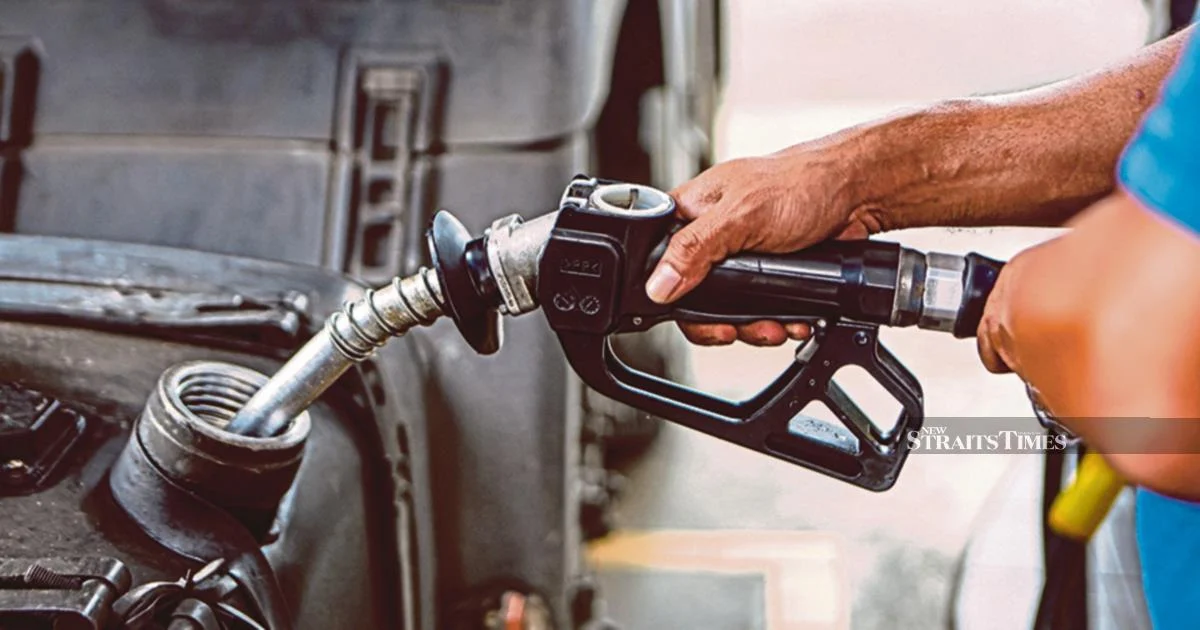
Malaysia's government has announced a reduction in subsidised diesel pricing to RM2.10 per litre effective from July, marking another significant adjustment in the nation's ongoing fuel subsidy restructuring initiative. The price cut represents a deliberate policy shift aimed at recalibrating fuel support mechanisms while balancing consumer affordability with fiscal sustainability concerns.
The subsidy rationalisation programme reflects government efforts to modernise Malaysia's fuel pricing framework, which has long been characterised by targeted support for essential commodities. By implementing tiered adjustments to diesel pricing—the fuel consumed predominantly by commercial transporters, heavy industries, and lower-income households—policymakers aim to maintain affordability without straining public finances indefinitely.
This July adjustment carries significant implications for Malaysia's transport and logistics sectors, which depend heavily on diesel-powered vehicles. Commercial operators and fleet managers have been closely monitoring fuel subsidy movements given their direct impact on operational costs. The RM2.10 price point represents a competitive threshold that could influence transportation tariffs across the economy, from goods delivery services to public transport arrangements.
The timing of this announcement provides businesses with advance notice to recalibrate their cost projections and pricing models for the latter half of 2024. Many logistics companies operating on tight margins will welcome the price reduction, though some may have already factored previous subsidy changes into their financial planning. The measure demonstrates government commitment to maintaining purchasing power among ordinary Malaysians while gradually transitioning towards a more market-responsive pricing system.
Understanding the broader context of subsidy rationalisation is crucial for Malaysian readers. For years, energy subsidies represented a substantial budgetary commitment, limiting fiscal room for investments in education, healthcare, and infrastructure. The government's gradual shift toward more targeted and efficient subsidy mechanisms reflects international best practices and recommendations from organisations monitoring fiscal health. However, abrupt removal of price controls risks inflationary pressures and impacts poorer households disproportionately.
The phased approach adopted through successive fuel price adjustments allows households and businesses to adapt gradually rather than facing sudden shocks. This measured pace reflects lessons learned from subsidy removal exercises in other developing economies, where rapid deregulation triggered social unrest and unexpected economic consequences. Malaysia's strategy prioritises stability while maintaining a credible trajectory toward more sustainable pricing structures.
Regional context matters significantly here. Several Southeast Asian nations have pursued similar subsidy reforms with varying degrees of success. Thailand, Indonesia, and Vietnam have all experimented with different models balancing affordability and fiscal prudence. Malaysia's approach, emphasising gradual adjustment and targeted support, positions it alongside regional peers attempting comparable transitions. The success of such programmes depends partly on accompanying measures supporting vulnerable populations and maintaining overall macroeconomic stability.
The implications extend beyond individual motorists to broader economic competitiveness. Transportation costs remain embedded in virtually every product's final price, from groceries to manufactured goods. More efficient pricing of diesel influences inflation trajectories and affects Malaysia's cost competitiveness in regional and global markets. Industries relying on transport-intensive production benefit from rational fuel pricing that eliminates artificial cost distortions.
Industrial sectors warrant particular attention. Manufacturing, agriculture, and construction—all diesel-dependent—will experience altered cost structures following this adjustment. While lower prices provide immediate relief, longer-term business planning must account for continued gradual subsidy adjustments rather than assuming static pricing. Companies investing in fleet vehicles or transport infrastructure should factor in realistic diesel price trajectories reflecting the government's stated rationalisation objectives.
The subsidy programme's success ultimately depends on public acceptance and complementary social policies. Price reductions can ease concerns about subsidy removal, but government communication remains essential. Clear explanation of the rationale—improved fiscal health enabling investments elsewhere, reduced distortions, enhanced efficiency—helps citizens understand the broader economic logic underlying these adjustments. Without such context, successive price movements risk appearing arbitrary or poorly coordinated.
Looking forward, the July diesel price adjustment represents another waypoint on Malaysia's longer subsidy reform journey. Observers should expect continued gradual adjustments as the government pursues its rationalisation agenda. The ultimate trajectory suggests diesel pricing will increasingly reflect market fundamentals rather than government subsidisation, though targeted support mechanisms for specific vulnerable groups may persist. This phased transition approach, while sometimes appearing incremental, provides the stability Malaysian households and businesses require while advancing fiscal sustainability objectives.

