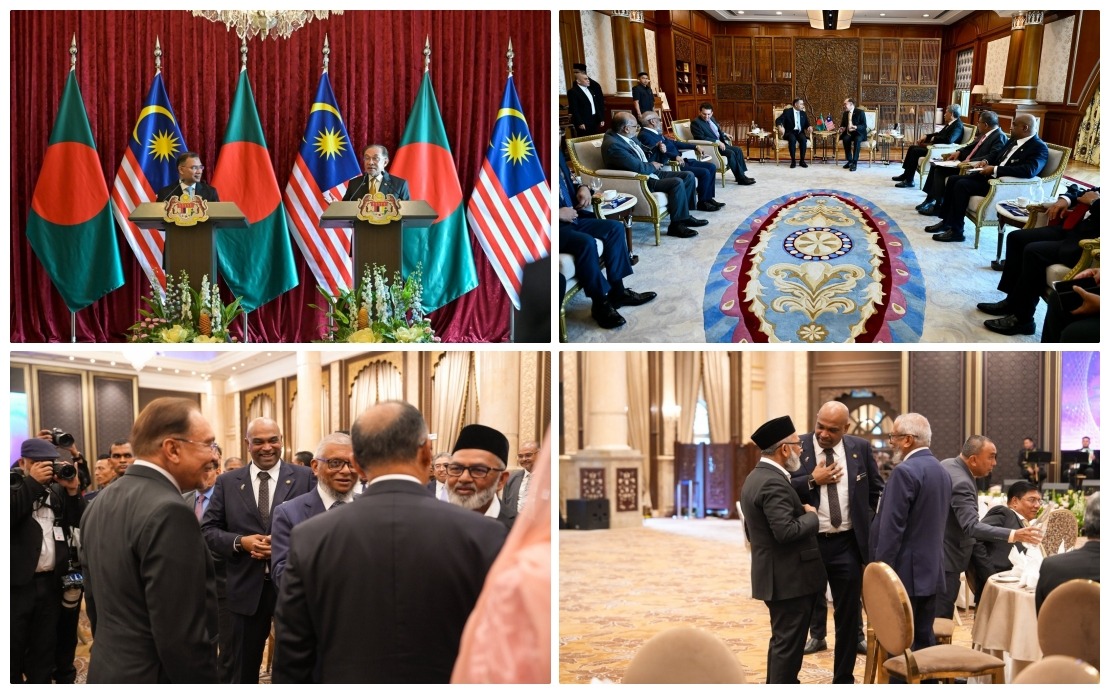
Malaysia has renewed its commitment to tightening governance standards for recruiting workers from Bangladesh, with the Human Resources Ministry (KESUMA) pledging to eliminate exploitation and unethical practices throughout the hiring process. The pledge comes as the two nations deepen their labour cooperation through a structured framework aimed at protecting migrant workers while meeting Malaysia's workforce demands in a responsible and sustainable manner.
Datuk Seri R. Ramanan, the Minister leading KESUMA, emphasised that the recruitment system must operate with full transparency, fairness and adherence to ethical principles. His statement reflects broader concerns within the region about migrant worker treatment, a persistent challenge that both governments have identified as requiring urgent systemic reform. Bangladesh remains instrumental to Malaysia's labour supply, making the quality of bilateral labour arrangements critical to economic stability in both nations.
The governance initiative emerged from high-level talks between Prime Minister Datuk Seri Anwar Ibrahim and Bangladeshi Prime Minister Tarique Rahman during Rahman's two-day official visit to Malaysia—his first bilateral trip abroad since taking office in February. The discussions yielded agreement to establish a Joint Working Group dedicated to ensuring that worker migration between the countries remains secure and mutually beneficial. This institutional mechanism signals both governments' intent to move beyond aspirational commitments toward concrete, measurable outcomes.
A key component of the new framework involves reassessing the existing Memorandum of Understanding between Malaysia and Bangladesh to determine whether current provisions adequately address present-day labour market conditions and worker protections. Beyond this evaluation, officials will draft an updated MoU incorporating contemporary safeguards and reflecting lessons learned from previous recruitment cycles. The comprehensive approach suggests recognition that static agreements cannot keep pace with evolving migration challenges and worker vulnerabilities.
Ramanan articulated that stronger governance in human resource management serves both countries equally. For Malaysia, enhanced recruitment protocols mean a more reliable, ethically-sourced workforce capable of filling labour shortages in construction, manufacturing, domestic work and other sectors where Bangladeshi workers predominate. For Bangladesh, improved mechanisms protect its citizens from abuse, wage theft and unsafe working conditions—problems that have generated significant domestic political pressure on Dhaka to safeguard its nationals working abroad.
The emphasis on worker welfare and rights protection reflects international pressure and regional advocacy from civil society organisations that have documented exploitative practices within Southeast Asian labour markets. Malaysia has faced reputational damage and operational constraints related to migrant worker issues, including debt bondage arrangements and inadequate safety standards. By institutionalising oversight through the Joint Working Group, both governments signal willingness to address structural weaknesses rather than superficial compliance.
Bangladesh's significance as a labour source cannot be overstated within Malaysia's economic context. Bangladeshi workers constitute a substantial proportion of the foreign workforce across multiple industries essential to Malaysian growth. Disruption to recruitment flows would create immediate labour shortages in sectors already operating at capacity constraints. Consequently, the governance framework serves Malaysia's economic interests while simultaneously advancing human rights objectives—an alignment that strengthens political will for implementation.
The bilateral arrangement also positions Malaysia as a responsible destination employer within competitive regional labour markets. Countries including Singapore, South Korea and the Gulf states actively recruit Bangladeshi workers, sometimes with superior wage packages and working conditions. Malaysia's commitment to enhanced governance and ethical recruitment may enhance its attractiveness to workers and their families, potentially improving workforce quality and reducing turnover costs for employers. This competitive dimension creates market incentives beyond regulatory compliance.
Ramanan's statement regarding KESUMA's expanded engagement with partner countries signals that Bangladesh represents one strand within a broader regional labour strategy. As Malaysia balances demographic challenges and labour force deficits, bilateral arrangements with multiple source countries provide diversification benefits and negotiating leverage. Bangladesh's scale and geographic proximity make it particularly important, but the ministry's commitment to systematic governance improvements suggests standardised frameworks applicable across multiple partnerships.
The timing of Rahman's visit and the labour governance announcement reflects Bangladesh's growing diplomatic confidence under his administration. Establishing structured cooperation with major destination countries represents an assertion of Bangladesh's interests beyond transactional labour supply relationships. For Malaysia, engaging seriously with Bangladesh's governance agenda—rather than resisting oversight—demonstrates sophisticated long-term thinking about labour market sustainability and regional stability.
Implementation challenges will prove significant. Joint working groups succeed only when both governments commit resources and political capital to enforcement. Previous bilateral arrangements have sometimes encountered resistance from employers resisting compliance costs or from bureaucracies lacking coordination capacity. The specific mechanisms for monitoring recruitment practices, investigating complaints and imposing sanctions remain undefined in public statements, suggesting substantial negotiation ahead during the MoU drafting process.
For Malaysian employers and workers from Bangladesh, the governance framework's practical impact depends entirely on enforcement rigour. Standard-setting without inspection, investigation and consequence carries limited value. The Joint Working Group's effectiveness will be measured by declining rates of worker complaints, improved wage protection, safer working conditions and reduced recruitment debt burdens. These tangible outcomes matter far more than institutional structures or diplomatic statements.
Moving forward, Malaysia's commitment to transparent, ethical recruitment from Bangladesh establishes a template that could extend to labour arrangements with other source countries throughout South and Southeast Asia. The framework acknowledges that sustainable economic growth requires treating migrant workers as valued participants in the development process rather than exploitable labour commodities. For regional stability and Malaysia's long-term competitiveness, this represents essential recalibration of labour governance principles.

