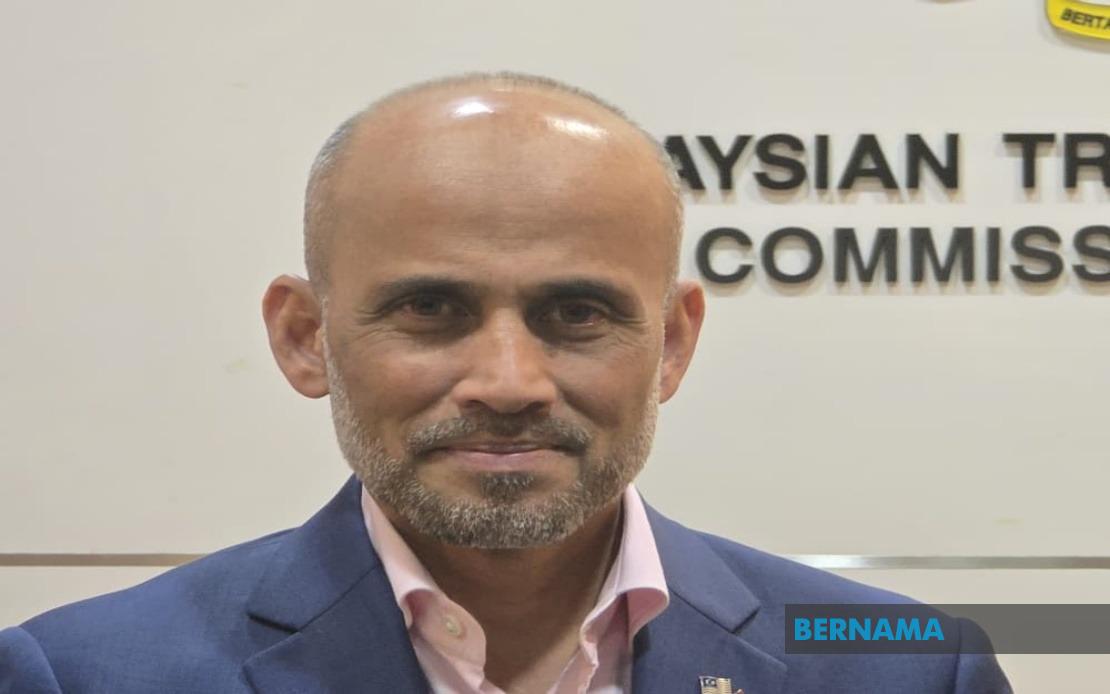
As Malaysia's High Commissioner to Singapore prepares to transition to a new posting in London, Datuk Dr Azfar Mohamad Mustafar has underscored the resilience and deepening nature of the two neighbouring nations' relationship. In reflecting on his five years serving the bilateral partnership, Azfar stressed that Malaysia and Singapore have managed to forge stronger ties precisely because both countries have demonstrated the political will to work collaboratively through periods of significant turbulence. The relationship, he suggested, is not merely sustained by historical ties and geographic proximity, but actively nurtured through sustained diplomatic engagement and pragmatic problem-solving at multiple levels.
Azfar's tenure, which began in June 2021, coincided with one of the most disruptive periods in recent memory. The COVID-19 pandemic presented unprecedented challenges to the operational framework underpinning Malaysia-Singapore relations, particularly affecting the considerable flow of Malaysian workers and business personnel who rely on daily cross-border mobility to Singapore. The temporary closure of land borders and movement restrictions created cascading complications for consular services, which were already stretched thin managing the volume of Malaysian nationals requiring assistance. Rather than allowing these practical obstacles to undermine diplomatic relations, both governments moved swiftly to establish mechanisms and protocols that balanced public health imperatives with the economic and social necessity of maintaining connectivity. This approach exemplified how mature neighbouring relationships navigate crises without allowing temporary disruptions to derail longer-term partnership goals.
The economic dimension of the Malaysia-Singapore relationship has proven particularly robust in the post-pandemic recovery. Trade and investment flows between the two nations have not merely recovered to pre-pandemic baseline levels but have gathered momentum as confidence in cross-border commerce has restored itself. Singapore's continued prominence as one of Malaysia's most significant trading partners reflects the complementary nature of the two economies and the sophistication of supply chain networks that have been cultivated over decades. For Malaysian policymakers and business leaders, Singapore's position as a major source of foreign direct investment carries particular importance, as it signals international investor confidence in Malaysian market fundamentals and regional economic integration. The investments flowing from Singapore encompass not only manufacturing and services but increasingly encompass technology and digital economy sectors where both nations are seeking competitive advantage.
The emergence of the Johor-Singapore Special Economic Zone represents a watershed moment in the bilateral economic relationship, offering a concrete framework through which to harness complementary capabilities and resources. This joint initiative transcends traditional patterns of bilateral cooperation by creating an integrated economic space that blurs conventional borders and encourages seamless movement of capital, expertise, and labour across jurisdictional lines. For Johor particularly, the special economic zone promises accelerated development and integration into regional value chains, potentially transforming the state into a crucial hub for multinational corporations seeking to optimize their operations across Southeast Asia. The zone's potential has captured attention from Singapore's investment community, and Azfar expressed optimism that this emerging opportunity would catalyse increased Singaporean capital deployment into Johor, creating employment and generating fiscal benefits for the Malaysian state.
Beyond trade and investment, Malaysia and Singapore are positioned to collaborate on regional strategic initiatives that extend their influence beyond bilateral parameters. Singapore's assumption of the ASEAN chairmanship in the coming year presents both an opportunity and a responsibility for the city-state to shape the regional agenda. Malaysia, as a fellow ASEAN member with considerable regional influence and strategic importance, will play a supporting role in ensuring the agenda reflects the collective priorities and aspirations of the ten-nation bloc. Economic integration across ASEAN remains a persistent challenge, with tariff barriers, infrastructure deficits, and regulatory inconsistencies continuing to impede the seamless flow of goods and services that deeper integration demands. The commitment from both Malaysia and Singapore to work towards deeper economic integration signals recognition that regional prosperity is mutually reinforcing and that national interests are best served through cooperative rather than competitive frameworks.
The ASEAN Power Grid initiative exemplifies the type of infrastructure cooperation that yields benefits transcending national boundaries. Energy security has become increasingly critical for Southeast Asian nations as they navigate the dual imperatives of economic growth and climate transition. The development of interconnected power systems across ASEAN would enhance energy efficiency, enable economies to leverage comparative advantages in renewable energy generation, and provide mutual insurance against localized supply shocks. Malaysia and Singapore's commitment to advancing this initiative reflects their recognition that sustainable prosperity requires addressing not only immediate commercial interests but also the underlying infrastructure foundations upon which future growth depends. Both nations possess technical expertise and investment capital necessary to drive such transformative projects forward, and their collaboration serves as a model for other ASEAN dyads seeking to deepen practical cooperation.
Azfar's diplomatic career, spanning from his appointment as an Administrative and Diplomatic Officer in 1996 through his tenure as Ambassador to France from 2018 to 2021, reflects a trajectory of progressive responsibility within Malaysia's foreign service. His posting to Singapore represented a significant assignment, given the strategic importance of bilateral relations and the complexity of managing a neighbouring relationship characterized by historical sensitivities alongside deep economic interdependence. The decision to appoint him subsequently to the United Kingdom, effective from July 1, underscores the Foreign Ministry's confidence in his diplomatic acumen and his capacity to represent Malaysian interests in major Western capitals. The transition also signals continuity in Malaysia's foreign policy approach, with experienced diplomats carrying institutional knowledge and networks across postings.
The observations offered by the outgoing High Commissioner carry particular resonance for Malaysian stakeholders invested in regional stability and economic cooperation. The emphasis on navigating challenges through sustained dialogue and practical cooperation suggests a diplomatic philosophy that transcends partisan or ideological positioning. For Malaysian business leaders, the reaffirmation of robust trade and investment relations provides assurance that the bilateral foundation supports continued commercial expansion. For policymakers contemplating regional integration initiatives, the Malaysia-Singapore experience offers evidence that persistent engagement yields tangible outcomes, even when obstacles appear formidable. The bilateral relationship, in this framing, represents not merely a product of geographic proximity or historical connection, but an active choice by both nations to prioritize cooperation in recognition of mutual interests.

