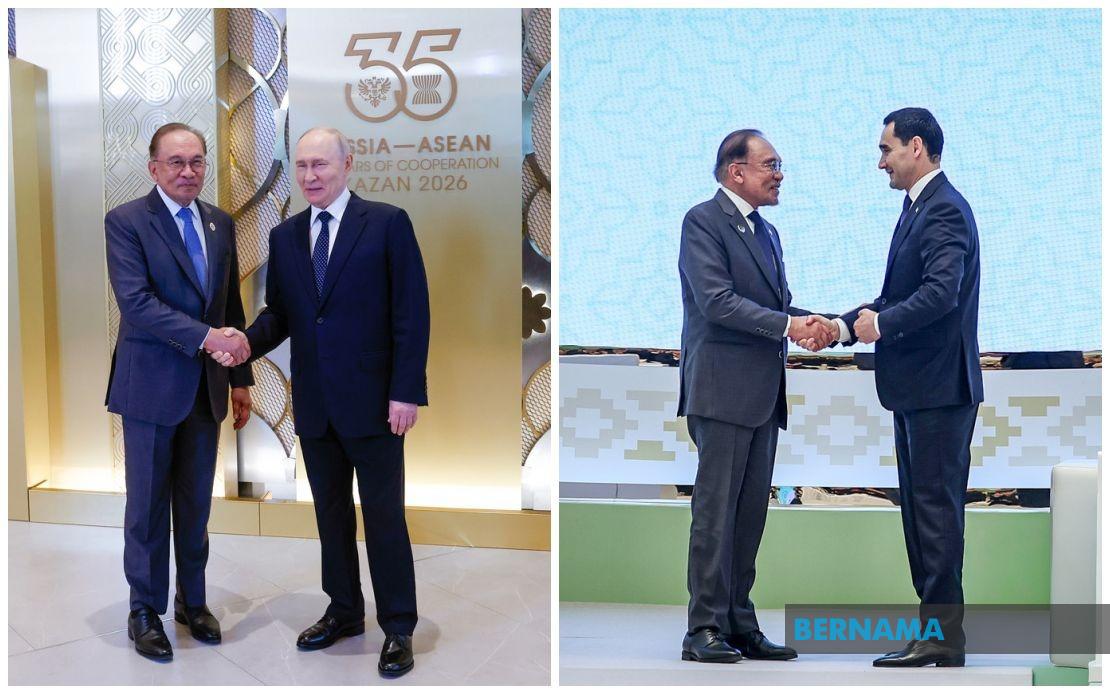
Prime Minister Datuk Seri Anwar Ibrahim's recent diplomatic missions to Russia and Turkmenistan represent a major milestone in Malaysia's pursuit of energy security and economic diversification, according to senior government ministers. The visits have been framed as transformative achievements that address the country's long-term supply vulnerabilities while positioning Malaysian companies on the global stage. Housing and Local Government Minister Nga Kor Ming characterised the outcomes as instrumental in reshaping Malaysia's international standing and unlocking economic opportunities that extend well beyond the immediate energy sector.
At the heart of the Russia visit lies a landmark commitment to supply Malaysia with crude oil and petroleum products for up to two decades. This long-term arrangement represents a fundamental shift in how Malaysia approaches energy procurement, moving away from shorter annual or seasonal renewal cycles that leave the country vulnerable to market volatility and geopolitical uncertainties. Nga emphasised that this stability is essential for sustaining government initiatives such as the BUDI MADANI RON95 programme, which maintains subsidised petrol at RM1.99 per litre. By locking in extended supply agreements, the government gains predictability over a critical input cost that directly affects household budgets and industrial competitiveness across the nation.
The energy security dimension carries particular weight for Malaysia, which despite being an oil and gas producer faces consumption patterns that increasingly require imports. A twenty-year supply framework with Russia provides breathing room for policymakers to invest in renewable energy transitions, refinery upgrades, and downstream industries without the constant pressure of immediate supply shortages. For ordinary Malaysians, this translates to greater assurance that fuel subsidies can be maintained and energy-dependent sectors such as transportation, manufacturing, and agriculture will have reliable access to feedstock at predictable price points.
Equally significant is Petronas's appointment as operator of one of Turkmenistan's largest gas fields, a development that carries profound implications for Malaysia's corporate ambitions and international credibility. Nga noted that Petronas, currently ranked 139th among Fortune Global 500 companies, possesses the technical capability and strategic vision to potentially climb toward the top one hundred if this opportunity is executed effectively. The appointment itself serves as an endorsement of Malaysian expertise in managing complex energy infrastructure, signalling to global investors and governments that homegrown Malaysian companies can compete at the highest levels of the international energy industry.
Turkmenistan possesses some of the world's most substantial natural gas reserves, making any operational foothold in the country strategically valuable for decades to come. By entrusting Petronas with development of a major field, the Turkmen government has effectively validated the Malaysian national oil company's technical prowess, safety protocols, and project management capabilities. This confidence opens pathways for Petronas to pursue additional opportunities across Central Asia and beyond, potentially establishing the company as a preferred partner in energy-rich regions where Western operators face geopolitical or regulatory constraints.
Human Resources Minister Datuk Seri R. Ramanan underscored the broader economic architecture underpinning these energy agreements, emphasising that they extend far beyond commodity trading. The Turkmenistan development is anticipated to generate technology transfer opportunities, skills development partnerships, and high-skilled workforce training initiatives. Malaysian engineers, project managers, and technical specialists will gain exposure to world-class infrastructure projects, enhancing their capabilities and positioning Malaysia as a centre of energy sector expertise within the region. Such human capital development represents an often-overlooked but critical benefit of major international projects, as workers gain experience that elevates the quality of Malaysia's engineering and management cadre.
The Russia visit to Kazan, held in the Republic of Tatarstan, provided the diplomatic platform for these negotiations. Anwar's characterisation of the arrangement as ensuring energy security through stable multi-year agreements reflects a sophisticated understanding of how commodity markets function. Rather than relying on spot market purchases or short-term contracts vulnerable to price spikes and supply disruptions, Malaysia now has contractual certainty spanning two decades. This framework allows the government to plan fiscal budgets with greater confidence, knowing that a substantial portion of energy costs will be locked in at predetermined or managed rates.
Anwar's public statements regarding these outcomes emphasised that Petronas's selection reflects international confidence in Malaysia's political stability, institutional competence, and the quality of its professional workforce. This messaging serves multiple audiences simultaneously: reassuring domestic constituencies that their government is delivering tangible economic benefits, signalling to foreign investors that Malaysia remains a reliable partner, and bolstering corporate pride in Malaysian enterprises competing globally. In an era when geopolitical alignments frequently shift and investment flows respond to perceptions of political risk, such validation carries significant weight.
From a regional perspective, these diplomatic achievements position Malaysia as a bridge between energy producers in Central Asia and consumers across Southeast and East Asia. The country's success in negotiating with both Russia and Turkmenistan demonstrates diplomatic dexterity and the capacity to maintain constructive relationships across different geopolitical blocs. For other Southeast Asian nations facing energy security challenges, Malaysia's achievements offer a template for diversified sourcing strategies and strategic partnerships that prioritise long-term stability over short-term price optimisation.
The implications for Malaysia's economic stability extend to currency management, inflation control, and competitive positioning in global manufacturing. Energy costs represent a significant component of production expenses for Malaysian manufacturers exporting to international markets. By securing predictable, long-term energy supplies at negotiated rates, Malaysia preserves cost advantages that enhance the competitiveness of sectors ranging from petrochemicals to electronics manufacturing. The Petronas opportunity in Turkmenistan simultaneously generates potential revenue streams and shareholder value, with profitable operations in Central Asian gas fields contributing to the company's financial performance and, indirectly, to Malaysian state finances through dividends and taxation.
These missions also reflect Malaysia's broader strategic pivot toward economic partnerships that transcend traditional Western-oriented frameworks. Engagement with Russia and Turkmenistan, both energy-rich nations with distinct geopolitical positions, demonstrates that Malaysian foreign policy prioritises pragmatic economic interests over ideological alignments. This approach aligns with Malaysia's longstanding non-aligned tradition and its emphasis on maintaining relationships across different global power configurations, a posture that has historically served the country well during periods of international tension or realignment.
Looking ahead, the success of these negotiations may encourage Malaysian policymakers to pursue similar long-term strategic partnerships in other sectors and regions. If Petronas executes the Turkmenistan project successfully, the company could position itself as a preferred operator for major energy developments across Central Asia, the Middle East, and other regions where international competition for resource development opportunities remains fierce. The precedent established by these visits suggests that sustained diplomatic engagement, backed by credible technical and financial capabilities, can yield substantial dividends for Malaysia's economic and strategic interests.

