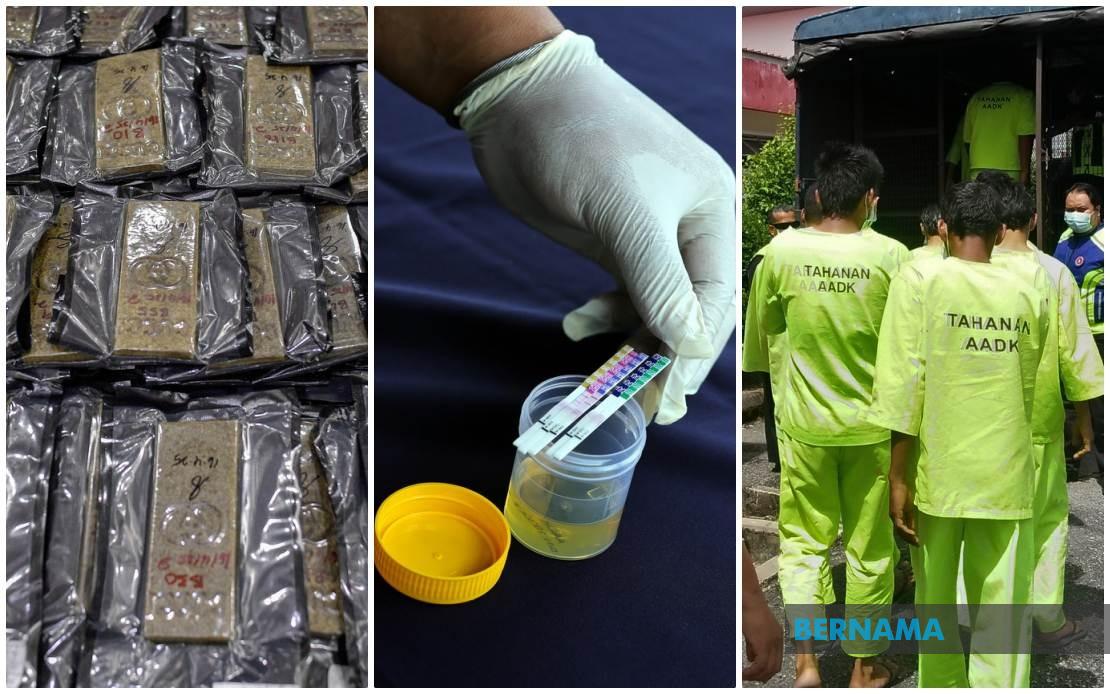
Malaysia's synthetic drug problem has reached crisis proportions, with Home Minister Datuk Seri Saifuddin Nasution Ismail revealing that 141,817 cases of abuse involving laboratory-manufactured substances were documented in the preceding year. The figures underscore a troubling trajectory: the previous year had recorded 145,526 incidents, only to be dwarfed by 192,852 cases in 2024, painting a picture of an epidemic that shows no signs of abating despite concerted government intervention.
The dominance of synthetic drugs within Malaysia's broader narcotics landscape cannot be overstated. These substances now account for approximately 70 per cent of all documented drug abuse incidents across the nation, substantially eclipsing the traditional drugs of concern such as heroin, cannabis, and ketum that preoccupied authorities in previous decades. This shift reflects both the evolution of drug trafficking networks and changing consumption patterns among Malaysian users, particularly among younger demographics who comprise nearly 75 per cent of all reported cases involving individuals aged between 15 and 39 years old.
Amphetamine-Type Stimulants, commonly known as ATS and colloquially referred to as syabu in methamphetamine form, have become the primary driver of this synthetic drug surge. The emergence of ATS as the substance of choice marks a significant departure from historical patterns, suggesting that trafficking organisations have successfully repositioned their supply chains to focus on stimulants that offer higher profit margins and greater addictive potential than conventional opioids. The geographic concentration of these cases across Malaysia's east coast—particularly in districts such as Pendang, Kuala Krai, Bachok, Besut, and Mersing—indicates organised criminal activity may be deliberately targeting specific regions where enforcement capacity or market vulnerability is perceived as favourable.
The east coast region's particular vulnerability warrants closer examination. The corridor spanning these states has essentially undergone a wholesale transformation in drug preferences, with users abandoning older substances to embrace ATS and its variants. This geographic concentration raises questions about the role of transit infrastructure, port facilities, and cross-border networks that facilitate the flow of manufactured drugs from Southeast Asian production hubs into Malaysian distribution channels. The prevalence of drug-related offences in the region's prison system—with certain facilities reporting nearly complete overlap between inmate populations and drug cases—provides concrete evidence of the enforcement burden this creates for judicial and penal systems already stretched thin.
A particularly alarming development lies in the detection of fentanyl, a synthetic opioid of unprecedented potency that is dozens of times more powerful than morphine. Although authorities have characterised its current prevalence as nascent compared with established synthetic drugs, the substance has begun appearing in Malaysian drug markets, detected in some cases within adulterated vape products. The regulatory response has been swift; fentanyl was incorporated into Malaysia's scheduled substances list through amendments to the Drug Dependants (Treatment and Rehabilitation) Act and the Dangerous Drugs Act 1952, enabling law enforcement to pursue users and distributors. However, the very fact that fentanyl is surfacing at all suggests that trafficking organisations are experimenting with even more potent substances, potentially signalling a dangerous evolution in Malaysia's drug supply that mirrors troubling international trends.
Data from the Ministry of Health, the National Anti-Drugs Agency, Narcotic Addiction Rehabilitation Centres, and the Royal Malaysia Police collectively paint a picture of an entrenched problem. Approximately 192,000 cases involving all categories of drugs have been recorded since January of the current year alone—equivalent to 560 cases per 100,000 Malaysians. Within the prison system, the scale becomes even more striking: roughly 70 out of every 100 inmates are connected to drug-related offences, whether as convicted prisoners or those awaiting trial. Some facilities, particularly Machang prison, show near-total overlap with drug cases, suggesting that Malaysia's criminal justice infrastructure has been substantially colonised by narcotics-related matters.
The demographic profile of Malaysian drug abusers reveals that the problem is concentrated among younger populations, with those aged 15 to 39 accounting for nearly three-quarters of all recorded cases. This concentration raises critical questions about prevention and early intervention strategies, as young people in affected regions may face limited economic opportunity, social disadvantage, or inadequate access to mental health services—all recognised risk factors for substance abuse. The fact that specific districts show dramatically higher rates suggests uneven geographic distribution of vulnerability, potentially reflecting localised failures in education, employment, and community support rather than merely indicating enforcement activity.
The government has deployed a multi-faceted approach to address the crisis, incorporating community-based prevention programmes, educational initiatives within schools and institutions, and targeted interventions within families and workplaces. The National Anti-Drugs Agency has coordinated these efforts alongside the Royal Malaysia Police and the Customs Department, creating an enforcement architecture that extends beyond traditional reactive policing into proactive demand reduction. However, the persistent upward trajectory of case numbers suggests these measures, while valuable, remain insufficient to arrest the underlying momentum of the drug trade.
A particularly vexing challenge has emerged through technological advancement and the proliferation of online marketplaces. The Home Minister acknowledged that the internet has fundamentally altered drug distribution, enabling consumers to purchase controlled substances through largely unregulated platforms that operate with minimal oversight or product verification. These digital marketplaces have effectively removed physical barriers to drug acquisition while simultaneously complicating enforcement efforts that rely on traditional intelligence gathering and interdiction at borders or ports of entry. The decentralised nature of online sales networks means that suppliers can operate with reduced operational footprint, making them harder to detect and disrupt through conventional police operations.
The question of whether Malaysia has become a transit hub or distribution centre for synthetic drugs remains contested. The Home Minister's response—emphasising technological ease of purchase rather than explicitly confirming transit hub status—may reflect either genuine uncertainty about the extent of transnational drug flows or calculated circumspection regarding national security revelations. Regardless, the concentration of cases in east coast districts with maritime access, combined with the prevalence of fentanyl's appearance in vape products, suggests that Malaysia occupies an important position within broader Southeast Asian drug networks, whether as a primary market, transit point, or some combination thereof.
Moving forward, addressing this crisis will require sustained investment in treatment and rehabilitation infrastructure, community-level prevention work in high-prevalence districts, and technological responses to online drug sales platforms. The current trajectory—with synthetic drug cases consistently exceeding 140,000 annually and showing no signs of decline—demands nothing less than a comprehensive reimagining of Malaysia's approach to narcotics control, extending beyond enforcement alone to encompass social, economic, and health-centred interventions tailored to the specific characteristics and vulnerabilities of affected communities.

