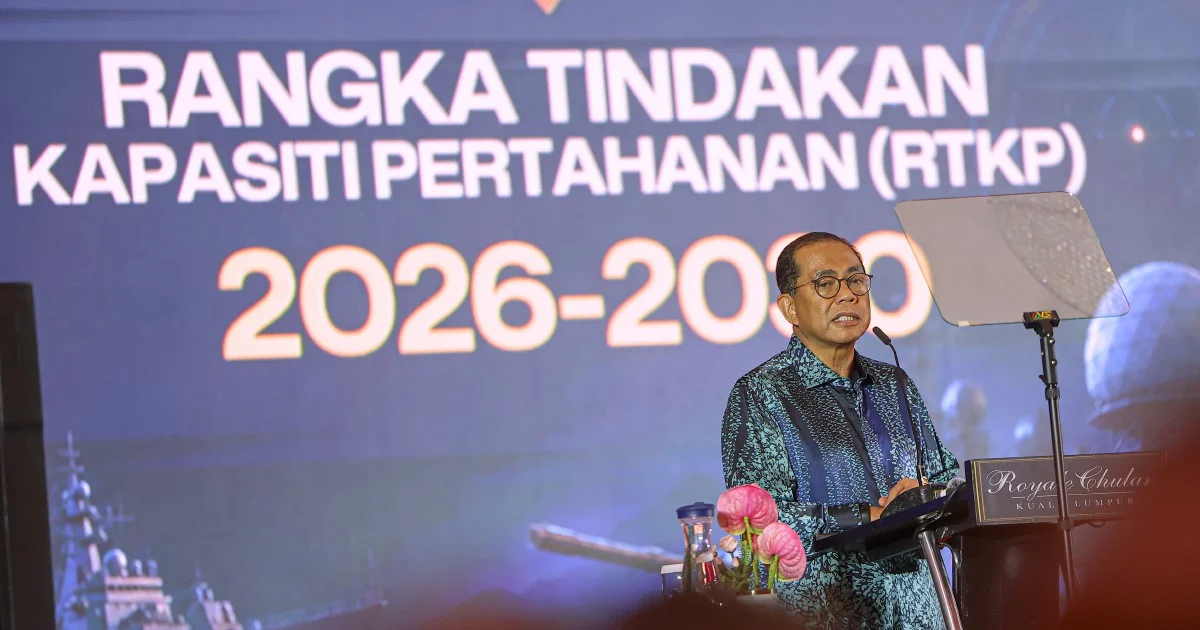
Malaysia's Defence Ministry has expressed its willingness to work towards resolving a diplomatic complication arising from Norway's decision to cancel a missile supply contract connected to the Littoral Combat Ship project, according to Defence Minister Datuk Seri Mohamed Khaled Nordin. The unexpected withdrawal from the agreement represents a significant setback for one of the military's most ambitious naval modernisation initiatives and requires careful diplomatic engagement to prevent further complications in Malaysia's defence procurement strategy.
The Littoral Combat Ship programme has been a cornerstone of Malaysia's maritime capability enhancement efforts, designed to strengthen naval presence in the country's extensive territorial waters. The inclusion of Norwegian missile systems was intended to substantially upgrade the combat effectiveness of these vessels, providing essential strike capabilities against potential threats in the Straits of Malacca and surrounding maritime zones. The abrupt cancellation has forced Malaysian defence planners to reassess the technical specifications and operational requirements of the LCS vessels, potentially necessitating significant redesigns or alternative supplier arrangements.
Norway's decision to revoke the missile deal likely stems from geopolitical considerations or compliance concerns that have yet to be publicly elaborated. Scandinavian nations have increasingly scrutinised defence export arrangements in light of international sanctions regimes and human rights assessments. Understanding Norway's specific rationale will be crucial for Malaysia to address any underlying objections and potentially negotiate terms that satisfy both nations' strategic and regulatory requirements.
For Malaysia, the cancellation introduces complexity at a sensitive time for military modernisation efforts. The Defence Ministry must balance the imperative to maintain project timelines and budgetary allocations with the diplomatic necessity of resolving the dispute amicably. Any prolonged uncertainty could affect domestic budgeting cycles, crew training schedules, and overall naval readiness plans that have been calibrated around the LCS programme's anticipated completion dates.
The Malaysian defence sector, and by extension regional maritime security frameworks, depends significantly on stable relationships with established defence suppliers from Western nations. Norway's withdrawal, regardless of the underlying reasons, signals potential vulnerability in procurement arrangements that Malaysian policymakers may previously have considered secure. This underscores the importance of diversifying supplier relationships and ensuring contractual agreements include robust dispute resolution mechanisms that can withstand shifting international political landscapes.
From a regional perspective, the LCS setback carries implications for broader Southeast Asian maritime capabilities. The programme has served as a demonstration of Malaysia's commitment to modernising its naval assets and contributing to regional stability through improved maritime domain awareness. Disruptions to such programmes can affect confidence in Malaysia's ability to fulfil strategic roles within ASEAN maritime cooperation frameworks and multilateral security initiatives focused on freedom of navigation and maritime law enforcement.
The resolution process will likely involve technical discussions regarding the missile system's specifications, alternative suppliers, timeline adjustments, and potentially financial considerations surrounding contract termination. Malaysian negotiators will need to determine whether modifications to the original agreement, such as enhanced transparency provisions or adjusted security classifications, might address Norway's concerns while preserving the project's core objectives.
Other established defence suppliers may closely monitor how Malaysia and Norway resolve this situation, as the outcome could influence their willingness to commit to large-scale defence contracts with Malaysian entities. A successful resolution through diplomatic channels would reassure international partners about Malaysia's reliability as a customer and its capacity to navigate contractual complications professionally. Conversely, an acrimonious conclusion might create hesitation among potential suppliers weighing their own regulatory risks.
The Malaysian government's stated readiness to engage constructively suggests an appreciation for the complexities involved and a recognition that confrontational approaches would likely worsen the situation. This diplomatic posture reflects pragmatic understanding that the LCS programme's success depends on international cooperation and that maintaining functional relationships with allied nations serves Malaysia's broader defence and security interests beyond any single contract.
Moving forward, Malaysia may explore whether comparable missile systems from alternative suppliers—potentially from France, Israel, or other established defence manufacturers—could be integrated into the LCS design without requiring extensive re-engineering. Simultaneously, engagement with Norwegian officials should clarify the specific concerns driving the cancellation decision, potentially revealing whether issues are technical, political, or compliance-related, and whether meaningful accommodation remains possible.
The timeline for resolution remains unclear, but the Defence Ministry's proactive public statement indicates senior leadership commitment to addressing the issue rather than allowing it to fester as an unresolved irritant in Malaysia-Norway relations. Success in negotiating a satisfactory outcome could serve as a template for managing similar disputes with other defence partners and might ultimately result in an arrangement that proves more aligned with Malaysia's actual operational requirements and financial capabilities than the original agreement.

