Malaysia's government is actively pursuing negotiations to secure compensation for the termination of its Naval Strike Missile system contract with Norwegian defence contractor Kongsberg Defence & Aerospace AS, marking a significant move in managing a complex international procurement dispute. Defence Minister Datuk Seri Mohamed Khaled Nordin outlined the multi-agency approach adopted by Kuala Lumpur, indicating that both the Defence Ministry and Foreign Ministry have taken formal steps to communicate Malaysia's position to the Norwegian government and establish a pathway toward resolution.
The decision to involve the Foreign Ministry reflects recognition that compensation disputes arising from military procurement cancellations require diplomatic finesse beyond technical defence matters. By formally notifying Oslo of Malaysia's intentions, the government has created an official channel through which Norway can facilitate mediation between Malaysia's Defence Ministry and Kongsberg Defence & Aerospace. This approach acknowledges Norway's vested interest in supporting its domestic defence industry while preserving bilateral relations with Malaysia, a strategic partner in Southeast Asia.
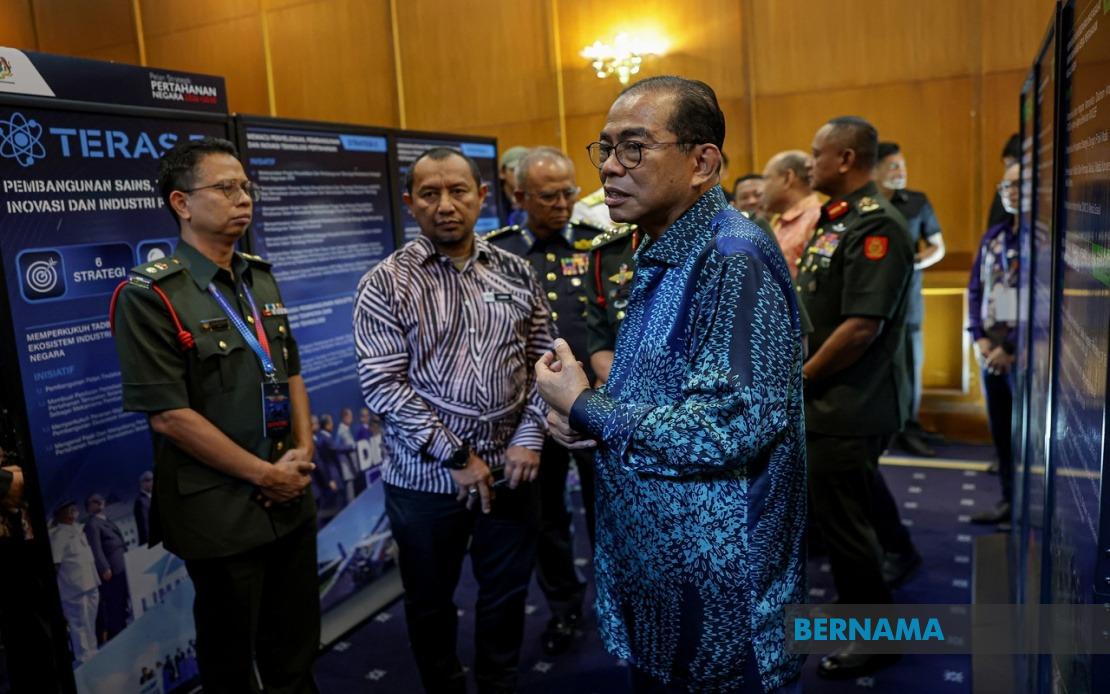
The Defence Minister's statements, made during the launch of the National Defence Strategic Plan and Defence Capability Blueprint 2026-2030, underscore the government's commitment to resolving the matter systematically rather than through confrontational legal proceedings. Describing the measures as "necessary" suggests that Malaysia has carefully evaluated its options and determined that diplomatic engagement, supported by formal government-to-government communication, offers the most pragmatic path forward. The inclusion of Chief of Defence Force General Tan Sri Malek Razak Sulaiman at the strategic defence launch event indicates that military leadership is aligned with this civilian-led diplomatic initiative.
The involvement of Malaysia's Foreign Ministry in requesting Norway to play a facilitating and mediating role represents a sophisticated understanding of international commercial dispute resolution. Rather than pursuing unilateral legal claims, which could damage defence relationships or trigger protracted arbitration proceedings, Malaysia has chosen to leverage bilateral diplomatic channels. This approach benefits from the established relationships between Malaysia and Norway, both nations with shared interests in regional security and maritime stability across Southeast Asia and beyond.
Compensation claims arising from cancelled military contracts present unique challenges that extend beyond ordinary commercial disputes. The Naval Strike Missile system represented a specific capability requirement within Malaysia's defence modernisation agenda, and its cancellation suggests either budgetary constraints, strategic reassessment, or alternative procurement decisions. Whatever the underlying cause, Kongsberg Defence & Aerospace faces legitimate financial exposure, and the contractor's home government has incentives to support a negotiated settlement that sets reasonable precedent for future defence transactions.
The Public Accounts Committee's involvement, evidenced by its receipt of a special briefing from the Defence Ministry, reflects parliamentary oversight mechanisms designed to ensure that Malaysia's fiscal interests are protected throughout any compensation discussions. The PAC's subsequent call for the government to strengthen "mitigation and diplomatic efforts" while safeguarding "fiscal sovereignty" suggests that parliamentary scrutiny will continue as negotiations proceed. This oversight function serves as an important institutional check, ensuring that any compensation settlement represents fair value and does not establish precedents that expose Malaysia to excessive future liability.
The timing of these formal notifications and diplomatic engagements carries implications for Malaysia's broader defence procurement strategy. Future defence contractors, particularly European firms evaluating opportunities in Southeast Asian markets, will observe how Malaysia manages this cancellation dispute. A transparent, good-faith negotiation process conducted through established diplomatic channels can actually strengthen Malaysia's reputation as a reliable partner willing to engage honestly when circumstances change, whereas protracted litigation or unilateral default would damage Malaysia's standing in defence industry circles.
Norway's role as a potential mediator reflects the European nation's position as a neutral facilitator with established relationships in Southeast Asia. As a NATO member with significant defence industry interests but no direct regional security competition with Malaysia, Norway can credibly serve as an intermediary. Additionally, Kongsberg Defence & Aerospace, as a strategic defence contractor with significant government relationships, likely views Norwegian government support as valuable in ensuring a fair hearing within Malaysian policy discussions about compensation levels and settlement terms.
The broader context of Malaysia's defence modernisation planning, evidenced by the launch of the strategic plan and capability blueprint for 2026-2030, suggests that the Naval Strike Missile cancellation reflects evolving strategic priorities rather than financial crisis. The government's willingness to pursue formal diplomatic resolution simultaneously with advancing alternative defence initiatives indicates confidence that the NSM matter can be compartmentalised and managed without derailing broader modernisation efforts. This separation of concerns allows Malaysia to demonstrate seriousness about honouring contractual obligations even when circumstances necessitate programme cancellation.
For Malaysian readers and defence policy observers throughout Southeast Asia, this episode illustrates how regional governments increasingly navigate complex military procurement decisions through sophisticated diplomatic frameworks. Rather than viewing the missile contract cancellation as a simple commercial failure, Malaysia's approach reflects mature recognition that defence partnerships require nuanced management when programmes must be terminated. The involvement of multiple ministries, parliamentary committees, and foreign government channels demonstrates the institutional maturity required for managing substantial defence acquisitions.
The resolution of this compensation dispute will likely establish patterns for how Malaysia handles future defence procurement challenges and contract modifications. As Southeast Asian nations increasingly modernise their military capabilities through international partnerships, the precedent set by how Malaysia handles this Norwegian contract dispute carries significance beyond bilateral relations. A settlement achieved through transparent, good-faith diplomatic engagement reinforces international norms around fair compensation and contractual responsibility, benefiting all nations seeking reliable defence partnerships.
Moving forward, the Defence Ministry's strategy of engaging diplomatic channels rather than pursuing aggressive legal claims suggests confidence that Norway and Kongsberg Defence & Aerospace share Malaysia's interest in finding an equitable resolution. The formal notification process, combined with requests for Norwegian government facilitation, creates structured timelines and defined communication channels that increase the likelihood of productive negotiations. For Malaysia's defence establishment, demonstrating this capacity to manage complex international disputes professionally enhances the nation's credibility as a sophisticated defence partner capable of managing substantial military acquisitions responsibly.

