%22%2F%3E%3C%2Fpattern%3E%3C%2Fdefs%3E%3Crect%20width%3D%22100%25%22%20height%3D%22100%25%22%20fill%3D%22url(%23ph42vxng)%22%2F%3E%3Crect%20width%3D%22100%25%22%20height%3D%22100%25%22%20fill%3D%22url(%23ph42vxnp)%22%2F%3E%3Ctext%20x%3D%2250%25%22%20y%3D%2250%25%22%20text-anchor%3D%22middle%22%20dominant-baseline%3D%22central%22%20fill%3D%22rgba(255%2C255%2C255%2C0.95)%22%20font-family%3D%22Georgia%2C%20'Times%20New%20Roman'%2C%20serif%22%20font-weight%3D%22700%22%20font-size%3D%22170%22%20letter-spacing%3D%22-0.02em%22%3EMalaysia%3C%2Ftext%3E%3C%2Fsvg%3E)
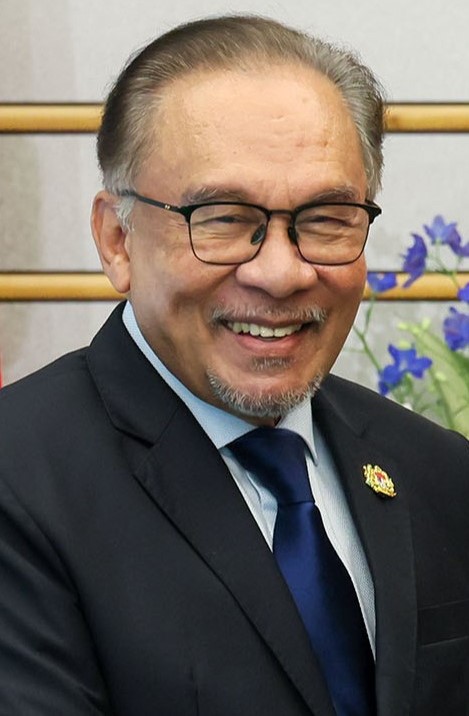
Prime Minister Datuk Seri Anwar Ibrahim has signalled Malaysia's backing for ongoing diplomatic efforts to broker peace between the United States and Iran, expressing cautious confidence that negotiations moving forward could yield a breakthrough agreement within the coming two months. Speaking from Kazan, Russia, where he attended the 35th ASEAN-Russia Commemorative Summit, Anwar outlined his optimistic assessment of developments in talks that have long remained deadlocked over sanctions, nuclear programme concerns, and regional proxy conflicts.
The timeframe of 60 days represents a critical juncture for both parties. Anwar emphasized that this compressed timeline demands sustained momentum from all stakeholders, though he acknowledged the inherent uncertainties tied to the incoming US administration under President Donald Trump. Despite such variables, the Malaysian premier appeared encouraged by what he termed "more positive direction" in the negotiations, suggesting that the diplomatic temperature has shifted from previous cycles of brinkmanship and mutual recrimination.
Anwar attributed much of his confidence to direct counsel from Pakistan Prime Minister Shehbaz Sharif, who has assumed a pivotal mediating role in the discussions. According to Anwar's account, Sharif has been embedded throughout the negotiation process, privy to developments at every stage and capable of assessing the genuine intentions of both sides. This inside knowledge, which Anwar said Sharif conveyed to him in their bilateral conversation, provided a more granular picture than public statements typically reveal. The involvement of Pakistan—itself a regional power with longstanding ties to Iran and complex relations with the United States—lends weight to Sharif's role as a trusted intermediary capable of navigating both sides' red lines.
Russia, too, has weighed in supportively on the negotiation trajectory. During his meeting with President Vladimir Putin in Kazan, Anwar noted that the Russian leader shared his assessment that momentum toward agreement appears genuine. Moscow's encouragement carries particular significance given Russia's own strategic interests in Middle Eastern stability and its recent pivot toward Iran amid Western sanctions. That both Pakistan and Russia independently conveyed similar optimism to Malaysia's premier suggests a convergence of international sentiment that breakthrough is within reach, even if fragile.
Malaysia's public positioning on the matter reflects the country's broader diplomatic strategy in West Asia, where Kuala Lumpur has maintained relatively balanced relations across sectarian and geopolitical divides. As a Muslim-majority nation and ASEAN member, Malaysia has vested interests in regional stability that extends from energy security to trade routes and the welfare of diaspora communities across the Gulf. A durable US-Iran settlement would ease tensions that have periodically threatened shipping corridors, regional proxy conflicts, and the broader Middle Eastern balance.
The cautious optimism Anwar expressed, however, must be tempered by historical experience. Previous rounds of US-Iran negotiations have foundered on verification mechanisms, the scope of sanctions relief, and disagreements over regional activities. The incoming Trump administration introduces additional uncertainty, as the former and incoming president withdrew from the Joint Comprehensive Plan of Action (JCPOA) in 2018, arguing it was insufficiently stringent. Whether Trump 2.0 will adopt a more flexible stance remains unclear, though his stated preference for direct bilateral deals could paradoxically create openings that multilateral frameworks have not.
The 60-day window is particularly tight for resolving technical details that have historically consumed far longer negotiating periods. Questions remain about how quickly the parties can align on verification protocols, sequencing of sanctions relief, and assurances regarding future Iranian regional conduct. Pakistan and Russia appear confident such hurdles can be cleared, but confidence alone has never substitute for hard compromises on both sides.
For Malaysia and other Southeast Asian nations, the stakes are real. A stable West Asia supports regional prosperity by keeping energy prices manageable and sea lanes secure. Conversely, continued US-Iran tension perpetuates proxy conflicts in Syria, Yemen, Lebanon, and Iraq that destabilize the broader region and occasionally ripple into Asian geopolitics. Malaysia has consistently advocated for multilateral dialogue and de-escalation, positioning itself as a voice for reason in forums where polarization often dominates.
Anwar's willingness to publicly voice backing for the negotiations also reflects Malaysia's desire to position itself as a constructive player in global peace efforts. By citing conversations with both Pakistani and Russian leaders and affirming that momentum is real, Anwar sends signals to Washington and Tehran that international stakeholders are watching and that success would be welcomed. Quiet diplomacy of this sort—where regional powers affirm the viability of compromise without directly pressuring either party—can sometimes provide negotiators with political cover to make concessions that domestic constituencies might resist.
The coming two months will test whether the optimism Anwar and other regional leaders feel translates into binding agreements. Much depends on whether both the United States and Iran genuinely prioritize de-escalation over maximalist demands. Anwar's comments suggest Malaysia, alongside Pakistan and Russia, believes they do. If that assessment proves correct, West Asia could enter a new phase of rivalry tempered by dialogue. If negotiations collapse again, the costs to regional stability and global energy markets will be significant—consequences that Malaysia, as a trading nation, cannot afford to ignore.