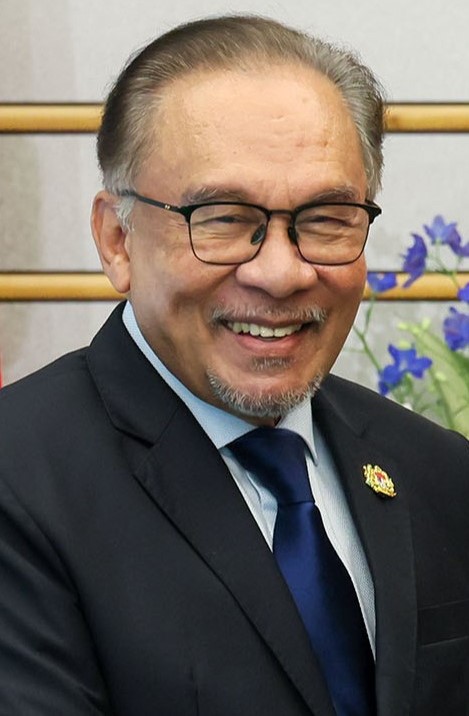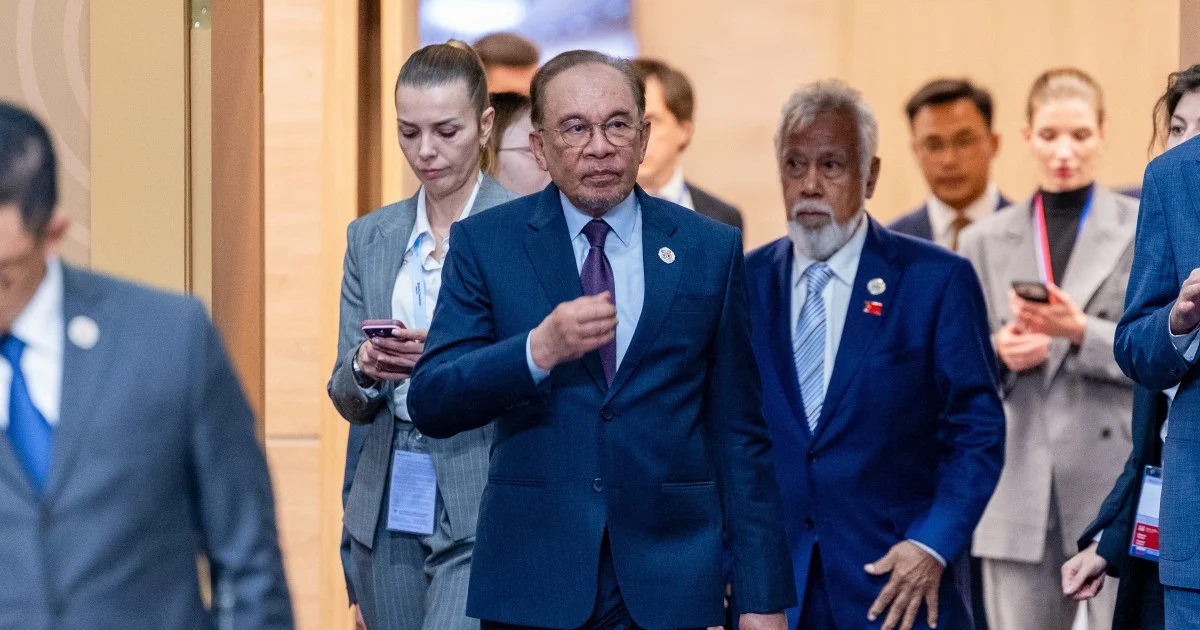
Prime Minister Anwar Ibrahim has urged Malaysia to adopt a more forceful and decisive stance in cultivating economic partnerships with Russia and Central Asian countries that present untapped commercial opportunities. Speaking in Kazan, the heart of Russia's Volga region, Anwar articulated a vision for Malaysia to move beyond conventional economic diplomacy and pursue substantive trade and investment linkages with Moscow and its neighbouring economies.
The call reflects Malaysia's broader strategic recalibration in an era of multipolar global competition and shifting trade alliances. As Western-led economic frameworks tighten around certain nations, Southeast Asian countries increasingly recognize the importance of diversifying their international partnerships. For Malaysia, which has traditionally balanced relations between major powers, engaging more vigorously with Russia and Central Asia represents both a commercial opportunity and a diplomatic signal of pragmatic non-alignment.
Russia and the Central Asian republics—including Kazakhstan, Uzbekistan, Turkmenistan, Tajikistan, and Kyrgyzstan—collectively represent substantial markets and resource bases that have remained underutilised by Malaysian businesses. These economies, rich in energy, minerals, and agricultural commodities, require capital, technology, and expertise that Malaysian firms could provide. Conversely, Malaysian companies operating in manufacturing, finance, and services could find growing consumer markets in these regions as their economies modernise and expand.
The geographical and geopolitical context adds weight to Anwar's remarks. Central Asia sits at the intersection of Chinese, Russian, and broader Asian interests, making it increasingly important in regional power dynamics. Malaysia's willingness to engage there signals that it will not allow its economic interests to be circumscribed by great power rivalries. It also positions Malaysia as a potential bridge between Southeast Asia and Eurasia, enhancing its relevance in emerging trade corridors and investment networks.
Institutional barriers have historically limited Malaysian-Russian commerce. Trade volumes between the two countries remain modest compared to Malaysia's engagement with China, Japan, or the United States. Limited direct shipping routes, unfamiliarity with Russian business practices, and the absence of established Malaysian corporate presence in Moscow have all constrained deeper economic ties. Anwar's remarks implicitly acknowledge these constraints and suggest that Malaysian policymakers recognise the need for deliberate, coordinated action to overcome them.
A more aggressive Malaysian approach could involve several concrete measures. Enhanced government support for Malaysian exporters seeking to enter Russian and Central Asian markets would reduce commercial risk and lower entry costs. Direct flights and improved logistics infrastructure between Malaysia and key cities in the region would facilitate business travel and supply chain integration. Financial institutions could establish regional hubs to fund trade and investment flows. Moreover, Malaysia could leverage existing multilateral frameworks such as the Shanghai Cooperation Organisation observer mechanism to deepen regional engagement.
Energy security also underpins strategic interest in Russia and Central Asia. Both regions are major hydrocarbons producers, and Malaysia's ongoing efforts to diversify energy sources and secure long-term supply agreements make these connections strategically valuable. As Malaysia transitions toward renewable energy while maintaining conventional capacity, partnerships with reliable energy suppliers in Eurasia add resilience to the nation's power security portfolio.
For Malaysian businesses, the timing may be opportune. Some sectors—particularly in manufacturing, financial services, and technology—face saturation in traditional markets and are actively seeking geographic expansion. Central Asian economies, whilst smaller than Asian tigers, are experiencing growing middle classes and increasing demand for modern goods and services. Malaysian companies with regional expertise and efficient operations could capture market share before competition from larger Asian economies becomes overwhelming.
Anwar's intervention also reflects the Prime Minister's personal diplomatic priorities. Known for articulating Malaysia's interest in multipolarity and rejecting hegemonic arrangements, his call for bolder Russia-Central Asia engagement aligns with broader themes in his public messaging about Malaysian autonomy and strategic independence. It signals that under his leadership, Malaysia will not subordinate commercial decisions to external pressure but will pursue partnerships based on national interest.
However, challenges remain substantial. International sanctions affecting Russia limit some business activities and create legal complexities for Malaysian firms operating across jurisdictions. Currency volatility in Central Asian currencies introduces financial risk. Political instability in some Central Asian states and concerns about governance standards may deter institutional investors. Malaysian companies require not only government support but also better market intelligence, legal frameworks, and risk management tools to operate confidently in these environments.
The practical realisation of Anwar's vision will depend on sustained government-business coordination. Trade missions, investment forums, and bilateral working groups would need to function continuously. Malaysian financial regulators and lawmakers may need to clarify positions on sanctions compliance and operational standards. Universities and vocational institutions could develop Russia and Central Asian expertise programs to build human capital for businesses entering these markets.
Ultimately, Anwar's remarks represent a recognition that Malaysia's economic future cannot be confined to Southeast Asia or East Asia alone. Strategic engagement with Eurasian markets, whilst requiring deliberate effort and investment, offers diversification benefits and positions Malaysia favourably in emerging global trade patterns. Whether Malaysian businesses respond with matching vigour will determine whether the Prime Minister's ambition translates into tangible commercial growth.