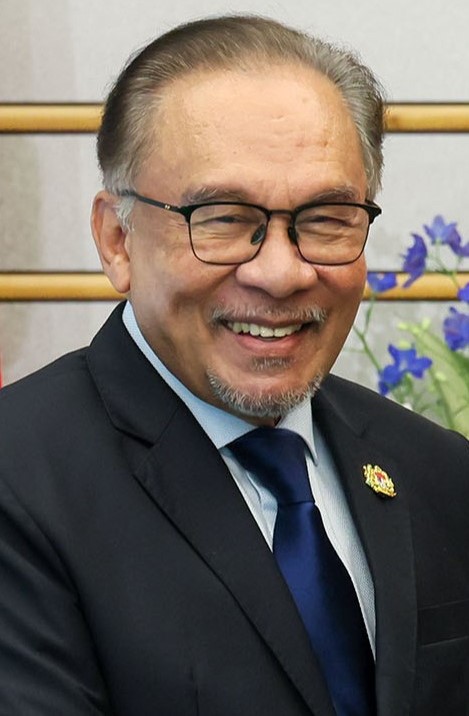
The Malaysian government has issued a fresh call for citizens to maintain standards of compassion and humanity when engaging with discussions about the Rohingya community currently residing in the country. Speaking from Putrajaya, official representatives stressed the importance of upholding fundamental human values even as the nation grapples with the practical and legal complexities surrounding this vulnerable migrant population.
The appeal comes at a time when public discourse and media coverage regarding the Rohingya have become increasingly prominent in Malaysian society. This heightened attention reflects growing awareness of the community's presence in Malaysia, though it has also coincided with varied public reactions ranging from sympathy to concerns about integration, resource allocation, and security.
The government's position reflects a wider tension that many Southeast Asian nations face when hosting displaced populations fleeing persecution. Malaysia, which has historically played a significant role in sheltering Rohingya refugees fleeing violence in Myanmar, finds itself balancing multiple imperatives: its international humanitarian obligations, domestic legal frameworks, and the need to maintain social cohesion among its diverse population.
The Rohingya crisis remains one of the region's most pressing humanitarian challenges. Since large-scale violence erupted in Myanmar's Rakhine State in 2017, hundreds of thousands have fled across borders. Malaysia has become home to a substantial portion of this diaspora, though the exact number remains contested between government figures and humanitarian organisations. This presence has introduced both humanitarian responsibilities and governance questions that Malaysian policymakers continue to navigate.
The government's emphasis on humanity suggests an acknowledgment that purely legalistic or security-focused approaches to the Rohingya issue risk overlooking the fundamental dignity and rights of individuals who have endured significant trauma. Rohingya refugees often carry stories of displacement, loss, and systematic persecution, realities that humanitarian advocates argue should inform policy responses regardless of legal status or documentation complications.
However, the need to simultaneously invoke legal frameworks indicates that Malaysia recognises the legitimate concerns of its own citizens regarding border management, social services capacity, and administrative oversight. The country's legal system does not formally recognise refugees, instead categorising most Rohingya as undocumented migrants. This ambiguity creates gaps in rights protections while complicating discussions about responsibility and resource distribution.
For Malaysian citizens and policymakers, the Rohingya presence raises practical questions about labour market integration, healthcare access, education for children, and housing arrangements. These issues cannot be resolved through compassion alone, yet purely administrative solutions risk perpetuating cycles of marginalisation and vulnerability. The government's message appears designed to remind stakeholders that technical governance and ethical obligation need not be entirely separate concerns.
The timing of this government statement may also reflect concerns about polarisation in public discourse. As social media amplifies both sympathetic and critical voices, officials may be seeking to establish a moderate middle ground that acknowledges both humanitarian imperatives and legitimate governance questions. This positioning could help insulate Malaysia from international criticism while managing domestic sensitivities.
Regionally, Malaysia's approach carries significance for how Southeast Asia manages displacement and refugee crises more broadly. The region hosts millions of displaced persons and undocumented migrants, yet lacks coherent frameworks for their protection. Malaysia's experience with the Rohingya could establish precedents for other nations facing similar pressures.
The principle articulated by Malaysian officials—that law and humanity need not be antagonistic—suggests a framework where legal compliance and compassionate practice reinforce rather than undermine each other. Enhanced registration systems, for instance, could simultaneously clarify legal status while improving access to services. Labour rights protections could address both security concerns and worker welfare. Education policies could serve integration goals while opening opportunities for refugee children.
Looking forward, the success of Malaysia's Rohingya policy will likely depend on whether the government can translate its stated commitment to balance into concrete measures. This requires sustained investment in understanding the specific needs of affected communities, ongoing dialogue with civil society organisations, and willingness to adapt policies based on evidence of what works.
The government's call for compassion ultimately recognises that the Rohingya issue will not be resolved through enforcement alone. Long-term stability and social cohesion may depend less on controlling migrant populations through restrictive measures and more on ensuring dignified, secure conditions that reduce incentives for exploitation and allow communities to contribute productively to Malaysian society. Whether Malaysia can achieve this balance while managing legitimate domestic concerns remains one of the region's defining governance challenges.