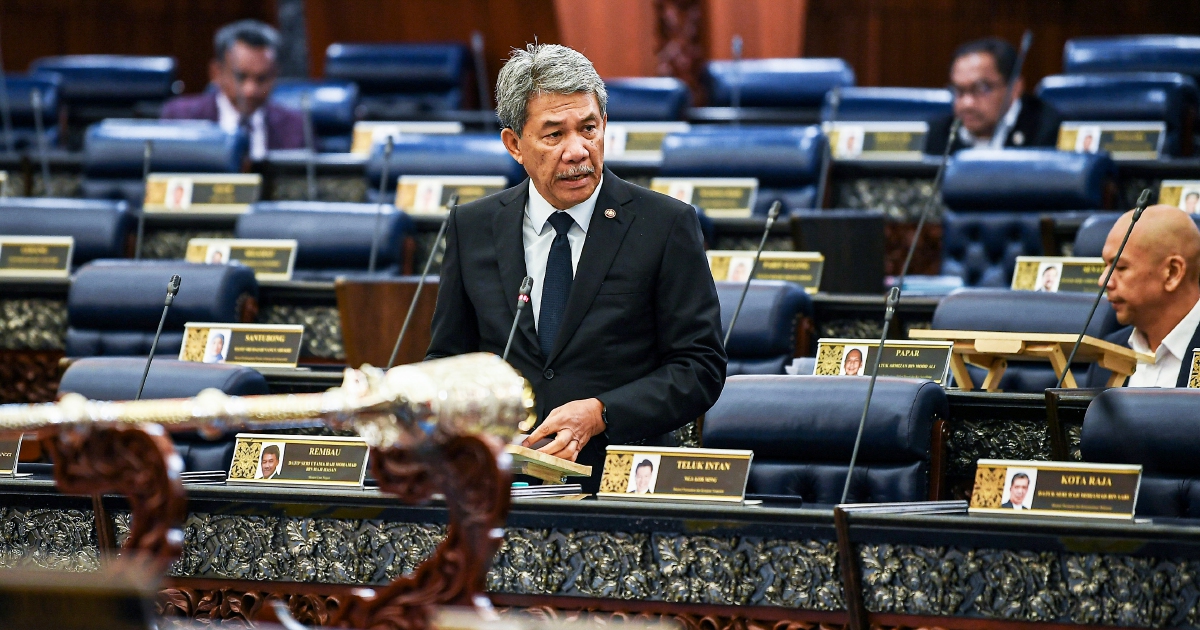
Malaysia has made clear that it does not extend diplomatic recognition to Myanmar's administration following the elections, according to a statement from Deputy Prime Minister Ahmad Zahid Hamidi, who goes by Tok Mat. The clarification comes amid what officials suggest may have been misunderstandings about the implications of recent meetings between Malaysian and Myanmar officials in Naypyidaw.
The distinction between engaging with another nation's government and formally recognising it holds particular significance in Southeast Asian diplomatic practice. Nations frequently maintain dialogue channels with de facto authorities for practical purposes—managing borders, facilitating trade, addressing humanitarian concerns—without this constituting legal or political recognition. Malaysia's position reflects this nuanced approach, one that has become increasingly complex as the Myanmar situation has evolved since the 2021 military takeover.
Tok Mat's statement appears designed to address potential domestic and regional concerns about Malaysia's approach to Myanmar. The country has maintained considerable caution regarding the junta-led regime, balancing pragmatic engagement with stated principles about democratic governance. This reflects Malaysia's broader foreign policy, which officially prioritises human rights and democratic norms while acknowledging the complexities of neighbouring Southeast Asian geopolitics.
The recent meetings in Naypyidaw that prompted the clarification signal Malaysia's continuing need to engage with Myanmar on issues affecting both nations. These discussions likely covered border management, regional security cooperation within ASEAN frameworks, and possibly economic matters given the historic trade relationships between the two countries. However, Malaysia has sought to underscore that such practical engagement remains distinct from formal recognition of the post-election administration as a legitimate government.
Malaysia's position aligns with the broader ASEAN strategy of maintaining communication channels while avoiding explicit endorsement of Myanmar's current political arrangements. The bloc has struggled with how to respond to Myanmar's situation, with member states adopting varying approaches. Some nations have maintained stricter diplomatic isolation, while others emphasise dialogue as a mechanism for potential influence. Malaysia's stance places it among countries seeking a middle path—keeping lines open without legitimising the administration through recognition.
The timing of Tok Mat's clarification suggests there may have been specific recent interactions that risked being misinterpreted. Official visits or high-level meetings often trigger scrutiny from observers monitoring Malaysia's Myanmar policy. For a country dealing with its own significant Rohingya refugee population and broader humanitarian concerns, maintaining clarity about its diplomatic stance carries additional weight. The distinction Malaysia draws protects its credibility on human rights issues while enabling necessary practical cooperation.
For Malaysian businesses and citizens with interests in Myanmar, the clarification carries practical implications. Engagement between governments on commercial or consular matters does not require formal recognition of the administering authority. However, the lack of recognition does create legal ambiguities that investors and traders must navigate. Malaysian companies operating in Myanmar function within a complex environment where official bilateral relationships remain technically undefined in formal diplomatic terms.
Within ASEAN, Malaysia's clarification reflects ongoing tensions about how the bloc should handle Myanmar's political crisis. The organisation has struggled to maintain unity while respecting the principle of non-interference in members' internal affairs—a cornerstone of ASEAN's founding doctrine. Yet the scale and nature of Myanmar's situation has challenged this approach repeatedly. Malaysia's careful wording acknowledges these tensions while reaffirming that pragmatic engagement need not compromise diplomatic principles.
The deputy prime minister's statement also carries implications for Myanmar's government itself. By explicitly denying that recent meetings constitute recognition, Malaysia signals limits to the legitimacy it will extend. This distinction matters considerably for the Myanmar administration, which has sought international normalisation and recognition from key neighbours. Malaysia's refusal to grant such recognition, even while maintaining necessary contacts, underscores the continued international isolation facing Myanmar's current authorities.
Looking forward, Malaysia's position suggests its approach to Myanmar will remain utilitarian rather than ideological. The country will likely continue engaging on specific issues—humanitarian access, refugee returns, border security—while stopping short of full normalisation. This reflects Malaysia's broader assessment that isolation has proven ineffective in shifting Myanmar's trajectory, yet recognition would compromise the country's stated commitment to supporting democratic governance and human rights in the region.
For observers monitoring Malaysia's foreign policy, the clarification demonstrates how nations navigate the complexities of dealing with governments they do not formally recognise. This practice, while sometimes confusing to external observers, remains commonplace in international relations. Malaysia's reaffirmation of its non-recognition stance provides clarity for domestic stakeholders while maintaining the diplomatic flexibility necessary for a country managing complex regional relationships and significant humanitarian responsibilities.

