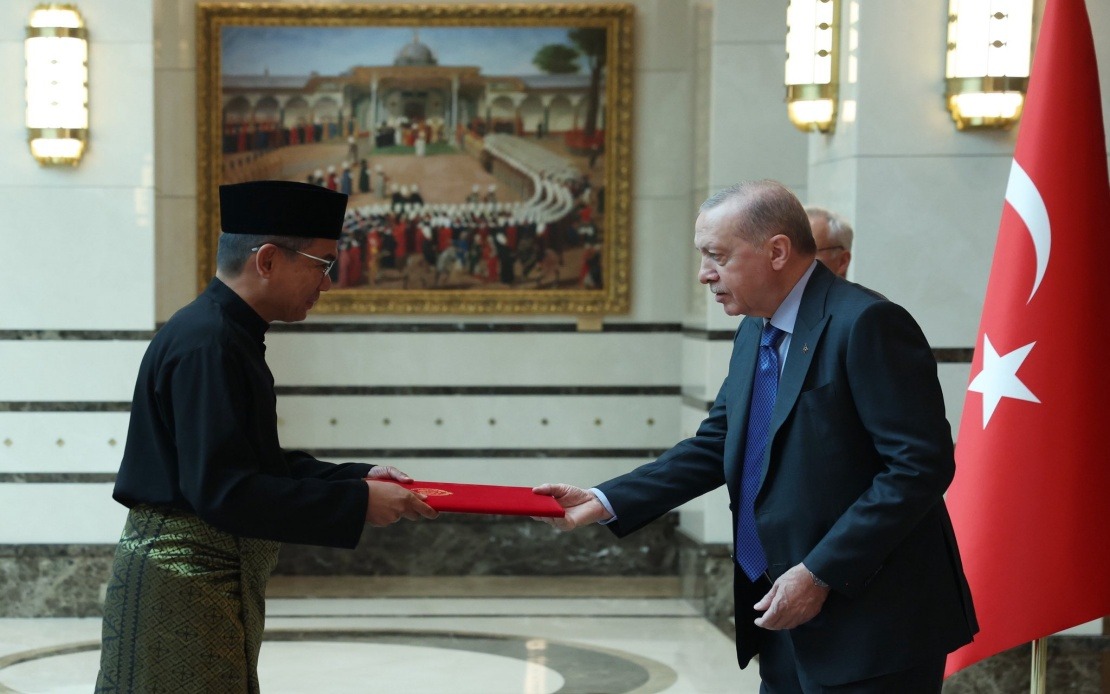
Malaysia has formally endorsed Türkiye's ambition to secure Dialogue Partner status within ASEAN, signalling Kuala Lumpur's backing for deepening the Turkish nation's institutional ties with Southeast Asia. The position was communicated during a high-level diplomatic ceremony when Malaysian Ambassador to Türkiye, Adlan Mohd Shaffieq, presented his credentials to Turkish President Recep Tayyip Erdoğan at the Presidential Complex in Ankara on June 17.
This diplomatic manoeuvre reflects Malaysia's assessment that Türkiye has evolved into a consequential player in regional affairs beyond its traditional Middle Eastern sphere. Ambassador Shaffieq highlighted in his remarks that the Turkish republic has cultivated an increasingly substantial partnership with ASEAN through multifaceted engagement spanning economic investment, geopolitical alignment, and expanding connections between citizens of both sides. The endorsement carries weight as Malaysia holds considerable influence within the ASEAN bloc and its backing could smooth Ankara's pathway towards formal institutional recognition.
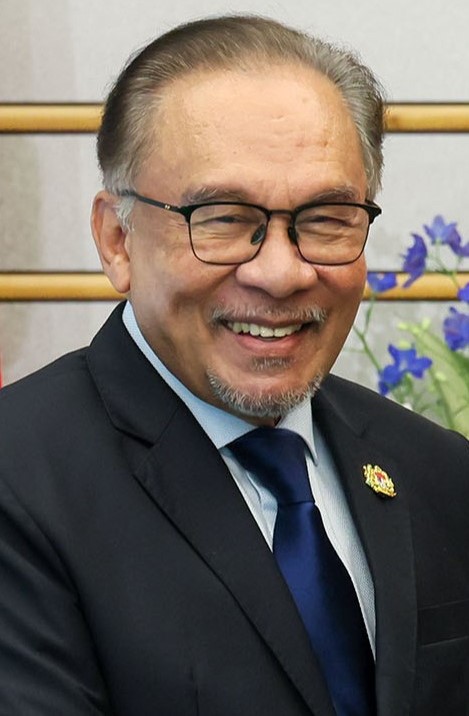
The credentials presentation ceremony provided an occasion for Malaysia to reaffirm its own bilateral relationship with Türkiye at the highest political level. The ambassador conveyed formal greetings and well-wishes from His Majesty Sultan Ibrahim, King of Malaysia, and Prime Minister Datuk Seri Anwar Ibrahim to President Erdoğan, underscoring the personal dimension of state relations. This protocol-heavy aspect of diplomacy, while often ceremonial in appearance, carries strategic significance in reinforcing political commitment between nations.
Malaysia's commitment to strengthening ties with Ankara spans multiple sectors of mutual interest and cooperation. Education has emerged as a crucial pillar, with growing numbers of Turkish and Malaysian students pursuing higher learning in each other's institutions and facilitating knowledge exchange. Defence cooperation represents another dimension, reflecting shared security interests and the potential for military-to-military collaboration. Perhaps most distinctively, both nations have identified the halal industry as a domain for collaborative development, capitalising on Malaysia's established expertise in Islamic certification and standards-setting alongside Türkiye's substantial production capacity and market access in Muslim-majority regions.
The relationship between Malaysia and Türkiye rests fundamentally on shared values and complementary strategic interests. Both nations prioritise peace, development, and prosperity as cornerstones of their foreign policy orientation. The characterisation of their bond as built on mutual trust and respect reflects a diplomatic foundation forged through decades of engagement at international forums, from the United Nations to the Organisation of Islamic Cooperation, where both countries have collaborated on matters of mutual concern.
A significant catalyst for deepening bilateral relations has been the personal rapport between President Erdoğan and Prime Minister Anwar Ibrahim. Ambassador Shaffieq explicitly referenced this interpersonal connection as a platform upon which expanded cooperation could be constructed. The convergence of their political philosophies and worldviews has translated into concrete initiatives across government, business, and civil society sectors. This leadership alignment has proven instrumental in accelerating progress on joint projects and initiatives that might otherwise proceed at a more leisurely pace.
Turkey's economic engagement with Southeast Asia has intensified markedly in recent years, reflecting broader Turkish strategic repositioning towards the Indo-Pacific region. President Erdoğan reciprocated Malaysia's support by expressing optimism regarding commercial expansion between the two countries. He specifically referenced an ambitious bilateral trade target of US$10 billion, a figure that underscores the scale of economic ambitions underpinning the political relationship. Current trade volumes remain substantially below this target, indicating considerable room for growth in investment flows, merchandise exchange, and service sector cooperation.
The pursuit of ASEAN Dialogue Partner status represents a significant institutional milestone for Türkiye, as it would grant formal recognition and access to ASEAN's expanding architecture of regional engagement. Such designations carry practical implications for participation in ASEAN-led forums, access to regional dialogue mechanisms, and positioning within the hierarchy of external partners. The status would elevate Türkiye from its current standing and provide a platform for systematic engagement with the ten ASEAN member states collectively.
For Malaysia specifically, endorsing Türkiye's aspirations aligns with Kuala Lumpur's broader strategic posture of building diverse partnerships that enhance its own regional influence. By championing Turkish interests within ASEAN councils, Malaysia positions itself as a bridge between Turkey and Southeast Asia, potentially gaining diplomatic capital and goodwill that could prove valuable in future negotiations on issues of Malaysian concern. This reciprocal dynamic characterises much of ASEAN diplomacy, where member states trade support on various institutional matters.
The timing of this formal endorsement carries relevance within the broader context of regional geopolitical shifts. As major powers compete for influence across Asia, mid-sized powers like Türkiye seek institutional footholds within regional organisations that matter. ASEAN's centrality to Asian affairs makes Dialogue Partner status a meaningful prize, and Malaysia's support contributes momentum towards realising this objective. For Southeast Asian nations, Türkiye's enhanced engagement offers additional strategic optionality and economic opportunity at a moment when regional diversification of partnerships has become strategically prudent.