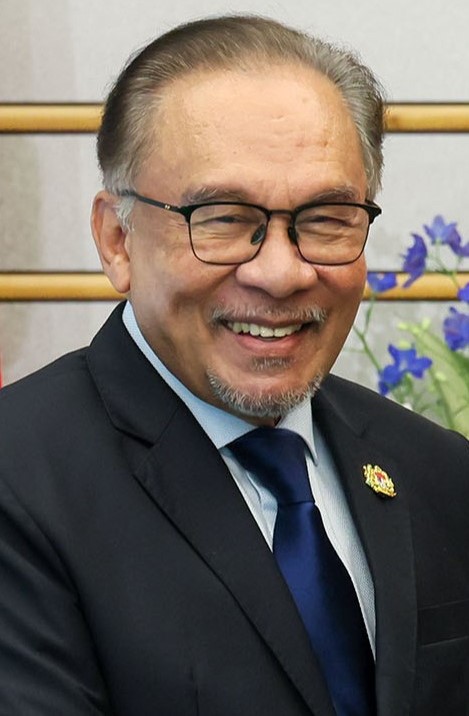
Prime Minister Datuk Seri Anwar Ibrahim is heading to Ashgabat on June 18 to 19 in a visit designed to elevate Malaysia's relationship with Turkmenistan at a critical time for regional energy dynamics and trade expansion. The two-day engagement signals both nations' commitment to broadening economic cooperation beyond traditional diplomatic channels and into substantive partnerships that could reshape Malaysia's energy security and regional positioning in Central Asia.
The visit carries particular significance given Turkmenistan's strategic importance as one of the world's largest natural gas reserves holders. With Malaysia's energy sector under pressure to diversify its supply chains and secure long-term energy agreements beyond traditional suppliers, Turkmenistan represents both an opportunity and a logical partner. The Central Asian nation has increasingly sought to expand its market reach westward and southward, and Malaysia's established trading networks and strategic location in Southeast Asia make it an attractive gateway for Turkmen energy products entering Asian markets.
Oil and gas cooperation will dominate the agenda, though the scope extends considerably beyond simple energy transactions. The discussions are likely to encompass liquefied natural gas procurement, exploration partnerships, technology transfer agreements, and joint venture possibilities that could benefit Malaysian energy companies operating regionally. For Malaysia, securing additional energy sources is critical as domestic production continues to mature and the country pursues renewable energy transitions that require a stable bridging period of conventional fuel supplies.
Beyond hydrocarbons, the transportation and logistics sector represents an emerging frontier for bilateral partnership. Turkmenistan's geographic position along historic Silk Road corridors gives it leverage in regional connectivity projects. Malaysia, with its world-class port infrastructure at Klang, Port Kelang, and Penang, could become a critical hub for goods moving between Central Asia and Southeast Asia. Joint initiatives in port management, shipping services, and integrated logistics networks could transform the bilateral relationship into something mutually transformative for both economies.
Agricultural cooperation also features prominently in the planned discussions. Malaysia's expertise in palm oil production, tropical agriculture, and agribusiness development could be leveraged to assist Turkmenistan's agricultural modernization efforts. Conversely, Turkmenistan's production capacity in certain crops and livestock could fill gaps in Malaysia's import needs, creating a complementary relationship that strengthens food security for both nations. This sector often receives less media attention than energy discussions but frequently produces the most sustained, tangible benefits for ordinary citizens through consumer prices and employment.
The timing of Anwar's visit reflects Malaysia's broader diplomatic strategy to expand engagement beyond traditional Western alliances and diversify partnerships across regions often overlooked in standard Southeast Asian foreign policy discussions. Turkmenistan, while relatively less prominent in international affairs than larger Central Asian states, offers a stable governance environment and clear economic vision that aligns with Malaysia's pragmatic approach to international relations.
From Turkmenistan's perspective, welcoming a Malaysian Prime Minister demonstrates its efforts to cultivate relationships with major economies across Asia. The nation has historically maintained a non-aligned foreign policy and actively cultivated partnerships with countries across different geopolitical spheres. Malaysia's ASEAN membership and role as a major Southeast Asian economy make it an ideal partner for Turkmenistan seeking to strengthen ties across the Asian continent.
The visit is also likely to include discussions on people-to-people exchanges, educational cooperation, and cultural initiatives that form the foundation for lasting diplomatic relationships. These softer dimensions of statecraft often prove essential for sustaining economic partnerships through inevitable market fluctuations and political transitions.
International observers will be watching how concrete these discussions become. Previous bilateral engagements between Malaysia and Central Asian nations have sometimes remained aspirational without translating into significant commercial activity. The challenge for both delegations will be moving from expressions of intent to signing binding agreements with clear implementation timelines and measurable outcomes.
For Malaysia specifically, this engagement represents an opportunity to reduce energy supply concentration risk while positioning itself as Southeast Asia's gateway to Central Asian markets. It also demonstrates Anwar Ibrahim's administration's commitment to economic diplomacy and the pursuit of partnerships that serve Malaysia's development objectives. The success of this visit will likely be measured not by the ceremonies surrounding it, but by the actual trade flows, investments, and cooperative projects that materialize in subsequent months.