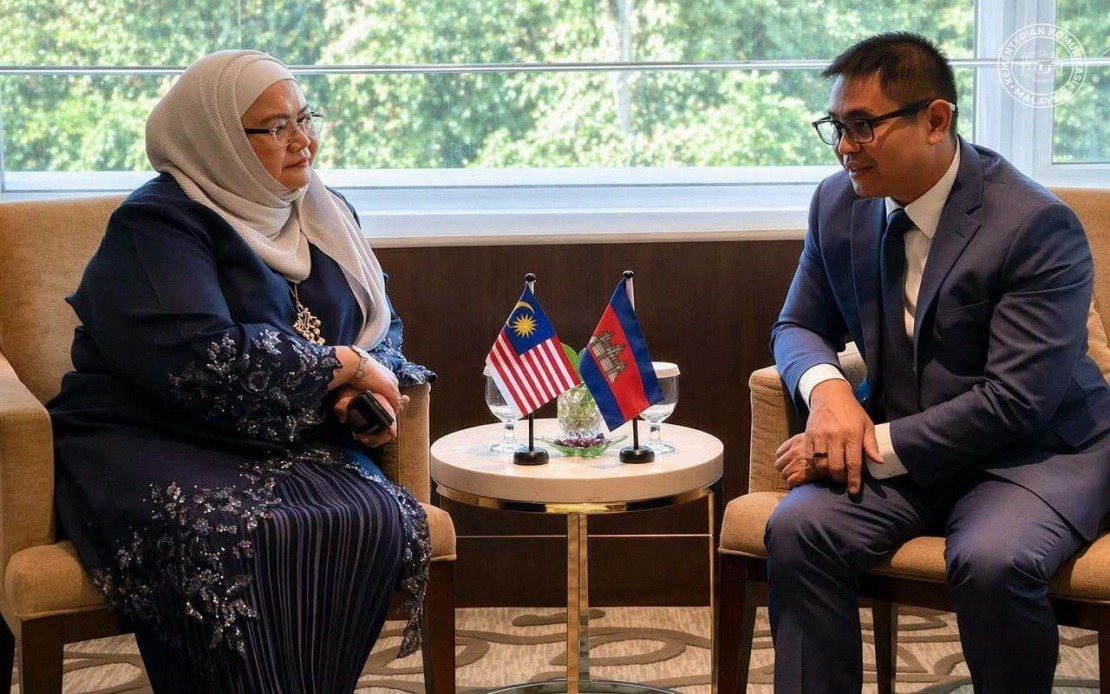
Malaysia and Cambodia are moving forward with concrete implementation of a bilateral Memorandum of Understanding covering information and media development, following discussions held in Brunei this week as part of broader regional information-sharing initiatives. The partnership reflects growing recognition among Southeast Asian nations that coordinated approaches to media governance and digital communication are essential in an increasingly complex information environment.
The memorandum, which was formally signed on June 20 by Communications Minister Datuk Fahmi Fadzil and Cambodian Information Minister Neth Pheaktra through his secretary of state Prak Thaveak Amida, establishes a framework for enhanced cooperation across multiple dimensions of the communications sector. This agreement emerged during the National Journalists' Day celebration in Penang and has now entered an active implementation phase, with both governments designating senior officials to oversee progress.
The implementation discussions took place during the 23rd ASEAN Senior Officials Responsible for Information meeting in Bandar Seri Begawan, where Malaysia's Deputy Secretary-General for Strategic Communications and Creative Industry, Datuk Bahria Mohd Tamil, led the Malaysian side. This high-level engagement demonstrates the priority both nations place on the partnership, positioning media cooperation alongside other critical ASEAN regional initiatives.
According to Malaysia's Ministry of Communications, the bilateral dialogue covered extensive ground including practical approaches to information exchange, strategies for media sector development, and mechanisms to facilitate digital transformation across both countries' information systems. The discussions also addressed shared challenges in maintaining information integrity, a concern increasingly prominent across the region as misinformation and disinformation pose risks to public discourse and democratic processes.
The timing of this cooperation is significant for Southeast Asia, where digital adoption has accelerated rapidly but regulatory frameworks and institutional capacity for managing media landscapes remain uneven. Malaysia's experience in developing digital infrastructure and media governance structures, combined with Cambodia's emerging media sector, creates complementary opportunities for bilateral learning. The partnership potentially positions both nations as stakeholders in regional efforts to establish standards for responsible media conduct and digital communication.
For Malaysia specifically, the MoU expands the country's bilateral engagement portfolio beyond traditional trade and security frameworks into the critical domain of information and communications policy. This reflects a broader strategic shift toward positioning Malaysia as a thought leader in Southeast Asian media development and digital governance. The partnership with Cambodia also strengthens Malaysia's presence in the wider Mekong region, where Malaysian businesses and media organizations have growing interests.
The focus on information integrity and media development reflects emerging global priorities. Both nations recognize that maintaining public trust in media institutions and addressing the spread of false information require coordinated efforts between governments, media organizations, and digital platforms. Through this MoU, Malaysia and Cambodia are establishing institutional mechanisms to address these challenges cooperatively, potentially developing models that could inform broader ASEAN standards.
Cambodia's participation in this framework also signals the country's commitment to developing its media infrastructure and digital capabilities. As Cambodia continues its economic modernization and increased digital connectivity, partnership with Malaysia provides access to technical expertise and institutional knowledge that can accelerate development in the communications sector. The arrangement demonstrates that media cooperation is increasingly viewed as integral to overall bilateral relationships in Southeast Asia.
The emphasis on digital transformation within the MoU underscores both nations' recognition that media landscapes are fundamentally reshaping around digital technologies. Social media platforms, digital news distribution, and online communication channels now constitute the primary information environment for millions of citizens. Rather than attempting to regulate these changes in isolation, Malaysia and Cambodia are choosing collaborative approaches that allow for sharing of best practices and coordinated policy responses.
The implementation phase will likely involve exchanges of media professionals, technical assistance programs, and joint initiatives addressing specific challenges such as digital literacy and online safety. Malaysian media institutions and communications agencies may provide training and knowledge transfer to Cambodian counterparts, while Cambodia's experiences could offer valuable insights for Malaysia's own efforts to manage a rapidly evolving information landscape.
For regional observers, this partnership exemplifies how ASEAN nations are gradually moving beyond traditional diplomacy into substantive cooperation on governance issues. Information and media policy, once considered primarily domestic concerns, are increasingly recognized as requiring collaborative regional responses. The Malaysia-Cambodia MoU contributes to this trend and may establish precedents for similar arrangements among other ASEAN member states.
Looking forward, the success of this implementation phase will depend on both nations' ability to translate diplomatic commitments into concrete programs and measurable outcomes. Both countries have designated senior officials responsible for driving the agenda, suggesting serious intent to move beyond ceremonial cooperation. The results of this partnership will likely inform how both nations approach future collaborations with other regional partners and could influence broader ASEAN discussions on information governance and media policy standards.

