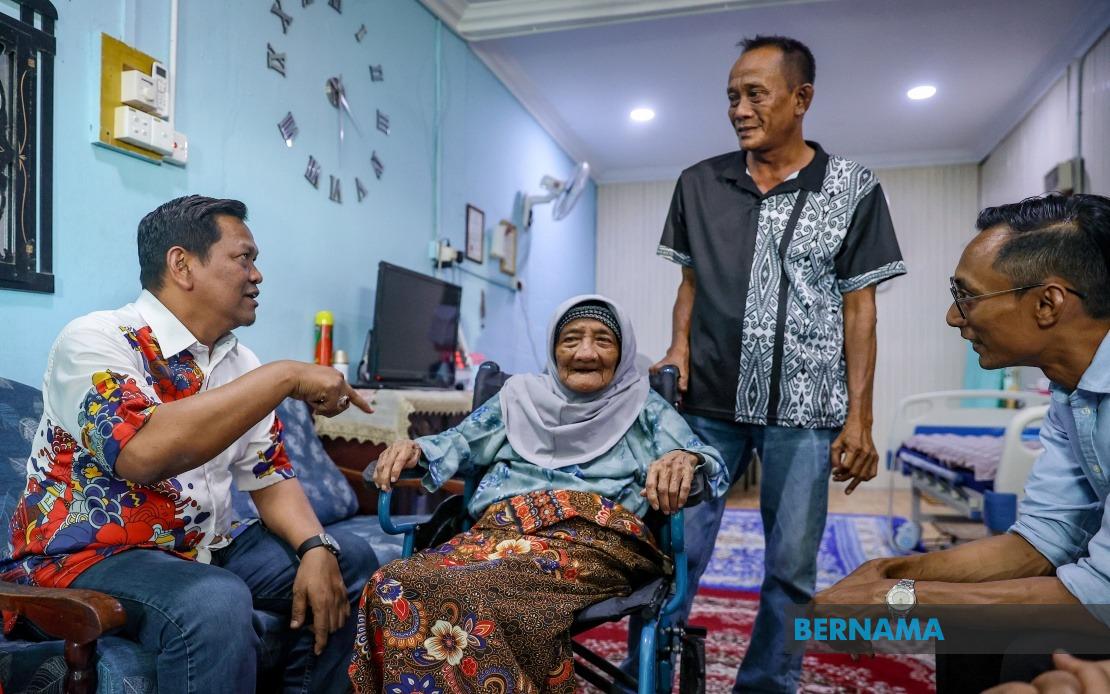
Malaysia's MADANI administration has reinforced its dedication to sustaining the Ziarah Kasih welfare initiative, a targeted programme designed to deliver immediate assistance to citizens facing severe economic and health difficulties. The government continues channelling resources through this direct engagement mechanism as a cornerstone of its Malaysia MADANI vision, which places citizen well-being at the forefront of policy priorities.
Abdullah Izhar Mohamed Yusof, political secretary to the Communications Minister, outlined the government's ongoing commitment during a community engagement event held in Mersing, Johor. He explained that beneficiaries are systematically identified through collaborative efforts between the Department of Information and Komuniti MADANI, ensuring that assistance reaches those most requiring support. This structured approach aims to address the multifaceted challenges confronting marginalised Malaysians, from economic hardship to healthcare access deficits.
The Ziarah Kasih programme operates as an instrument of social policy rather than mere charity, reflecting the administration's broader philosophy of maintaining meaningful dialogue with ordinary citizens. By institutionalising regular assistance visits coupled with practical provision of aid, the government seeks to demonstrate tangible responsiveness to grassroots concerns. The initiative has expanded beyond symbolic gestures to encompass healthcare equipment donations and direct financial transfers, addressing immediate material needs whilst building political goodwill within local communities.
During the Jiwa@Komuniti MADANI Sembang Santai World Cup Edition event in Endau, Abdullah Izhar visited elderly residents contending with serious health complications, personally presenting contributions and medical equipment. These visits serve dual purposes: they facilitate direct needs assessment whilst allowing government representatives to witness firsthand the circumstances of vulnerable Malaysians. Such encounters generate invaluable intelligence about emerging social problems whilst simultaneously providing beneficiaries with access to decision-makers.
Hamdan Abd Latif, a 71-year-old recipient, exemplifies the demographic targeted by Ziarah Kasih. Bedridden and requiring round-the-clock care from his wife Meriam Abd Wahab, Hamdan experienced catastrophic health decline following a workplace accident in 2011. A subsequent brain tumour diagnosis and surgical intervention, followed years later by a stroke triggered by a bathroom fall, transformed him from an economically independent individual into a dependent requiring substantial caregiving resources. The assistance provided by the programme offers meaningful relief to his spouse, who abandoned income-generating activities to maintain full-time nursing responsibilities.
Meriam's situation illuminates broader gender dimensions within Malaysia's informal care economy. Women disproportionately abandon employment to provide unpaid domestic care, creating household vulnerability when primary earners become unable to work. She previously supplemented family income through sewing but abandoned this occupation entirely to attend to her husband's needs. The government assistance programme partially compensates for this lost economic contribution, though falls substantially short of replacing foregone income. Such cases demonstrate why targeted aid, whilst important, requires complementary support mechanisms addressing caregiving labour and gender-based economic inequality.
Another beneficiary, Zainon Ibrahim, now 91 years old, has been supported by her son Jamaluddin Ismail, who resigned from employment approximately two years ago to provide fulltime care. Jamaluddin's sacrifice mirrors patterns observable across Malaysian households, where filial responsibility combines with inadequate institutional care infrastructure to impose substantial opportunity costs on working-age family members. His former supervisory position represented stable middle-class employment—abandoning it for caregiving represents a significant household income reduction. Jamaluddin indicated that sibling contributions provide partial financial support, yet government assistance remains critical for meeting daily expenses.
The Ziarah Kasih initiative addresses genuine policy gaps created by Malaysia's underdeveloped long-term care system and limited aged-care infrastructure. Unlike advanced welfare states offering comprehensive elderly support services, Malaysia relies heavily on family networks to provide care. When families lack sufficient resources, outcomes deteriorate sharply. Government assistance programmes function as emergency pressure valves, preventing absolute destitution whilst broader systemic reforms remain incomplete. This approach, whilst beneficial in immediate terms, ultimately represents a temporary response to structural deficiencies.
For Malaysian policymakers, the programme raises important questions about sustainable welfare architecture. Direct assistance programmes demonstrate government commitment and generate positive community relations, yet cannot substitute for comprehensive long-term care planning. Malaysia's rapidly ageing population—projected to reach 14 per cent of total population within the next decade—will intensify demands on both family caregivers and government resources. Ziarah Kasih succeeds as a targeted intervention for contemporary cases, but broader policy frameworks addressing elderly care, disability support, and caregiver protection will become increasingly urgent.
Regional context provides instructive comparisons. Neighbouring Singapore operates more integrated systems combining institutional care facilities with community support programmes, reducing reliance on family caregivers. Thailand and Indonesia struggle with similar gaps between formal and informal care provision. Malaysia's approach through Ziarah Kasih prioritises maintaining community engagement whilst acknowledging resource constraints. This reflects pragmatic recognition that comprehensive institutional alternatives require substantial capital investment and sustained policy commitment.
The MADANI government's regular implementation of Ziarah Kasih demonstrates political will to maintain social safety nets for vulnerable populations. Abdullah Izhar's emphasis on continued programme expansion suggests governmental confidence in this model's effectiveness for political engagement and social support simultaneously. The initiative's emphasis on systematic identification processes distinguishes it from ad-hoc charitable interventions, indicating growing sophistication in targeted welfare administration.
Looking forward, programme sustainability depends on maintaining adequate funding allocations amidst competing budgetary pressures. Economic headwinds affecting government revenues could threaten expansion plans. Additionally, as beneficiary numbers grow, the current approach's resource intensity may require more efficient delivery mechanisms. Digital platforms could potentially expand reach whilst reducing administrative costs, though implementation risks include technological access barriers for elderly and rural populations.
Ultimately, Ziarah Kasih represents important progress in formalising government responsibility for vulnerable citizens. The programme's consistent implementation and expansion demonstrate that the MADANI administration treats social welfare as integral to governance legitimacy. For Malaysians like Hamdan and Zainon facing severe health challenges and caregiving burdens, such assistance provides immediate relief from hardship. Broader policy questions about sustainable, comprehensive aged care and disability support remain unresolved, but current initiatives demonstrate movement toward more structured, accountable social protection systems.

