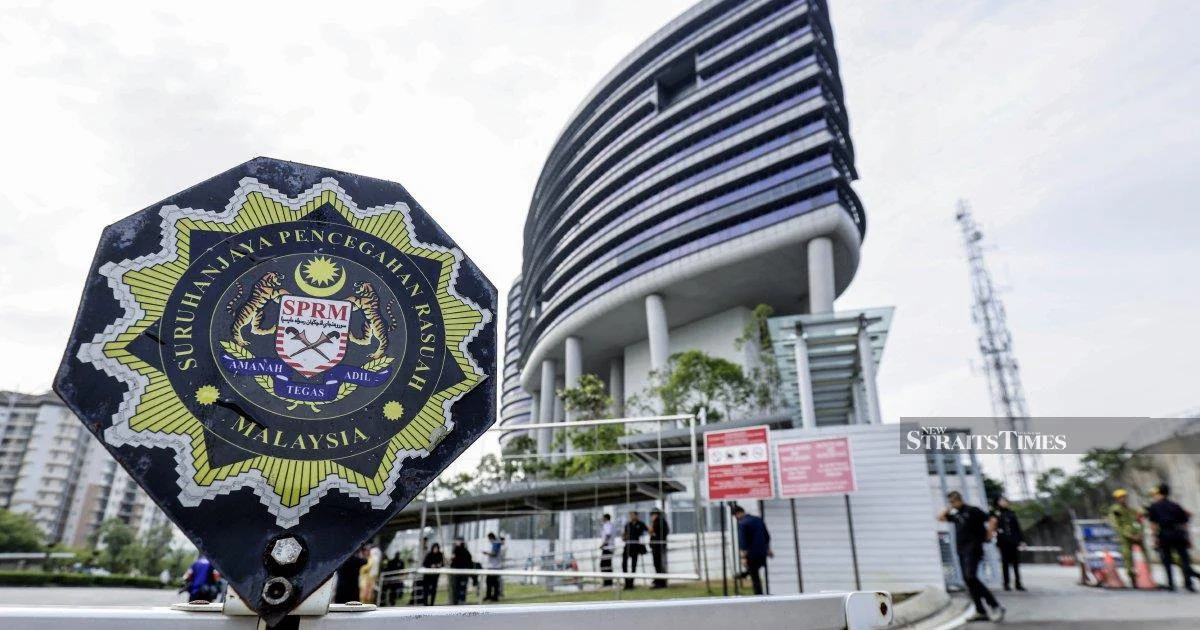
The Malaysian Anti-Corruption Commission (MACC) has moved to press charges against an individual connected to Operation Sutra, the anti-graft agency's major inquiry into the improper handling of public resources. The defendant faces 158 separate offences and is scheduled to appear before Shah Alam Sessions Court, marking a significant development in what appears to be a wide-ranging investigation into financial misconduct within the public sector.
Operation Sutra, as the probe has been designated, centres on allegations of systematic misappropriation of government funds. The sheer volume of charges—158 counts—suggests authorities have uncovered extensive irregularities rather than isolated incidents of financial impropriety. This pattern indicates a coordinated examination of funding flows and spending authorizations, typical of investigations into institutional corruption where multiple transactions across different periods and departments require separate charges under Malaysia's anti-corruption legislation.
The decision to file charges at the Shah Alam Sessions Court places the matter within federal jurisdiction, underscoring its significance and complexity. The location also suggests potential links to activities in the Selangor region or matters falling under federal oversight. For Malaysian observers, the venue choice often signals the perceived seriousness of the case and the anticipated length and intricacy of proceedings, with Sessions Court representing a substantial escalation from lower magistrate-level charges.
Financial misappropriation cases in Malaysia carry considerable implications for public confidence in governance institutions. When citizens learn that government money has been diverted or misused through fraud or embezzlement, it erodes trust in the machinery responsible for managing taxpayer resources. The Op Sutra investigation therefore serves dual purposes: holding individuals accountable for specific wrongdoing while reinforcing the principle that public funds are held in trust and subject to rigorous oversight.
The scale of charges reflects modern anti-corruption methodology that treats systematic malfeasance as composed of discrete, prosecutable offences. Rather than pursuing a single overarching charge, prosecutors typically disaggregate misconduct into individual transactions, allowing courts to assess culpability across each instance. This approach, while creating longer charge sheets, provides clarity regarding the extent of wrongdoing and allows for more nuanced sentencing considerations.
For Malaysia's regional standing, high-profile corruption prosecutions serve important signalling functions. They demonstrate commitment to accountability mechanisms and respect for rule of law—factors that influence international investor confidence and diplomatic relationships. Southeast Asian nations increasingly face scrutiny from global governance watchdogs, making visible enforcement actions particularly consequential for their reputational positioning in matters of transparency and institutional integrity.
The MACC's prosecutorial activity in 2024 reflects the commission's expanded mandate and enforcement capacity developed over recent years. The agency has pursued increasingly complex investigations involving digital finance trails, inter-agency coordination, and international dimensions of graft. The Op Sutra case exemplifies this evolution, requiring forensic examination of government accounting systems and possibly multiple agencies' records to construct the evidential foundation for 158 separate charges.
Pubic sector employees facing such charges often plead guilty to multiple counts in exchange for sentencing recommendations, though some defendants contest allegations vigorously. The outcome of this particular case will likely influence how future similar matters are prosecuted, potentially affecting charging practices across the MACC and related law enforcement bodies. Judicial interpretations of public sector financial crimes additionally shape Malaysia's evolving jurisprudence on corruption.
The timing of the prosecution notice comes as Malaysia continues addressing institutional reform recommendations from international governance assessment bodies. Transparency advocates have long pressed for strengthened anti-corruption enforcement, particularly regarding public fund safeguarding mechanisms. The Op Sutra charges represent concrete demonstration of investigative capability, though persistent concerns remain regarding prosecution success rates and the adequacy of penalties as deterrents.
Operation Sutra's scope—encompassing 158 distinct offences—suggests authorities identified corruption patterns spanning considerable time periods and multiple transactions. Such investigations typically require months or years of documentary analysis, witness interviews, and reconstruction of decision-making chains. The charges filed represent prosecutorial judgment that sufficient evidence exists to satisfy criminal standards of proof regarding each individual count.
The case will now enter the judicial phase, where evidentiary arguments, defence submissions, and ultimately guilty or not guilty verdicts will determine outcomes. Given the charge volume, proceedings may extend substantially, consuming court time and resources. The eventual verdict and sentencing, if conviction occurs, will substantially influence public discourse regarding consequences for financial crime within government institutions.
%22%2F%3E%3C%2Fpattern%3E%3C%2Fdefs%3E%3Crect%20width%3D%22100%25%22%20height%3D%22100%25%22%20fill%3D%22url(%23ph5xlmyg)%22%2F%3E%3Crect%20width%3D%22100%25%22%20height%3D%22100%25%22%20fill%3D%22url(%23ph5xlmyp)%22%2F%3E%3Ctext%20x%3D%2250%25%22%20y%3D%2250%25%22%20text-anchor%3D%22middle%22%20dominant-baseline%3D%22central%22%20fill%3D%22rgba(255%2C255%2C255%2C0.95)%22%20font-family%3D%22Georgia%2C%20'Times%20New%20Roman'%2C%20serif%22%20font-weight%3D%22700%22%20font-size%3D%22272%22%20letter-spacing%3D%22-0.02em%22%3EAnwar%3C%2Ftext%3E%3C%2Fsvg%3E)

%22%2F%3E%3C%2Fpattern%3E%3C%2Fdefs%3E%3Crect%20width%3D%22100%25%22%20height%3D%22100%25%22%20fill%3D%22url(%23phoa7ug)%22%2F%3E%3Crect%20width%3D%22100%25%22%20height%3D%22100%25%22%20fill%3D%22url(%23phoa7up)%22%2F%3E%3Ctext%20x%3D%2250%25%22%20y%3D%2250%25%22%20text-anchor%3D%22middle%22%20dominant-baseline%3D%22central%22%20fill%3D%22rgba(255%2C255%2C255%2C0.95)%22%20font-family%3D%22Georgia%2C%20'Times%20New%20Roman'%2C%20serif%22%20font-weight%3D%22700%22%20font-size%3D%22272%22%20letter-spacing%3D%22-0.02em%22%3EKuala%3C%2Ftext%3E%3C%2Fsvg%3E)