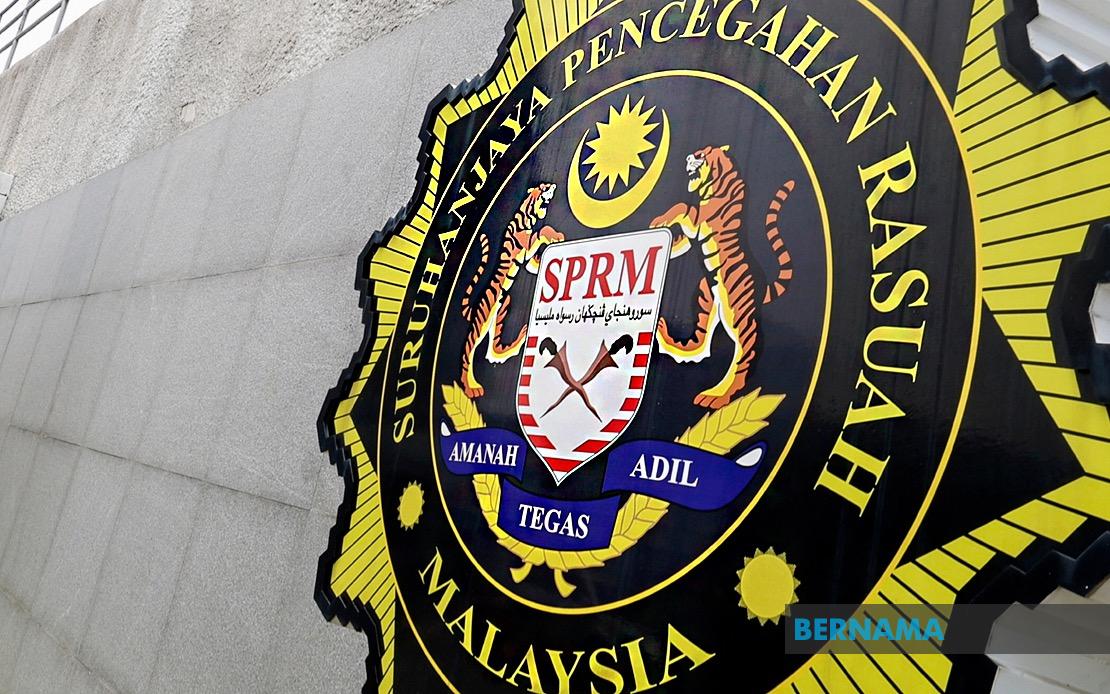
The Malaysian Anti-Corruption Commission has announced a comprehensive anti-corruption monitoring framework for the Johor state election, establishing five dedicated operations centres to handle public complaints during the campaign period. The initiative reflects heightened vigilance as the electoral process unfolds across the southern state, with facilities operating continuously from nomination day through to the ballot box closing on July 11.
These command centres, staffed and equipped to receive allegations of graft and misconduct, will function around the clock for a fortnight. The geographic distribution of the five locations—anchored by the main MACC office in Tampoi, with satellite centres in Batu Pahat, Kluang, Segamat, and Mersing—ensures accessibility across Johor's diverse districts and population centres. This network reflects the commission's commitment to meeting the public where they are, removing barriers to reporting impropriety during a politically sensitive period.
Beyond physical walk-in facilities, MACC has established a dedicated email channel at [email protected] to accommodate complainants who prefer digital submission. This multi-modal approach recognises that corruption allegations often involve sensitive information, and some members of the public may feel more comfortable reporting through anonymous or remote channels rather than face-to-face interaction. The email facility extends accessibility to individuals across different time zones and circumstances.
The commission has provided assurances that all incoming reports will undergo professional investigation conducted transparently and in strict compliance with Malaysia's legal framework. This pledge carries significance given longstanding public concerns about the effectiveness and political independence of anti-corruption enforcement in Malaysia. MACC's explicit commitment to transparent handling appears designed to rebuild confidence that complaints will be treated seriously rather than buried or weaponised for partisan advantage.
The scope of the operations encompasses both corruption offences and abuse of power—a broader remit that extends beyond simple financial misconduct to include administrative impropriety and violations of public trust. Such breadth matters considerably during elections, when disputes frequently centre on whether candidates or officials have exploited their positions, misused government resources, or improperly influenced outcomes through their access to state machinery and funds.
Candidates and political parties competing in the Johor election have been explicitly cautioned by MACC to refrain from unlawful activity, with particular emphasis on violations of the MACC Act 2009 and the Election Offences Act 1954 as amended in 2012. This public warning serves multiple purposes: it notifies all contestants of the commission's active monitoring, establishes a clear legal baseline for acceptable conduct, and signals to voters that electoral oversight mechanisms are operational. For Malaysian readers familiar with concerns about the integrity of previous electoral exercises, such transparency in the enforcement framework may offer reassurance.
The electoral timetable for Johor reflects standard Malaysian procedures. Nomination day on June 27 marks the formal commencement of the campaign period, with candidates and parties beginning their public outreach. The Election Commission has designated July 7 for early voting, accommodating voters with scheduling constraints or those unable to participate on the main polling day. The final vote on July 11 concludes the formal electoral process, after which the MACC operations rooms would presumably wind down unless investigations into alleged violations continue beyond that date.
For Southeast Asian observers tracking democratic governance and institutional independence in the region, Malaysia's election oversight framework offers a revealing case study. The establishment of visible anti-corruption mechanisms during elections demonstrates recognition that electoral integrity depends partly on preventing the abuse of power and resources to gain unfair advantage. However, the ultimate credibility of such measures rests on whether investigations lead to meaningful accountability or remain performative gestures.
The Johor election carries broader significance for Malaysian politics, as state elections serve as important barometers of electoral dynamics and voter sentiment between federal contests. The mobilisation of MACC resources reflects the seriousness with which authorities—and presumably the public—view the conduct of this particular exercise. Johor remains one of Malaysia's most politically consequential states, and maintaining confidence in its electoral process carries implications extending beyond the southern peninsula.
Public engagement with these complaint mechanisms will itself constitute important data about perceived corruption levels during the campaign. High volumes of reports might indicate either serious misconduct or heightened public vigilance; conversely, minimal complaints could suggest either exceptional conduct by candidates or public scepticism about whether reporting will yield results. Either way, the frequency and nature of allegations will provide insight into where Malaysians believe governance failures are occurring.
For candidates and parties, the operations rooms represent both opportunity and constraint. They can be weaponised through frivolous complaints against opponents, or they can serve as legitimate channels for addressing genuine misconduct. MACC's professional investigative obligation presumably extends to filtering out baseless allegations, though the quality of that filtering process will affect the framework's ultimate utility and fairness. Effective anti-corruption monitoring during elections requires distinguishing between genuine violations and politically motivated accusations masquerading as corruption reports.

