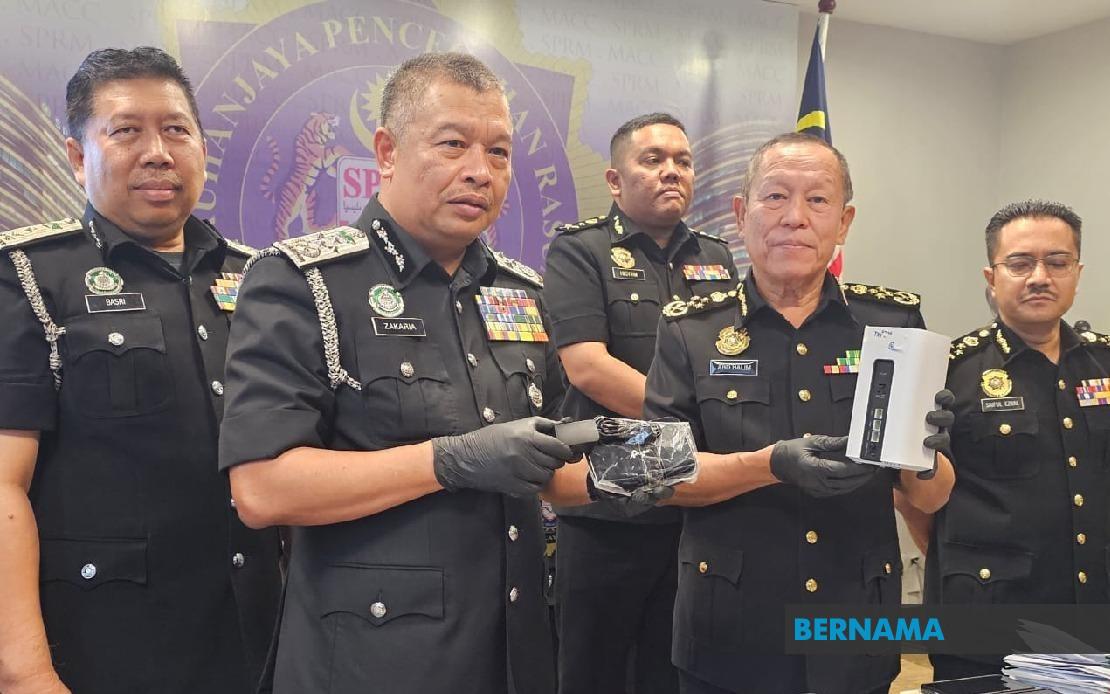
The Malaysian Anti-Corruption Commission (MACC) has shifted its scrutiny of Tabung Haji from preliminary review to active investigation, commencing formal enforcement action on the heels of the Royal Commission of Inquiry (RCI) report that exposed serious governance failures at Malaysia's pilgrimage savings fund. Eight MACC officers descended on the TH building to begin the evidence-gathering phase, marking the first tangible enforcement response to months of inquiry into how the organization managed assets on behalf of millions of Malaysian Muslims seeking to perform the Hajj pilgrimage.
The decision to activate the investigative machinery came directly from Prime Minister Datuk Seri Anwar Ibrahim's directive that law enforcement agencies translate the RCI's findings into concrete action. MACC chief commissioner Datuk Seri Abd Halim Aman confirmed the deployment at a press conference at MACC headquarters in Putrajaya, signalling the anti-corruption body's determination to move beyond the inquiry phase and pursue potential criminal violations identified in the damning report that had been made public earlier in the week.
The investigative team's immediate priorities centre on locating and securing documentation referenced in the RCI report, while simultaneously building a database of individuals identified as having involvement in questionable decisions or transactions. Abd Halim emphasized that the investigation transcends any arbitrary timeline, instead being comprehensively guided by the specific findings and recommendations articulated throughout the commission's extensive report. This approach suggests the MACC will follow evidentiary trails wherever they lead rather than confining scrutiny to a predetermined period, potentially expanding the scope of accountability well beyond initial expectations.
The questioning of current and former TH leadership appears inevitable, with Abd Halim declining to exclude any official from potential interrogation. The statement signifies that no figure at the organization—whether serving in its highest executive positions today or having held authority during the problematic years—enjoys immunity from the investigative process. This inclusive approach contrasts sharply with investigations that sometimes narrow focus to particular individuals or echelons, and reflects the systemic nature of governance failures the RCI identified across multiple decision-making layers.
The MACC had previously established a specialized review team led by Investigation Division senior director Datuk Mohd Hafaz Nazar tasked with evaluating the RCI report through the lens of existing anti-corruption statutes. That team will assess potential violations spanning corruption, embezzlement, document falsification, abuse of position, and money laundering offences under the MACC Act 2009 and the Anti-Money Laundering, Anti-Terrorism Financing and Proceeds of Unlawful Activities Act 2001. The jurisdictional framework is deliberately expansive, providing prosecutors with multiple statutory pathways to pursue accountability depending on evidence uncovered.
The RCI report itself uncovered a troubling pattern of decisions that precipitated severe deterioration in Tabung Haji's asset position. Among its central recommendations was the initiation of forensic accounting procedures to forensically examine the decision-making processes underlying critical investment choices that had proven catastrophic for the organization's financial health. The inquiry, which examined TH operations spanning 2014 to 2020, identified investments it characterized as problematic and warranting specialized accounting scrutiny that extends beyond conventional audit procedures.
Beyond investment decisions, the RCI investigation documented suspicious transaction patterns and systematic information concealment practices that suggested deliberate obscuring of facts from stakeholders and regulators. These findings carry particular gravity given Tabung Haji's status as a trust entity managing savings accumulated by working Muslims specifically earmarked for pilgrimage purposes, making transparency and fiduciary integrity non-negotiable institutional obligations. The discovery of intentional concealment transforms characterization from mere mismanagement into potential criminal conduct.
For Malaysian Muslims who constitute Tabung Haji's beneficiary population—numbering in the millions—this investigation represents an opportunity for accountability mechanisms to recover ground lost during the years when problematic decisions accumulated without apparent institutional checks. The breach of trust involved in concealing information from account holders who entrusted savings to the organization carries ethical weight that extends beyond mere financial loss. Many contributors saved for years to accumulate sufficient balances for Hajj performance, only to discover their accumulated resources had been substantially depleted through investments they were unaware of and decisions made without their knowledge.
The significance of this investigation transcends individual institutional failure and speaks to broader governance architecture across Malaysia's financial and religious institutions. Tabung Haji's prominence as a nationally administered fund managing religious obligations means its operational integrity carries implications for public confidence in how government-linked entities safeguard entrusted resources. The investigation sends a message that even institutions historically granted operational latitude due to their religious character remain subject to rigorous accountability standards.
The MACC's methodical approach—establishing a specialized team, deploying officers to secure physical documentation, compiling interrogation lists, and consulting statutory frameworks before concluding investigations—reflects procedural discipline aimed at ensuring eventual prosecutions withstand judicial scrutiny. Rushed investigations into complex financial arrangements frequently collapse during trial proceedings when defence counsel identify procedural irregularities or evidentiary gaps. The anti-corruption body's caution suggests recognition that cases involving institutional finance require meticulous preparation.
As the investigation unfolds, Malaysian observers will watch for signals regarding prosecutorial appetite and the scope of accountability the government intends to pursue. The appointment of Datuk Mohd Hafaz Nazar to lead the specialized team and the deployment of eight dedicated officers signal seriousness, yet investigation depth often determines whether cases ultimately reach prosecution stage. The coming months will reveal whether formal charges eventuate or whether the investigation concludes with administrative remedies and institutional reform recommendations without individual criminal accountability.

