The Malaysian Anti-Corruption Commission (MACC) has wrapped up its intensive interrogation of a former chief financial officer connected to Lembaga Tabung Haji, marking a significant milestone in its investigation into the statutory body's troubled financial decisions. The completion of the four-day questioning session signals progress in the probe, which stems from findings contained in the Royal Commission of Inquiry report examining governance failures at the Islamic pilgrimage fund manager.
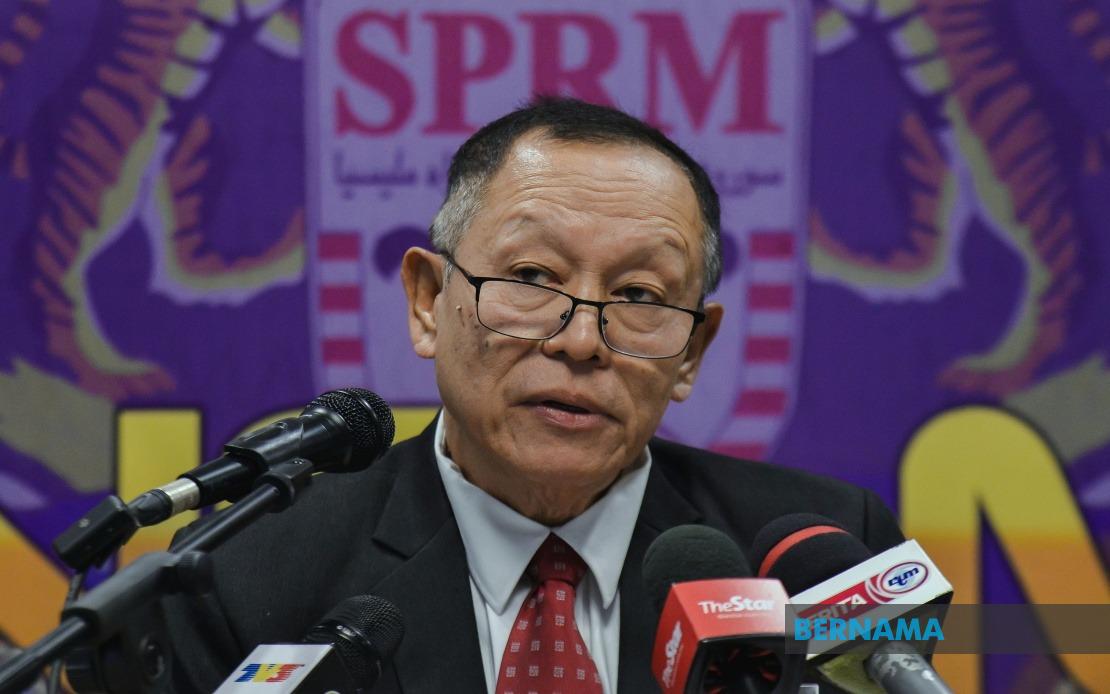
MACC chief commissioner Datuk Seri Abd Halim Aman confirmed that the statement-recording concluded after an extended session that ran from 9 am to 6.30 pm on the final day. The individual, a 60-year-old former financial executive, underwent questioning specifically regarding his involvement in and knowledge of the controversial acquisition of shares in two plantation companies valued at approximately RM370 million. This transaction has emerged as a focal point of the commission's corruption investigation.
The probe centres on allegations that decision-makers at Tabung Haji abused their authority when authorising the substantial investment in the plantation sector. Such an inquiry carries particular resonance in Malaysia, where concerns about governance at sovereign wealth funds and government-linked entities have intensified in recent years. The RM370 million expenditure represents a significant portion of the fund's resources, making accountability questions especially urgent given the institution's responsibility for managing savings belonging to millions of Muslim pilgrims.
The MACC's decision to detain both the former CFO and the company's former chief executive officer after their Tuesday arrival at headquarters underscores the seriousness with which investigators are treating the matter. The retention of these individuals for multiple days of questioning indicates that the commission likely had substantial documentary evidence and preliminary findings to work through during the interrogation process. Such extended sessions typically involve walking suspects through complex financial transactions, contemporaneous documentation, and decision-making rationales.
Tabung Haji's governance scandals have cast a long shadow over Malaysia's institutional credibility. The pilgrim fund, which holds deposits from millions of Muslims preparing for or having completed the hajj pilgrimage, represents both a religious obligation and a significant financial institution. When such bodies fall short of fiduciary standards, the damage extends beyond individual accountability to affect public confidence in how Malaysia manages collective assets and safeguards vulnerable depositors.
The Royal Commission of Inquiry that precipitated the current MACC investigation was itself a response to mounting concerns about Tabung Haji's investment decisions and overall management. The RCI's report findings, which highlighted the problematic plantation share purchase, provided the investigative roadmap for the anti-corruption commission. This sequential approach—inquiry first, then criminal investigation—reflects Malaysia's institutional response to uncovering corporate malfeasance within government-linked entities.
The four-day statement-recording exercise represents the culmination of preliminary investigative work by the MACC. During this period, investigators would have presented documentary evidence, sought clarifications on financial decisions, and explored the chain of authority that enabled the transaction. Such intensive questioning sessions often yield admissions, contradictions, or additional leads that shape the trajectory of subsequent investigations. The detailed nature of the interrogation suggests the MACC has assembled substantial paper trails connecting the individuals to the disputed transaction.
Looking ahead, the MACC's completion of this statement-recording phase typically precedes the prosecution phase. The commission must now evaluate whether sufficient evidence exists to recommend charges under the Malaysian Anti-Corruption Commission Act or related statutes. Given the scale of the transaction and the RCI's critical findings, observers anticipate that the investigation will likely result in formal charges against senior officials involved in authorising the plantation investment.
The timing of this investigation also reflects Malaysia's broader anti-corruption efforts in recent years. Successive governments have pledged to strengthen oversight of government-linked companies and to pursue high-profile cases involving abuse of authority. The Tabung Haji investigation aligns with these commitments and demonstrates the MACC's capacity to investigate complex corporate transactions involving substantial sums. However, questions remain about whether enforcement will extend to all decision-makers involved in approving the controversial share purchase or whether accountability will be selective.
For Malaysian investors and depositors in government-linked institutions, the progression of this investigation carries implications about institutional governance standards. The willingness of authorities to pursue allegations of abuse of power in major financial decisions signals that accountability mechanisms exist, though their effectiveness ultimately depends on investigation quality, prosecutorial follow-through, and judicial outcomes. The Tabung Haji case will likely influence investor confidence in similar entities going forward.
The MACC investigation also occurs within a regional context where governance at sovereign wealth funds and pilgrimage-related financial institutions faces increasing scrutiny. Other Southeast Asian nations managing similar funds monitor how Malaysia handles such cases, and successful prosecution would reinforce regional norms around corporate accountability. Conversely, any perception that investigations prove incomplete or selective could undermine confidence in Malaysia's anti-corruption mechanisms among regional and international observers.

