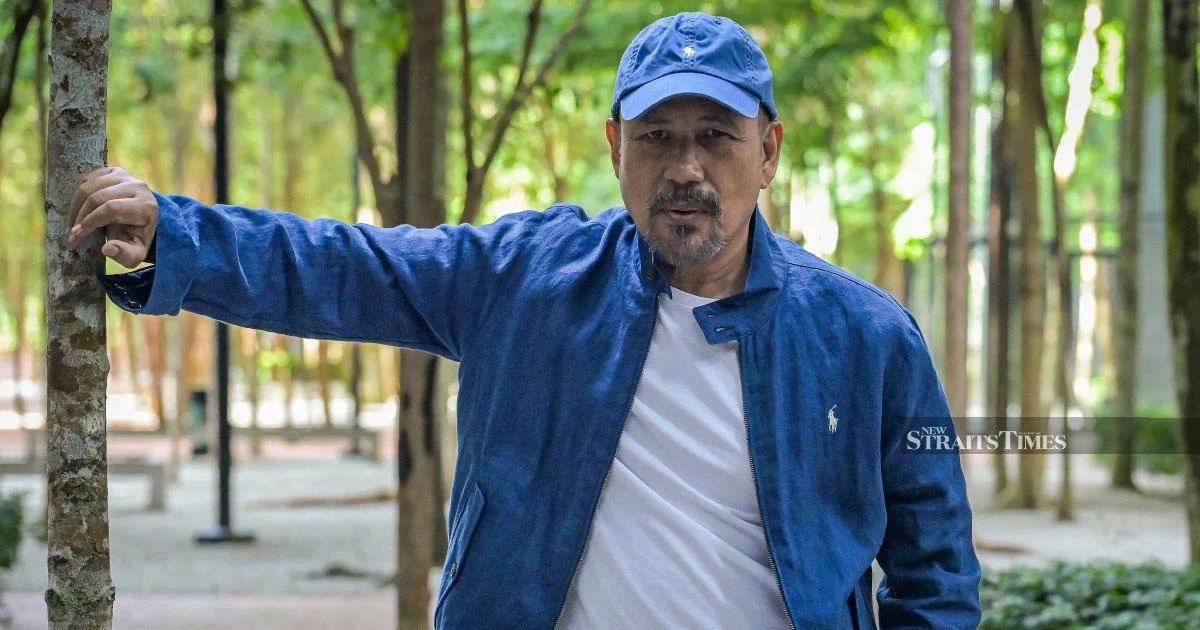
Legendary Malaysian musician Datuk M. Nasir has initiated legal action against MyTeksi Sdn Bhd, the operator of Grab Malaysia's services, demanding RM5 million in damages over claims that the company utilised his name without authorisation to promote a beverage product. The celebrated artist, who has dominated Malaysia's music scene for decades, has chosen to remain largely silent on the specifics of the dispute, though he did offer insight into his reasoning behind pursuing the matter through the courts.
The lawsuit represents a significant moment in Malaysian entertainment law, where questions of personal brand protection and commercial exploitation have become increasingly contentious. M. Nasir's decision to take legal action underscores the growing awareness among Malaysian celebrities and public figures regarding their intellectual property rights and the commercial value of their identities. In an era where brand partnerships and endorsements form a substantial portion of entertainment industry revenue, unauthorised use of a personality's name can represent considerable financial loss and reputational damage.
M. Nasir justified his legal pursuit by emphasising that defending one's name and personal reputation constitutes a fundamental moral obligation. This perspective reflects broader international principles of personality rights, whereby individuals retain exclusive authority over the commercial exploitation of their identity, image, and name. The musician's stance suggests that regardless of the financial settlement involved, he views the matter as one of principle—establishing a precedent that unauthorised commercial use of his name cannot proceed without consequence.
The dispute with MyTeksi highlights an emerging challenge in Malaysia's digital economy, where the rapid growth of ride-hailing platforms and associated business ventures has sometimes outpaced regulatory clarity regarding intellectual property protections. Grab Malaysia, which operates primarily as a transportation service, apparently ventured into beverage distribution through its MyTeksi subsidiary, creating an unexpected intersection between ride-hailing infrastructure and FMCG marketing. The alleged unauthorised endorsement suggests either a significant oversight in compliance procedures or a deliberate decision to leverage M. Nasir's prominence without contractual arrangement.
From a broader entertainment industry perspective, this case carries implications for how other Malaysian artists and public figures approach protection of their commercial interests. The lawsuit serves as a cautionary tale for companies operating in Malaysia's increasingly competitive marketplace—that leveraging celebrity names without proper agreements exposes organisations to substantial legal liability. This protection extends beyond simple brand association; it encompasses the exclusive right to determine which products, services, and companies one's name becomes associated with, thereby preserving artistic integrity and personal autonomy.
M. Nasir's decision to pursue the matter formally through courts rather than seeking private settlement demonstrates his commitment to establishing clear boundaries around his intellectual property. For established entertainers of his stature, such disputes can feel particularly egregious, as decades spent building credibility and artistic reputation create substantial intangible value that cannot be easily replicated or recovered once damaged. The beverage sector endorsement, in particular, raises questions about product quality, manufacturing standards, and consumer safety—all factors that could reflect negatively on M. Nasir's personal brand if associated without his knowledge or consent.
The RM5 million figure specified in the lawsuit likely reflects both direct commercial losses stemming from the unauthorised endorsement and compensation for reputational impact. Malaysian courts, when adjudicating personality rights cases, typically consider factors including the market value of similar endorsement agreements, the extent of the alleged infringement, and the defendant's commercial benefit derived from the unauthorised use. The quantum of damages sought suggests that the beverage marketing campaign was sufficiently prominent to generate measurable commercial advantage for MyTeksi, thereby justifying the substantial claim.
This matter also touches upon broader questions of corporate governance within ride-hailing and technology-enabled service platforms. As these companies diversify into ancillary business ventures—from food delivery to financial services to consumer products—the importance of robust legal and compliance frameworks becomes critical. Smaller subsidiaries or affiliated enterprises sometimes operate with less stringent oversight, potentially creating scenarios where legal violations occur at operational levels without senior management awareness or approval.
For Malaysian consumers and music enthusiasts, the lawsuit raises awareness about the importance of verified endorsements and authentic brand partnerships. In an age of social media and digital marketing, distinguishing between genuine artist endorsements and unauthorised appropriations becomes increasingly challenging for consumers. M. Nasir's legal action serves a protective function for the broader marketplace by establishing that celebrity names cannot be casually deployed in commercial campaigns without explicit permission and formal agreements.
The entertainer's measured public approach to the dispute—declining extensive commentary while asserting his rights—reflects mature handling of a sensitive commercial matter. Rather than engaging in public disputes or inflammatory statements, pursuing formal legal channels allows the facts and merits of the case to determine the outcome. This approach also demonstrates respect for the legal process while firmly protecting his interests, setting a professional standard for how established Malaysian personalities might address similar infractions.
Looking forward, the resolution of M. Nasir's lawsuit will likely influence how Malaysian companies, particularly those in the technology and ride-hailing sectors, approach celebrity partnerships and brand associations. Whether the matter concludes through settlement or court judgment, the underlying message remains clear: the names, images, and personal brands of Malaysian entertainers represent protected commercial assets that cannot be appropriated without agreement and compensation.