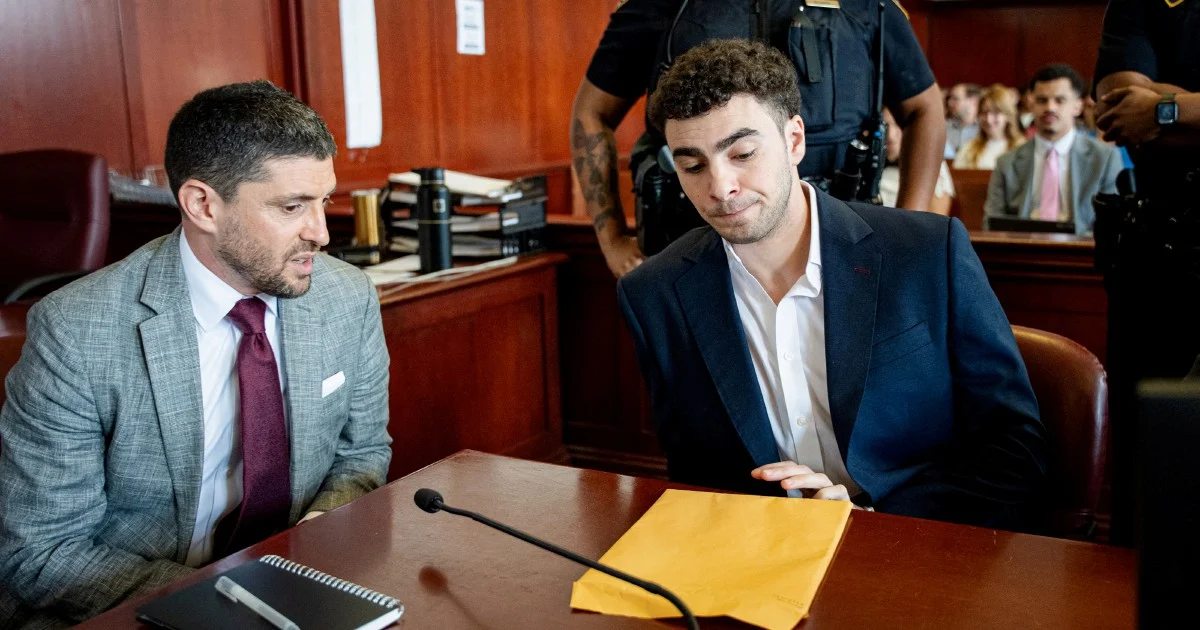
Luigi Mangione, the man accused of fatally shooting Brian Thompson, a prominent health insurance executive, on a Manhattan street, has decided to shelve his strategy of presenting evidence that he was experiencing severe psychological distress when the alleged crime occurred. This tactical shift emerged from court documents filed on Friday, signalling a change in approach by his legal team as the case advances through the New York judicial system.
The decision to temporarily set aside mental health defence mechanisms represents a notable development in a case that has gripped media attention since Thompson's December killing. Rather than building a narrative centred on Mangione's psychological state at the moment of the alleged shooting, his defence is recalibrating its strategy, though the move is described as temporary rather than permanent. This suggests his legal representatives may revisit the mental health angle later in proceedings or in sentencing phases if the case reaches trial and conviction.
Mental health defences in high-profile criminal cases typically attempt to establish diminished capacity or insanity at the time of the offence, arguing that a defendant's psychiatric condition prevented them from forming the necessary intent to commit a crime. By withdrawing this evidence presentation for now, Mangione's team is essentially removing a significant component from their immediate trial strategy, potentially to focus on other aspects of the defence or to avoid prejudicing the jury pool with mental health disclosures before their evidentiary strength can be fully assessed.
The timing of this withdrawal raises questions about what prompted the decision. Legal teams often make such tactical adjustments after expert psychiatric evaluations, reviewing prosecution evidence, or reassessing the strength of their position relative to the charges. In high-profile cases involving sympathetic defendants or those involving violence that shocked a community, defence attorneys must carefully weigh whether introducing mental health evidence helps or harms their client's case, particularly when juries may struggle to separate mental illness from culpability.
Mangione faces serious charges in connection with Thompson's death, which occurred in early December in Manhattan. The killing of the UnitedHealthcare executive drew significant public attention not only because of the brazen nature of the shooting but also because of broader societal debates surrounding healthcare practices and insurance industry conduct. These contextual factors may influence how a jury responds to various defence strategies, making the choice to temporarily defer mental health evidence strategically calculated.
The withdrawal does not necessarily indicate weakness in potential mental health evidence. Rather, it may reflect a defensive strategy that prioritises other avenues of argument or that delays introduction of such sensitive material to a later, more strategically advantageous phase of proceedings. Defence teams frequently file motions to exclude or delay certain evidence categories as part of complex litigation choreography, where the order and timing of information presented to the court can significantly affect outcomes.
For Malaysian observers following international criminal justice developments, this case illustrates how American courts handle high-profile accusations and the tactical complexities defence teams navigate. The United States legal system permits considerable flexibility in evidence presentation and defence strategies, with attorneys able to adjust approaches through court filings as cases develop. This contrasts with more rigid procedural systems in other jurisdictions, where defence strategies often require greater advance commitment.
The prosecution's case against Mangione will likely centre on evidence connecting him to the scene, witness testimony, and forensic material. The withdrawal of mental health defence planning may indicate that Mangione's legal team believes their position is stronger when focusing on challenging the prosecution's evidence rather than attempting to mitigate culpability through psychiatric explanation. This approach suggests confidence in other defensive angles or doubt about the persuasiveness of mental health evidence in this particular context.
As the case progresses toward trial, additional court filings will likely reveal further shifts in strategy from both prosecution and defence. The decision to temporarily abandon mental health defence frameworks does not preclude their eventual introduction, particularly if circumstances change or if new psychiatric evaluations yield different conclusions. Legal proceedings, especially in complex murder cases involving prominent victims, typically evolve through multiple strategic adjustments as both sides refine their positions based on emerging discovery and legal rulings.
The Mangione case remains one of the most closely watched criminal proceedings in New York, with implications extending beyond the immediate facts surrounding Thompson's death to broader questions about violence in response to institutional conduct and how mental health considerations intersect with criminal responsibility in the American justice system.

