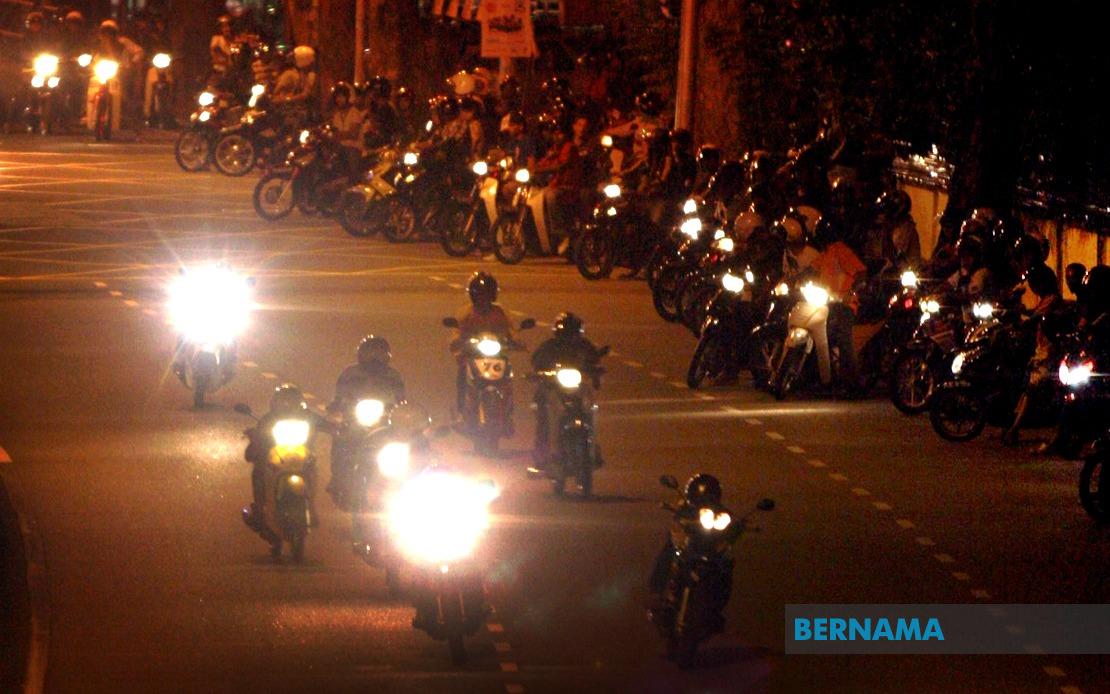
Malaysian lawmakers have intensified their push for tougher action against illegal street racing, proposing a raft of enforcement measures during parliamentary debate on the Road Transport (Amendment) Act 2026. The comprehensive proposals signal growing frustration with the persistence of dangerous racing activities across the country and reflect concerns that existing penalties have failed to deter offenders from engaging in this hazardous behaviour that threatens public safety.
During discussion of the legislative amendments in the Dewan Rakyat, Khairil Nizam Khirudin from Jerantut put forward a framework combining punitive and rehabilitative approaches. His proposal centred on establishing a structured rehabilitation programme that would incorporate disciplinary measures alongside community service obligations, fundamentally reshaping how authorities address offenders beyond simple financial or custodial sanctions. This dual-track strategy recognises that many illegal racers, particularly younger participants, require intervention focused on behavioural change rather than punishment alone. The lawmaker further recommended that the Ministry of Transport collaborate with the Ministry of Domestic Trade and Cost of Living to target the workshop infrastructure enabling illegal activities, suggesting regulatory amendments under Section 66 of the Road Transport Act 1987 to prosecute businesses engaged in unauthorised motorcycle modifications.
A particularly significant intervention came from Datuk Willie Mongin representing Puncak Borneo, who advocated for permanent revocation of driving licences as a mandatory consequence of illegal racing convictions. Accompanying this proposal with substantially elevated financial penalties of RM300,000 minimum and imprisonment terms of five years, Mongin framed the position as demonstrating genuine government commitment to enforcement. The emphasis on permanent licence revocation represents a departure from temporary suspension regimes, effectively removing offenders from the road indefinitely and eliminating the possibility of rehabilitation within the driving system itself.
Parliamentary attention extended beyond motorcycles to encompass the broader automotive landscape following the tragic Simpang Renggam incident in Johor on June 1, where high-performance vehicles were involved in fatal illegal racing. Wan Razali Wan Nor highlighted this tragedy to argue that existing legal provisions focusing narrowly on motorcycles fail to address the equally severe dangers posed by modified cars and luxury vehicles participating in organised street racing. His intervention underscores that illegal racing represents a multifaceted public safety challenge rather than a single-vehicle-class problem, requiring comprehensive legislative coverage of all vehicle types to ensure equitable and effective enforcement.
Addressing the supply side of illegal racing activity, Shaharizukirnain Abd Kadir proposed confiscation and destruction of heavily modified motorcycles as a deterrent mechanism. This approach targets the physical assets enabling criminal activity, removing from circulation the specialised vehicles that have been customised specifically for illegal racing purposes. The destruction route, while more severe than vehicle impoundment, aims to prevent redeployment or resale of seized vehicles back into the racing circuit, thereby disrupting the economic incentive structure that sustains the modification industry.
Parental accountability emerged as an unexpected dimension of the enforcement framework when Khairil Nizam suggested holding parents legally responsible for their children's participation in illegal racing. This proposal attempts to leverage familial obligations and social accountability structures to prevent youth involvement, recognising that many street racers are young individuals whose activities could theoretically be monitored or constrained through parental intervention. The suggestion reflects a broader philosophy that combating illegal racing requires activation of multiple social institutions beyond police and judicial mechanisms alone.
Simultaneously, parliamentarians raised complementary concerns regarding dangerous driving under the influence of alcohol and drugs, arguing that existing victim support mechanisms remain inadequate. Zahari Kechik from Jeli advocated for establishing formal compensation mechanisms covering hospitalisation costs and welfare support for individuals injured in accidents caused by impaired drivers. His proposal recognises that victims of such incidents frequently face substantial medical expenses and ongoing care costs while perpetrators may serve sentences without bearing proportionate financial responsibility for the harm inflicted. This reform would essentially transform the justice approach from retribution-focused to restitution-focused, requiring offenders to materially compensate victims for injuries sustained.
The broad parliamentary support demonstrated across government and opposition benches, with 24 MPs participating in the debate, reflects unusual consensus regarding the severity of illegal racing and related dangerous driving behaviours. This cross-party agreement suggests both public concern and political recognition that the issue transcends typical partisan dividing lines. The prevalence of fatalities and serious injuries resulting from illegal racing appears to have created sufficient urgency to overcome ordinary legislative friction.
For Malaysian society, these proposals represent a potential watershed in traffic safety enforcement philosophy. Rather than relying exclusively on traditional punitive measures, the suggested framework combines rehabilitation, asset seizure, licence revocation, parental accountability, and victim compensation. The emphasis on permanent driving licence revocation particularly signals a recognition that some offenders represent persistent public safety risks unsuitable for continued participation in road traffic systems. The extension of regulations beyond motorcycles to encompass all vehicle types addresses a genuine gap in current enforcement where luxury vehicles and high-performance cars have operated in legal ambiguity regarding street racing prohibitions.
The targeting of modification workshops through regulatory mechanisms rather than purely criminal prosecution reflects sophisticated understanding that supply-side enforcement may prove more efficient than prosecuting individual racers. Workshops generating income from illegal modifications face stronger economic incentives to continue their operations than individual racers, suggesting that regulatory pressure on businesses may achieve greater deterrent effect than incremental increases in individual penalties.
Regional implications extend across Southeast Asia, where illegal racing and related traffic safety concerns affect multiple countries with similar urban development patterns and automotive cultures. Malaysia's legislative approach, once finalised, may establish precedents or models that neighbouring jurisdictions examine when formulating their own responses to persistent street racing problems. The integration of rehabilitation with enforcement, victim compensation mechanisms, and asset destruction represents a comprehensive framework potentially applicable across the region.
The continued parliamentary sitting promised for subsequent days suggests additional proposals may emerge as debate progresses. The Road Transport (Amendment) Act 2026 appears poised to substantially reshape enforcement architecture surrounding illegal racing, with implications extending well beyond simple penalty adjustments to encompass preventive, rehabilitative, and restorative justice dimensions. Whether these proposals successfully translate into legislative language and subsequent enforcement remains contingent on government response and potential amendment refinements during the legislative process.

