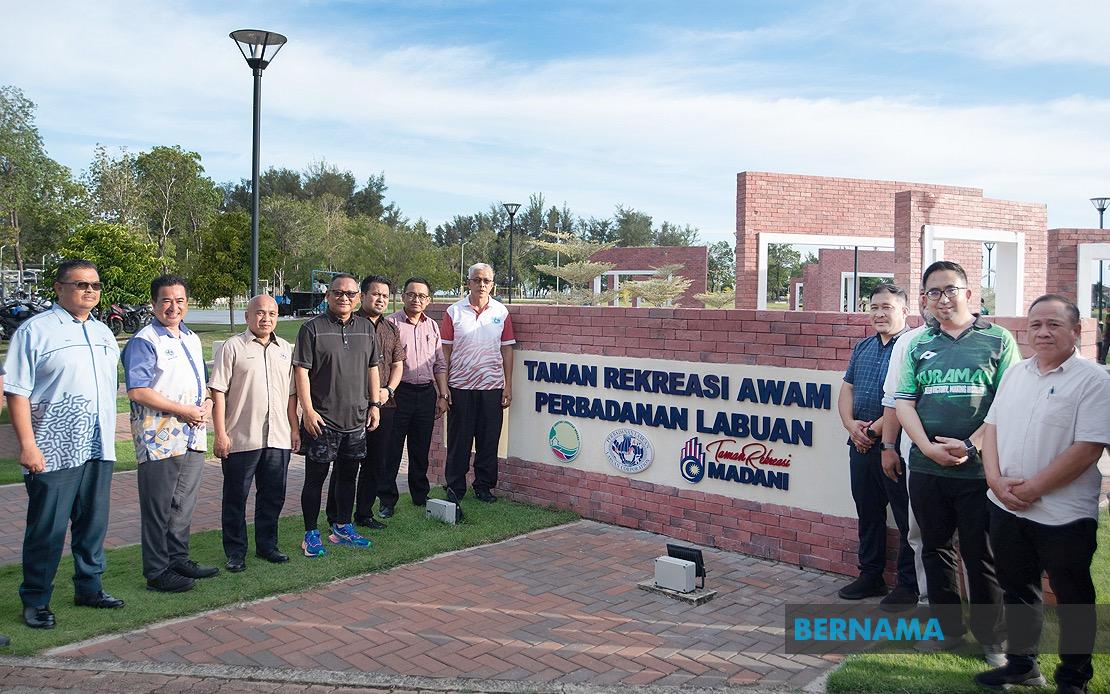
Labuan has taken a significant step towards fostering healthier, more active communities by officially opening its upgraded Public Recreation Park at Tanjung Purun in the town centre. The transformation, completed under the Madani Recreation Park initiative at a cost of RM495,382, signals renewed investment in the federal territory's public infrastructure and reflects a broader commitment to enhancing quality of life for residents.
According to Labuan Corporation chief executive officer Rithuan Ismail, the park represents far more than a simple recreational facility. Rather, it embodies a deliberate strategy to create inclusive public spaces where residents of all ages and backgrounds can engage in physical activity, find moments of respite, and strengthen the social bonds that hold communities together. The emphasis on accessibility and inclusivity reflects contemporary urban planning principles that recognise how well-designed public spaces can serve as social equalizers, offering free or low-cost wellness opportunities regardless of economic status.
The project's funding through the National Landscape Department under the Ministry of Housing and Local Government in 2024 demonstrates how federal initiatives can cascade benefits to states and federal territories. The funding mechanism represents an important channel for upgrading local infrastructure in areas that might otherwise lack resources for comprehensive recreational development. For Labuan, a relatively smaller federal territory competing for national attention alongside larger states, such targeted federal support becomes crucial for maintaining competitive living standards.
The decision to rehabilitate the former LDA Field, previously known as an underutilised downtown location, addressed multiple urban planning challenges simultaneously. The site's strategic positioning in the heart of town offered excellent accessibility, while its adequate land area and absence of ownership complications made it ideal for rapid development. These practical considerations often determine project success as much as funding availability, and the careful site selection demonstrates forward-thinking municipal planning.
Prior to renovation, the space exemplified how neglect can render even well-positioned assets unusable. Inadequate lighting, sparse recreational infrastructure, and aging casuarina trees that presented safety hazards had collectively discouraged public use despite the location's obvious potential. This pattern—where environmental and maintenance deficiencies create a downward spiral of underutilisation—is familiar to public administrators across the region. Breaking such cycles requires deliberate intervention, adequate ongoing funding, and community buy-in.
The upgraded facility now provides residents with practical amenities designed for regular use. An 800-metre jogging track offers accessible cardiovascular exercise for various fitness levels, while outdoor fitness gym equipment extends opportunities beyond simple walking or running. Welcoming garden landscaping and concrete seating create inviting spaces for passive recreation, family gatherings, and social interaction. These elements work together to address different community needs, from dedicated fitness enthusiasts to families seeking outdoor gathering spaces.
The park's emerging popularity during evening hours reflects a crucial insight about public recreation in tropical climates. As temperatures moderate after sunset, outdoor spaces become naturally more attractive, and the enhanced lighting and facilities now make evening visits both safe and enjoyable. This temporal dimension of park usage is often overlooked in planning but significantly influences actual community engagement. For Labuan residents, an accessible evening recreation option addresses practical constraints on daytime outdoor activity during the region's intense heat.
Planned expansions underscore the project's developmental trajectory. Three open courts designed for pickleball and sepak takraw, expected for completion by year's end, will introduce organised sport opportunities and diversify the park's appeal. Sepak takraw, a traditional Southeast Asian sport, carries particular cultural significance, and its inclusion signals respect for local heritage alongside contemporary fitness trends. The addition of these facilities will likely attract younger demographics and organised community groups, expanding the park's social function.
The maintenance challenge that Rithuan Ismail highlighted deserves particular emphasis, particularly for Malaysian municipalities. Public facilities deteriorate rapidly under tropical conditions combined with heavy use, and user neglect accelerates degradation. Success requires not just initial capital investment but sustained operational funding, regular maintenance schedules, and community stewardship. The appeal to residents to preserve facilities represents acknowledgment that government investment alone cannot sustain public assets without broader community participation and responsibility.
For Southeast Asian observers, Labuan's experience offers insights into efficient public space transformation. The relatively modest investment of RM495,382 achieved meaningful community infrastructure upgrade, suggesting that strategic design and careful site selection can maximise impact of limited resources. This model may hold lessons for other small or mid-sized municipalities across the region facing similar constraints in public space development.
The park's opening also reflects evolving priorities within Malaysian urban governance toward preventive health infrastructure. Rather than addressing obesity, sedentary lifestyle-related diseases, and mental health challenges exclusively through clinical interventions, investments in accessible recreational infrastructure represent upstream prevention. Such investments align with Malaysia's broader health policy evolution and regional trends toward non-communicable disease prevention.
Beyond immediate recreational benefits, the park addresses economic considerations. Improved public amenities enhance property values in surrounding areas, potentially generating increased tax revenues and stimulating local economic activity. Residents and workers in the Tanjung Purun area now enjoy tangible quality-of-life improvements that may influence retention of skilled workers and attraction of new residents and businesses—considerations increasingly important for federal territories competing in Malaysia's decentralised economy.
Labuan's investment in its Public Recreation Park ultimately represents a broader statement about community priorities and governance philosophy. By transforming neglected space into vibrant public infrastructure, the territory signals commitment to residents' wellbeing and demonstrates that even modest federal territories can deliver meaningful improvements to everyday life. As the facility matures and planned expansions materialise, its success or challenges will offer valuable lessons for similar initiatives across Malaysia and Southeast Asia.

